







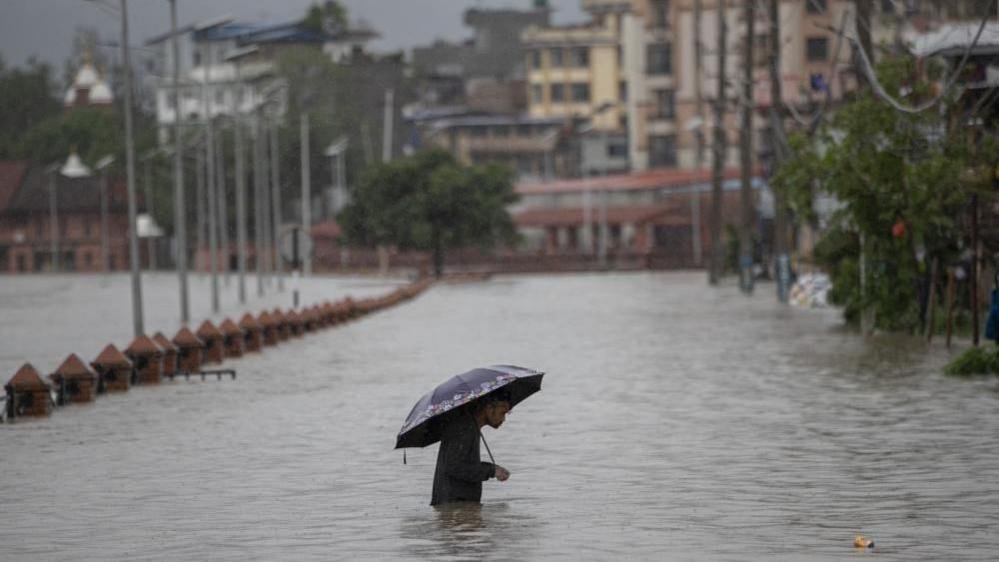


In a devastating turn of events, torrential monsoon rains have triggered widespread flooding across Bangladesh, resulting in the deaths of at least 40 people and displacing tens of thousands more. The relentless downpours, which began in the northeastern and southeastern regions, have submerged entire communities, destroyed homes, collapsed embankments, and overwhelmed critical infrastructure. As emergency response teams scramble to provide relief, the disaster has once again laid bare the country’s vulnerability to climate-induced calamities.
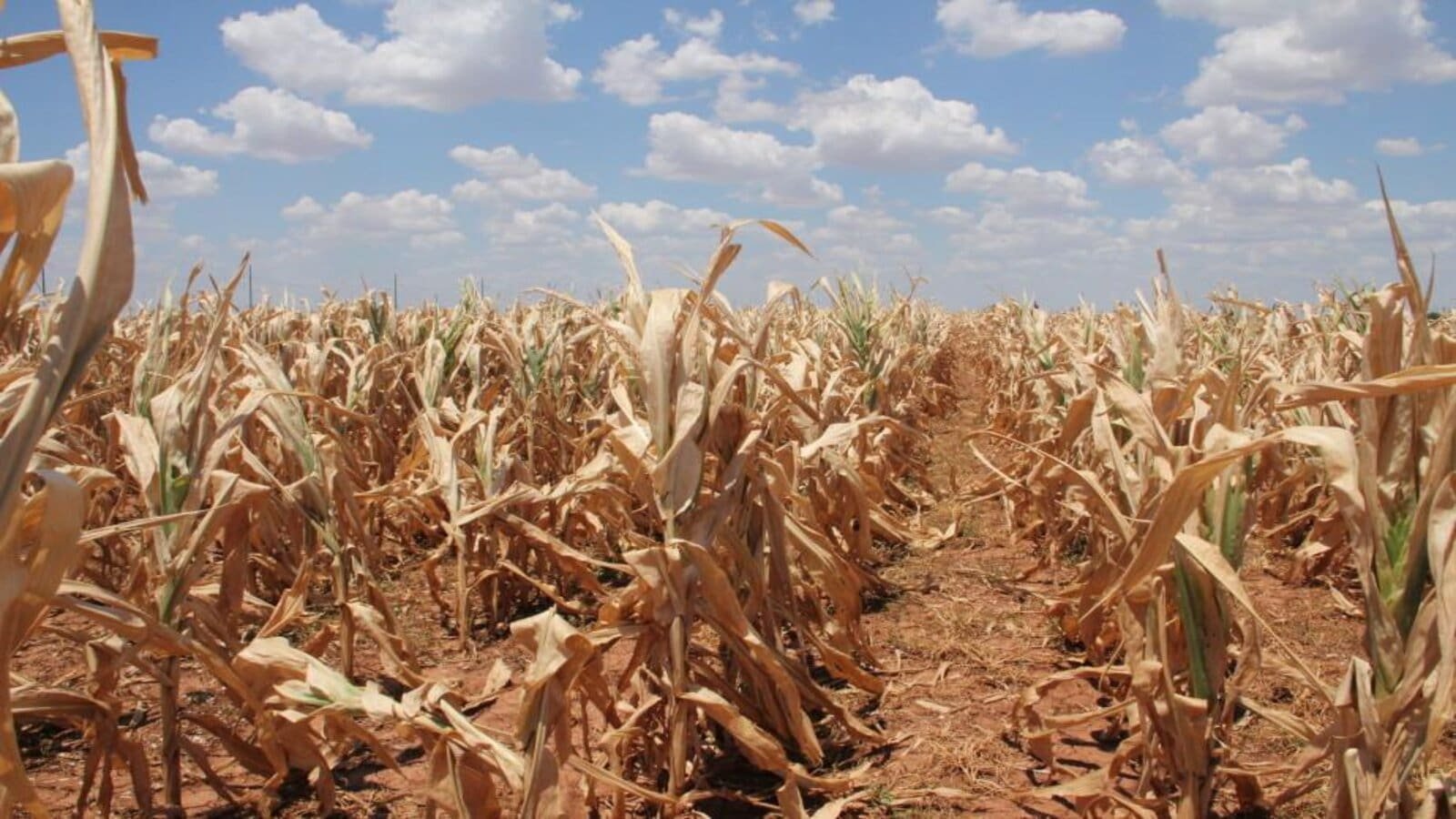

The Deluge Begins: Days of Relentless Rain
The latest spell of monsoon rains started in earnest just over a week ago, intensifying rapidly and showing little sign of respite. Satellite imagery revealed dense, moisture-laden clouds hovering persistently over parts of Sylhet, Sunamganj, and Chattogram divisions. Within a span of 72 hours, some areas recorded over 400 millimeters of rainfall — more than double the seasonal average.
Rivers including the Surma, Kushiyara, and Meghna quickly swelled beyond danger levels. Embankments in low-lying areas gave way, causing water to inundate villages, farmlands, and roads. In the worst-affected districts of Sylhet and Sunamganj, entire neighborhoods were submerged under chest-deep water, with thousands of homes either partially damaged or completely washed away.
Human Toll: Death and Displacement
As of the latest government update, at least 40 people have lost their lives, with fatalities resulting from drowning, electrocution, landslides, and waterborne diseases. Among the dead are women, children, and the elderly — those most vulnerable and least able to flee in time.

Health officials report that hundreds more have been injured or fallen ill due to exposure to contaminated water and unsanitary living conditions in makeshift shelters. Diseases such as cholera, diarrhea, and skin infections are beginning to emerge, prompting urgent calls for medical intervention.
More than 150,000 people have been displaced from their homes, forced to take refuge in temporary camps, school buildings, and raised embankments. Many fled with nothing but the clothes on their backs, losing all possessions, food supplies, and livestock.
“My house is gone,” said Rehana Begum, a 34-year-old mother of three from Sunamganj. “The water came in the middle of the night. We had no warning. I grabbed my children and ran. Everything else is under water.”
Infrastructure and Agricultural Devastation
The floods have wreaked havoc on the country’s already strained infrastructure. Hundreds of kilometers of roads have been washed away or rendered impassable, cutting off access to remote communities and hampering relief efforts. Bridges have collapsed, power lines have fallen, and rail networks have been suspended in several districts.
Key transportation arteries connecting northeastern Bangladesh to the rest of the country have been submerged, forcing authorities to deploy boats and helicopters for rescue and supply delivery.
Bangladesh’s agriculture sector has also suffered a devastating blow. Fields of paddy, jute, and vegetables — many approaching harvest — are now under water, threatening food security and the livelihoods of thousands of farming families. Fisheries and poultry farms have been destroyed, compounding economic losses.
According to preliminary assessments by the Ministry of Agriculture, over 300,000 hectares of cropland have been affected, with damages estimated in the hundreds of millions of dollars.
Government and International Response
In response to the crisis, the Bangladeshi government has declared a state of emergency in the hardest-hit districts. Relief and rescue operations have been launched, coordinated by the Ministry of Disaster Management and Relief, the army, and local NGOs.
Thousands of emergency personnel have been deployed to assist stranded residents, distribute food and water, and provide medical care. Mobile health clinics have been established in flood shelters, while disaster response boats patrol submerged neighborhoods searching for survivors.
“We are doing everything we can, but the scale of the disaster is overwhelming,” said Md. Enamur Rahman, State Minister for Disaster Management. “We are appealing to international partners for support.”
In response, international aid organizations including the Red Crescent, UNICEF, and World Food Programme have mobilized to assist with relief efforts. Emergency supplies such as rice, lentils, clean water, tarpaulins, and hygiene kits are being distributed. Helicopters are being used to airlift aid to isolated areas.
Despite these efforts, many victims say the help is too slow to arrive. “We’ve been here three days with no food, no water,” said Mohammad Hossain, sheltering with his family in a school turned refugee camp. “Nobody has come.”
Environmental and Climate Dimensions
Bangladesh is no stranger to flooding. Situated on the world’s largest river delta and crisscrossed by more than 700 rivers, the country faces annual monsoon flooding. However, scientists warn that climate change is intensifying these events — making them more unpredictable and more destructive.
Rising sea levels, erratic rainfall patterns, and glacier melt from the Himalayas are contributing to higher river volumes and flood risk. Experts say this year’s floods are among the most severe since 2004, due in part to back-to-back climate anomalies and a weakened monsoon system that dumped excessive rainfall in concentrated bursts.
“The frequency and intensity of extreme weather events in South Asia are increasing due to global warming,” said Dr. Amina Rahman, a climate researcher at Dhaka University. “We are witnessing the real-time effects of climate change, and vulnerable countries like Bangladesh are on the front lines.”
Stories of Resilience and Community Support
Amid the devastation, scenes of courage and compassion have emerged. Local communities are organizing their own rescue missions, using fishing boats, bamboo rafts, and even doors turned into makeshift floatation devices to save neighbors.
Mosques and temples have opened their doors as shelter for displaced families. Youth volunteers are distributing food packages, helping elderly evacuees, and organizing community kitchens.
In one remarkable incident, a group of teenagers in Sylhet’s Kanaighat Upazila carried a pregnant woman through waist-deep water on a stretcher for over two kilometers to reach a clinic. “We couldn’t let her give birth in a flooded house,” said one of the rescuers. The woman delivered a healthy baby girl later that night.
Social media has also played a crucial role, with citizens sharing real-time updates, coordinating donations, and locating missing persons through Facebook groups and WhatsApp communities.
Economic Consequences and Recovery Outlook
The economic toll of the floods is expected to be severe and long-lasting. Apart from the direct damage to homes, roads, and farmland, the disaster has disrupted education, trade, and daily life for millions.
Schools in at least 12 districts remain closed, with classrooms either flooded or repurposed as shelters. Thousands of children face interruptions in their education, compounded by the loss of school supplies and digital devices.
The flood has also interrupted small business operations, especially in rural areas where commerce depends heavily on transportation and agricultural output. Many shopkeepers have lost inventory, and supply chains remain severed.
Economists estimate that the total economic damage could exceed $1.2 billion, a staggering figure for a developing country like Bangladesh. Recovery will depend heavily on both government support and international aid.
Calls for Long-Term Solutions
In the wake of the disaster, voices from civil society, academia, and the humanitarian sector are urging for systemic and sustainable flood management solutions.
Bangladesh has made strides in building flood defenses, including embankments, dams, and early warning systems. However, experts argue that current infrastructure is insufficient in the face of climate-driven extremes.
“There needs to be a holistic approach,” said Prof. Anwar Kabir, a water management specialist. “We need smarter urban planning, better drainage systems, reforestation, and strong international cooperation on climate finance.”
Investments in resilient housing, floating farms, and community-based disaster preparedness are also being advocated. In addition, international donors are being called upon to expand support for Bangladesh’s climate adaptation programs.
The Global Picture
The floods in Bangladesh are part of a troubling global pattern of extreme weather events. In the same month, record heatwaves scorched parts of Europe and North America, while typhoons battered East Asia. Climate scientists warn that such disasters will become increasingly frequent unless global carbon emissions are drastically reduced.
Bangladesh, despite contributing less than 0.5% of global emissions, is among the most climate-vulnerable countries in the world. Its struggle highlights the disproportionate burden borne by developing nations in the climate crisis.
Conclusion: A Nation Under Water, A World at a Crossroads
The floods ravaging Bangladesh are not merely natural disasters — they are human tragedies set against the backdrop of a rapidly changing planet. The images of submerged villages, grieving families, and desperate survivors are reminders of the urgent need for global action.
For Bangladesh, the road ahead is daunting. The country must rebuild homes, restore livelihoods, and prepare for the next wave of climate shocks. But it must not walk this path alone. The international community has a moral and strategic imperative to stand with Bangladesh — not just with emergency relief, but with long-term solutions that address the root causes of such disasters.
As the waters slowly begin to recede, one thing remains clear: the future of Bangladesh — and the world — depends on the choices we make today.








