









Australia’s mining and energy sector is expected to face a steady decline in export earnings over the next two years, according to the latest government assessment. A combination of global trade uncertainties, decreasing bulk commodity prices, and a sluggish international economy is placing mounting pressure on the country’s resource-based revenues. These findings were detailed in the June-quarter report by the Department of Industry, Science and Resources, highlighting the fragile state of international trade and the vulnerability of Australia’s export-dependent economy.


I. Global Instability Casts a Shadow Over Trade
1. Trade Barriers and Investment Hesitancy
The global business environment has become increasingly volatile, largely due to unpredictable trade policies from major economies like the United States. The report points specifically to the ripple effects of policy changes under U.S. President Donald Trump, which have led companies around the world to pause or reduce their investment plans. This hesitation is weakening economic activity and, in turn, slowing global demand for resources.

2. Impact on Commodity Demand
The uncertainties surrounding global trade are not just delaying decisions—they are actively reducing commodity consumption. Countries that rely on Australia for key raw materials are scaling back orders in response to market turbulence. This shift is expected to weigh heavily on Australia’s mining and energy exports in the near future, leading the report to conclude that the international outlook is “more uncertain than normal.”
II. Earnings Forecasts for Key Commodities
1. Overall Revenue Trajectory
Australia’s total commodity export earnings for the financial year ending June 2025 are projected to drop to A$385 billion (about $252 billion USD), down from A$415 billion in 2023-24. This downward trend is forecast to continue, with revenues declining to A$369 billion in 2025-26 and further to A$352 billion by 2026-27.

2. Iron Ore Faces Declining Prices
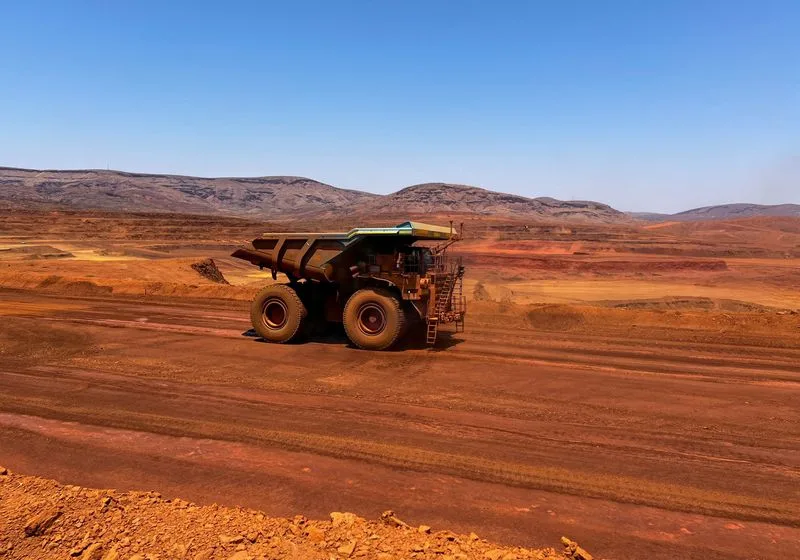
Iron ore, Australia’s top export, is expected to see a fall in export earnings due to increased global supply and subdued demand. The report estimates that revenue from iron ore will decline from A$116 billion in the current year to A$105 billion next year and slide further to A$97 billion by 2026-27.
3. LNG Outlook Dampened by Supply Growth
Liquefied natural gas (LNG), another significant export, is also expected to come under pricing pressure as international supply rises. This will contribute to the overall dip in resource export earnings, despite consistent volume output.
III. Bright Spots in Gold and Battery Metals
1. Gold Emerges as a Strong Performer
In contrast to the weakening performance of iron ore and LNG, gold is expected to see notable growth. The report forecasts that gold will become Australia’s third-largest export in the coming year, with earnings set to reach A$56 billion. Both production volumes and prices are projected to rise, providing a welcome boost to the nation’s mining sector.
2. Lithium Set for Gradual Recovery
Although lithium prices have recently taken a hit, the report offers an optimistic long-term outlook. Revenues from lithium exports are predicted to climb from A$4.6 billion in 2024-25 to over A$5.5 billion in 2025-26, and to exceed A$6.6 billion by 2026-27. This rebound is driven by sustained global demand for battery materials, particularly for use in electric vehicles and renewable energy storage systems.
3. Copper Adds to the Upside
Alongside gold and lithium, copper is expected to deliver moderate growth in export earnings. Although detailed figures were not included, the report mentions rising copper prices as a supporting factor in softening the blow from falling revenues in other sectors.
Conclusion
Australia’s resource sector stands at a crossroads. While traditional export powerhouses like iron ore and LNG face declining revenues amid a weak global economy and increasing trade unpredictability, emerging opportunities in gold, copper, and lithium provide a degree of resilience. According to Resources Minister Madeleine King, the gains in battery metals and precious resources are helping to counterbalance the broader downturn. However, the report’s overall tone remains cautious, emphasizing that future trade dynamics—and Australia’s export earnings—will heavily depend on how international economic and political developments unfold in the coming years.








