








In a significant development aimed at ending the protracted violence in Gaza, former U.S. President Donald Trump has claimed that Israel is prepared to agree to the conditions required for a 60-day ceasefire with Hamas. The conflict, which has left nearly 60,000 people dead, could be entering a critical turning point if negotiations are successful.

I. Trump Announces Ceasefire Intentions
1. Social Media Statement
Trump made his announcement via a post on his Truth Social platform, stating that Israel had consented to the conditions necessary to implement a 60-day ceasefire. He emphasized that this window would be used to pursue a broader peace agreement. He also noted that Qatar and Egypt were responsible for presenting the final offer to Hamas.
2. Lack of Official Confirmation
As of now, there has been no formal confirmation from either Israel or Hamas regarding Trump’s claim. Previous assertions by Trump suggesting an imminent ceasefire have unraveled quickly amid mutual accusations of violating prior prisoner exchange agreements.
II. Background and Diplomatic Maneuvers
1. Ongoing Negotiations
Negotiations have been ongoing for several months, with a proposal led by U.S. envoy Steve Witkoff closely mirroring earlier Israeli frameworks. The renewed push follows Trump’s mediation in a ceasefire between Israel and Iran, further adding to the diplomatic momentum.
2. Regional Support
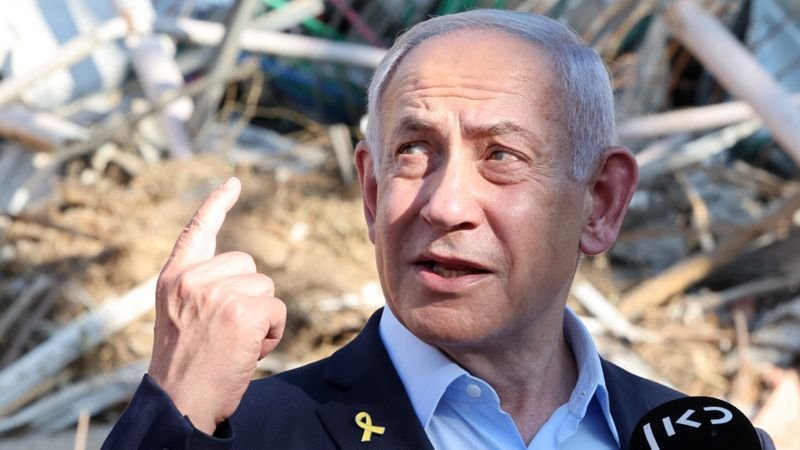
Trump expressed confidence in Qatar and Egypt, praising their role in the peace process and urging Hamas to accept the deal, warning that better terms would not be forthcoming. The statement came ahead of Trump’s expected meeting with Israeli Prime Minister Benjamin Netanyahu at the White House.
III. Mixed Reactions from Stakeholders
1. Israel’s Hesitant Response
Israeli officials have responded cautiously, highlighting unresolved issues and confirming that no official delegations have been dispatched to Cairo or Qatar for further talks. However, Israeli media such as Yedioth Ahronoth reported that both sides appear more willing to engage, citing decreasing gaps in negotiations.
2. Hamas Downplays Progress
On the other hand, Hamas has expressed skepticism. Senior official Taher al-Nunu stated there has been no substantial breakthrough thus far, despite reports suggesting the group has made concessions.
IV. Political Context and Pressures
1. Netanyahu’s Political Calculus
Netanyahu, whose approval ratings improved after Israeli strikes on Iranian nuclear facilities, may now consider a deal that risks alienating his right-wing coalition allies. Military officials believe many objectives from earlier in the campaign have been met, and public opinion appears to support a ceasefire that ensures the return of 50 hostages still held by Hamas.
2. U.S. Diplomatic Leverage
Trump, while visiting Florida, reiterated his commitment to pressuring Netanyahu to expedite the ceasefire, emphasizing the urgency of securing the hostages’ release. His administration appears to be leveraging recent regional developments to build momentum for a Gaza truce.
V. Humanitarian Crisis in Gaza
1. Al-Baqa Cafe Strike
The ceasefire discussions come on the heels of a deadly Israeli airstrike on Gaza’s al-Baqa cafe, where reports confirmed the deaths of 24 to 36 Palestinians, including several children. This incident has further highlighted the dire need for a resolution.
2. Ongoing Destruction and Casualties
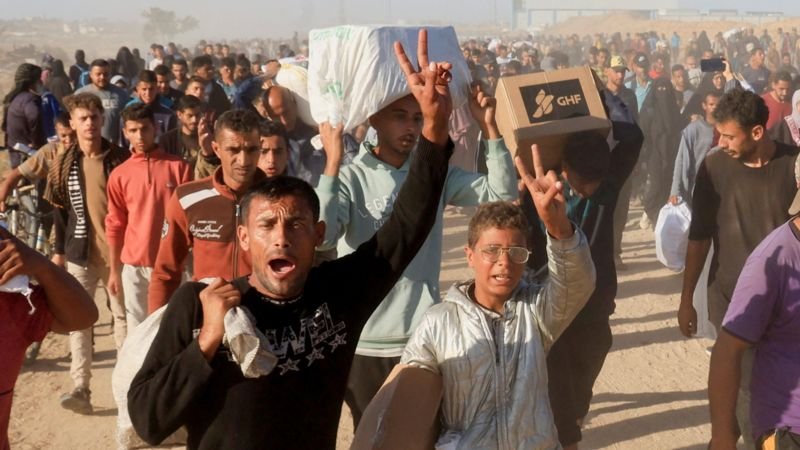
Since the war began on October 7, 2023, when Hamas launched a surprise attack on southern Israel killing 1,200 people and abducting 251 hostages, Israel’s retaliatory operations have killed over 56,500 Palestinians. Most of the casualties have been civilians. The campaign has displaced nearly all of Gaza’s 2.3 million residents and left large parts of the territory in ruins.
Conclusion
Trump’s recent announcement signals a possible opening for a temporary halt to the violence in Gaza. While skepticism remains on all sides, the convergence of diplomatic, political, and humanitarian pressures could pave the way for a meaningful breakthrough. The coming days will be crucial in determining whether this proposed ceasefire becomes a reality or joins the list of failed negotiations.