







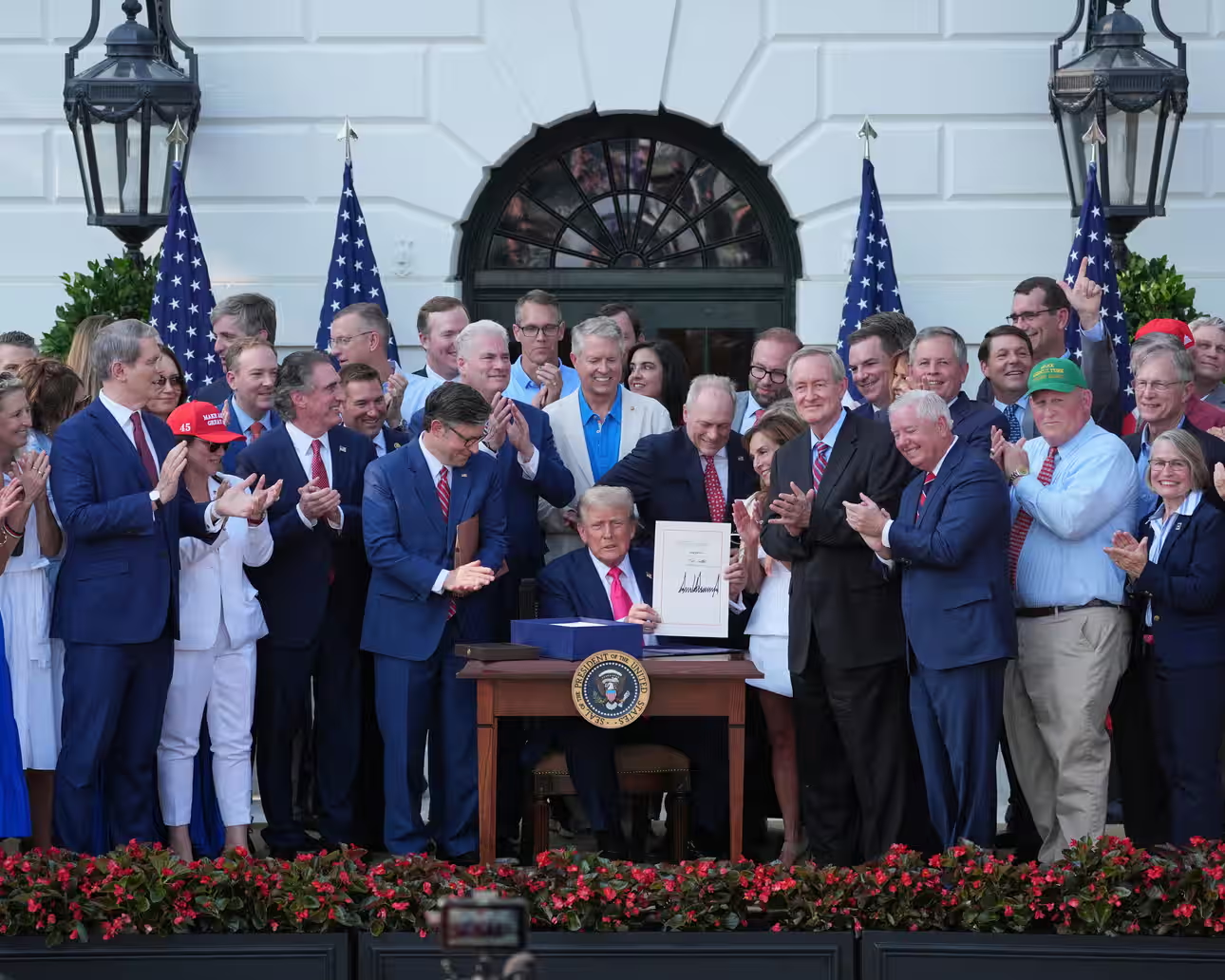
During a Fourth of July gathering at the White House, Donald Trump officially signed a comprehensive spending bill into law. The legislation includes significant cuts to public assistance programs while channeling billions toward enhanced immigration enforcement. While celebrated by Republicans as a major legislative achievement, the bill has drawn harsh criticism from Democrats and advocacy groups for favoring the wealthy and imposing harsh consequences on vulnerable populations.

I. Trump Signs Landmark Spending Bill Amid Celebration
1. Fourth of July Signing Ceremony
At a White House picnic celebrating Independence Day, President Trump signed the extensive spending bill, touting it as one of the most popular and all-encompassing legislative actions in U.S. history. Standing alongside First Lady Melania Trump, he praised the bill as a historic consolidation of policy measures.


2. Political Showmanship and Rally Messaging
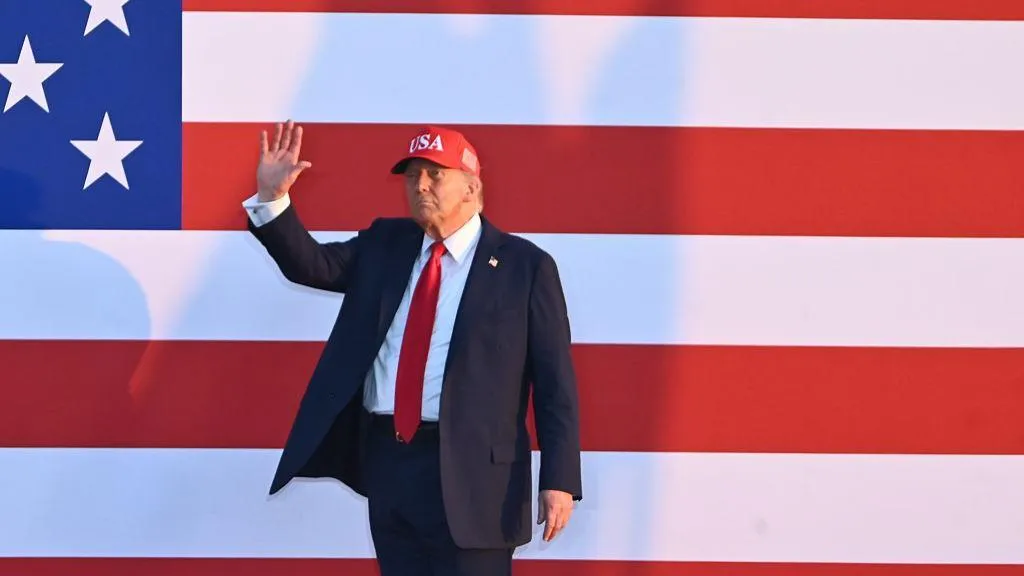
The day before, Trump referred to the bill as “America’s birthday gift” during a campaign-style event in Iowa, brushing off Democratic criticism as political theatrics. He insisted any negative press surrounding the legislation was disingenuous and misleading.

II. Legislative Journey and Political Implications
1. Narrow Congressional Passage
After prolonged deliberations, the bill narrowly cleared the Senate and later passed the House with a 219-213 vote. Only two Republicans voted against it. The measure is a major win for the political right, fulfilling longstanding conservative goals.
2. Tax Cuts and Wealth Distribution
The new law expands upon the 2017 tax reductions, offering temporary breaks on items like overtime pay, tipping income, and car loan interest. However, according to the Center on Budget and Policy Priorities, the tax benefits disproportionately favor the wealthiest Americans.

3. Trump’s Economic Optimism
President Trump proclaimed the bill would spur economic growth, describing the U.S. economy as poised for rapid expansion once the policies take effect.
III. Major Cuts to Social Safety-Net Programs
1. Medicaid Restrictions and Health Coverage Losses
The legislation imposes stricter conditions on Medicaid, the healthcare program for low-income and disabled individuals. Experts warn that as many as 11.8 million people may lose access to healthcare as a result.
2. SNAP Program Reductions
The bill also slashes funding for SNAP (food stamps), potentially removing 8 million people from the program. Critics argue that these cuts could exacerbate hunger and financial instability across the country.
3. Criticism from Democratic Lawmakers
Democratic Senator Raphael Warnock condemned the bill, calling it “highway robbery” that robs working Americans to enrich the wealthy elite.
4. Defense from Supporters
Supporters claim the changes to Medicaid and SNAP aim to eliminate fraud and ensure that assistance goes only to those who truly qualify.
IV. Increased Immigration Enforcement Funding
1. Massive Budget Boost for Deportation Efforts
The spending package allocates $170 million to immigration enforcement, fueling plans for widespread deportations and stricter border control measures led by the Trump administration.
2. Concerns from Immigrant Rights Organizations
Advocates argue the funding enables aggressive, harmful tactics that tear families apart and deny due process. Nicole Melaku of the National Partnership for New Americans described the bill as enabling further marginalization of immigrant communities.
3. Legal and Constitutional Fears
Meg McCarthy from the National Immigrant Justice Center warned that the enhanced powers granted to ICE may result in rights violations and foster a climate of fear among immigrant populations.
V. Enforcement Patterns and Industry Pushback
1. Rise in Arrests of Non-Criminal Immigrants
A Guardian investigation revealed a steep increase in arrests of undocumented individuals without criminal records following internal directives to immigration agents to ramp up enforcement.
2. Temporary Pause on Workplace Raids
Due to backlash from sectors like agriculture and hospitality, the Trump administration briefly paused immigration raids at businesses. However, during his speech, Trump floated the idea of making exemptions if farm owners personally vouched for undocumented workers.
3. Balancing Labor Demands and Immigration Policy
Trump addressed Homeland Security Secretary Kristi Noem directly during the event, suggesting flexibility for essential industries. He implied that mass detentions on farms might be reconsidered to prevent labor shortages.
VI. Environmental and Fiscal Impact
1. Repeal of Green Energy Incentives
The legislation also dismantles clean energy programs initiated under President Biden, which critics see as a setback to climate progress. These rollbacks are aligned with broader Republican efforts to reverse Democratic environmental policies.
2. Surge in National Debt
Despite Republican backing, the law will increase the federal deficit. The Congressional Budget Office projects an additional $3.3 trillion in national debt by 2034, prompting concerns over inflation and interest rates.
3. Dissent Within Republican Ranks
Representative Thomas Massie, one of only two Republicans to oppose the bill, warned it would lead to serious financial consequences for all Americans. He cited inflation and unsustainable borrowing as key concerns.
4. Elon Musk’s Critique and Call for Reform
Billionaire Elon Musk, who once launched a federal initiative to reduce government spending, criticized the bill publicly and reiterated his call for a new political party to challenge the status quo in Washington.
Conclusion
Trump’s newly signed spending package marks a defining moment in his administration’s second term, delivering sweeping tax cuts, deep social welfare reductions, and a dramatic expansion of immigration enforcement. While the law represents a major political victory for conservatives, it has ignited a firestorm of opposition from Democrats, immigrant advocates, environmentalists, and even members of Trump’s own party. The long-term effects of this legislation will likely shape economic and social policy debates for years to come.








