







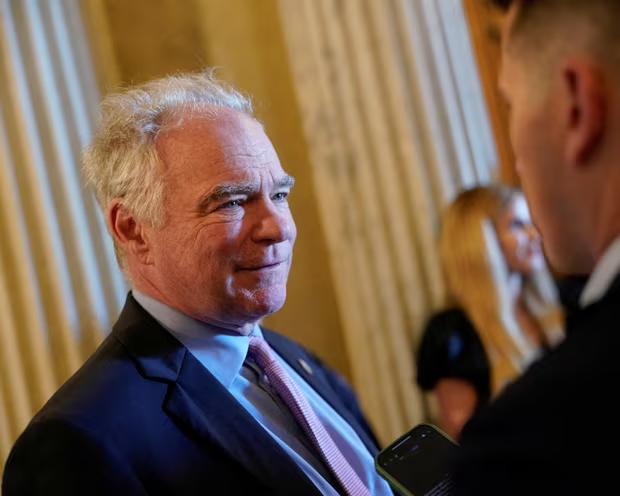


In a significant but expected outcome, the U.S. Senate voted down a proposed war-powers resolution aimed at curbing former President Donald Trump’s unilateral authority to engage in military conflict with Iran. The measure, brought forward by Senator Tim Kaine, called for the withdrawal of U.S. forces from hostilities against Iran unless explicitly authorized by Congress. The resolution failed in a 53-47 vote, largely along party lines, reflecting ongoing divisions over the role of Congress in matters of war and peace.

I. Congressional Control Over Military Action
1. The Defeated Resolution
The war-powers resolution, introduced by Senator Tim Kaine of Virginia, sought to reinforce Congress’s constitutional authority to declare war. Kaine emphasized that the U.S. Constitution was intentionally crafted to prevent a single individual from deciding to enter armed conflict. Referencing the nation’s founding principles, he noted that even George Washington was not given sole power to initiate war. The resolution, titled “To direct the removal of United States Armed Forces from hostilities against the Islamic Republic of Iran,” was defeated after a nearly party-line vote. Only one Republican, Senator Rand Paul of Kentucky, supported it, while Democratic Senator John Fetterman of Pennsylvania opposed it.
2. Historical Context and Legal Implications
Kaine’s argument underscored a constitutional tradition meant to protect the U.S. from reckless military entanglements. The resolution would have compelled then-President Trump to obtain Congressional approval before taking further military steps against Iran. Although the proposal failed, it highlighted growing concern among lawmakers about the increasing power of the executive branch in matters of national security. The vote also revealed deep partisan divisions over how much authority should rest with the president versus Congress in times of international conflict.
II. Rising Tensions in the Middle East
1. The June Airstrikes and U.S. Involvement
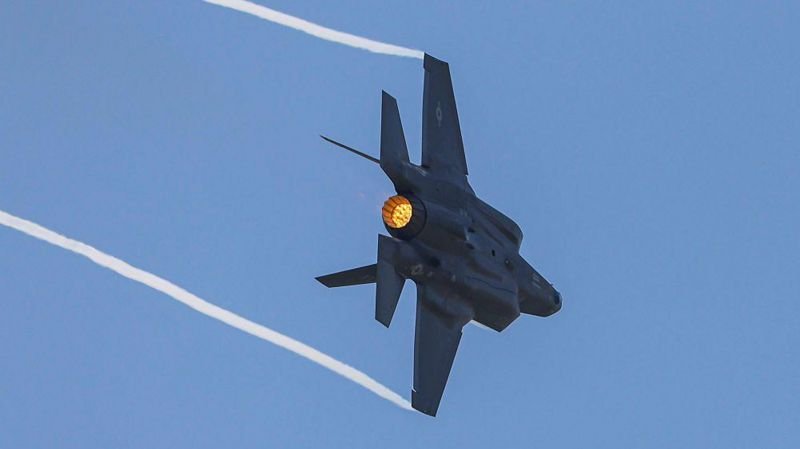
On June 22, Trump authorized a round of airstrikes on Iran’s nuclear facilities, an action that followed closely after Israeli military aggression and Tehran’s retaliatory response. Trump claimed the air campaign had “completely destroyed” critical Iranian enrichment infrastructure and declared the operation a success. However, conflicting reports emerged about the extent of the destruction, with some early assessments suggesting only limited impact. Iran swiftly condemned the strikes, branding them as provocative and unjustified acts of aggression.
2. Trump’s Position on Iran’s Nuclear Program
Following the airstrikes, Trump declared that Iran had been deterred from pursuing nuclear ambitions, suggesting that the military pressure had achieved its objective. During remarks at the White House, he stated, “I don’t believe they’re going to go back into nuclear anytime soon,” though he admitted that “time will tell.” Trump also made it clear that he would not hesitate to order further attacks should Iran resume uranium enrichment. His stance reflected a continuation of his administration’s hardline approach to Tehran, characterized by sanctions, maximum pressure, and the abandonment of the 2015 nuclear deal.
3. Iran’s Defiant Response
Iranian Foreign Minister Abbas Araghchi issued a sharp rebuttal via social media, criticizing Trump’s rhetoric and actions. Araghchi urged Trump to adopt a more respectful tone, especially when addressing Iran’s Supreme Leader, Grand Ayatollah Ali Khamenei, if he truly sought diplomatic engagement. His message resonated with the sentiment of defiance and national pride, portraying the Iranian people as resilient in the face of external threats. Echoing Trump’s own confrontational style, Araghchi warned that any miscalculation or illusion about Iran’s strength could lead to dire consequences, implying that Tehran would retaliate decisively if provoked.
III. Geopolitical Ramifications
1. U.S.-Iran Relations at a Crossroads
The failed resolution and the subsequent exchange of threats underscore the fragile state of U.S.-Iran relations. The cycle of provocation and retaliation has raised concerns among international observers about the risk of broader conflict in the region. Washington’s policy under Trump deviated significantly from the previous administration’s multilateral diplomacy, replacing engagement with coercion. This shift has arguably deepened mistrust between the two nations and complicated efforts to revive dialogue.
2. Regional and Global Reactions
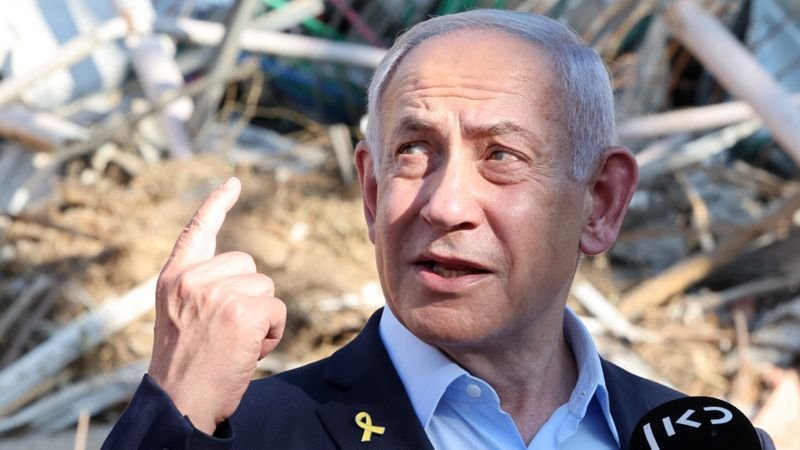
The developments surrounding the U.S.-Iran tensions have reverberated throughout the Middle East and beyond. Israel’s involvement in the initial confrontation added another layer of complexity, given its longstanding adversarial relationship with Iran. Neighboring countries and international allies are closely monitoring the situation, wary of the possibility that further escalation could destabilize an already volatile region. Global powers such as Russia and China have also expressed concern, advocating for restraint and a return to negotiations.
3. The Role of the Senate in Future Conflicts
While the Senate resolution failed, it represents a growing movement within Congress to reclaim its constitutional role in authorizing military force. Many lawmakers argue that successive presidents, both Republican and Democrat, have gradually eroded the legislative branch’s war-making authority. Although Trump is no longer in office, the vote serves as a symbolic reminder that questions about executive power and military intervention remain unresolved. Future administrations could face increasing pressure from Congress to obtain formal approval before engaging in acts of war.
Conclusion
The Senate’s rejection of the war-powers resolution reflects not just partisan disagreement but also a deeper constitutional debate over who holds the authority to lead the nation into conflict. While Trump’s aggressive actions toward Iran drew both criticism and praise, they have undeniably reignited discussions about the balance of power in U.S. foreign policy decision-making. As tensions continue to simmer in the Middle East, and as Iran signals its unwillingness to be intimidated, the need for clear, lawful frameworks governing military engagement becomes more urgent. Whether future presidents will face stricter Congressional checks remains to be seen, but the conversation about war powers is far from over.








