





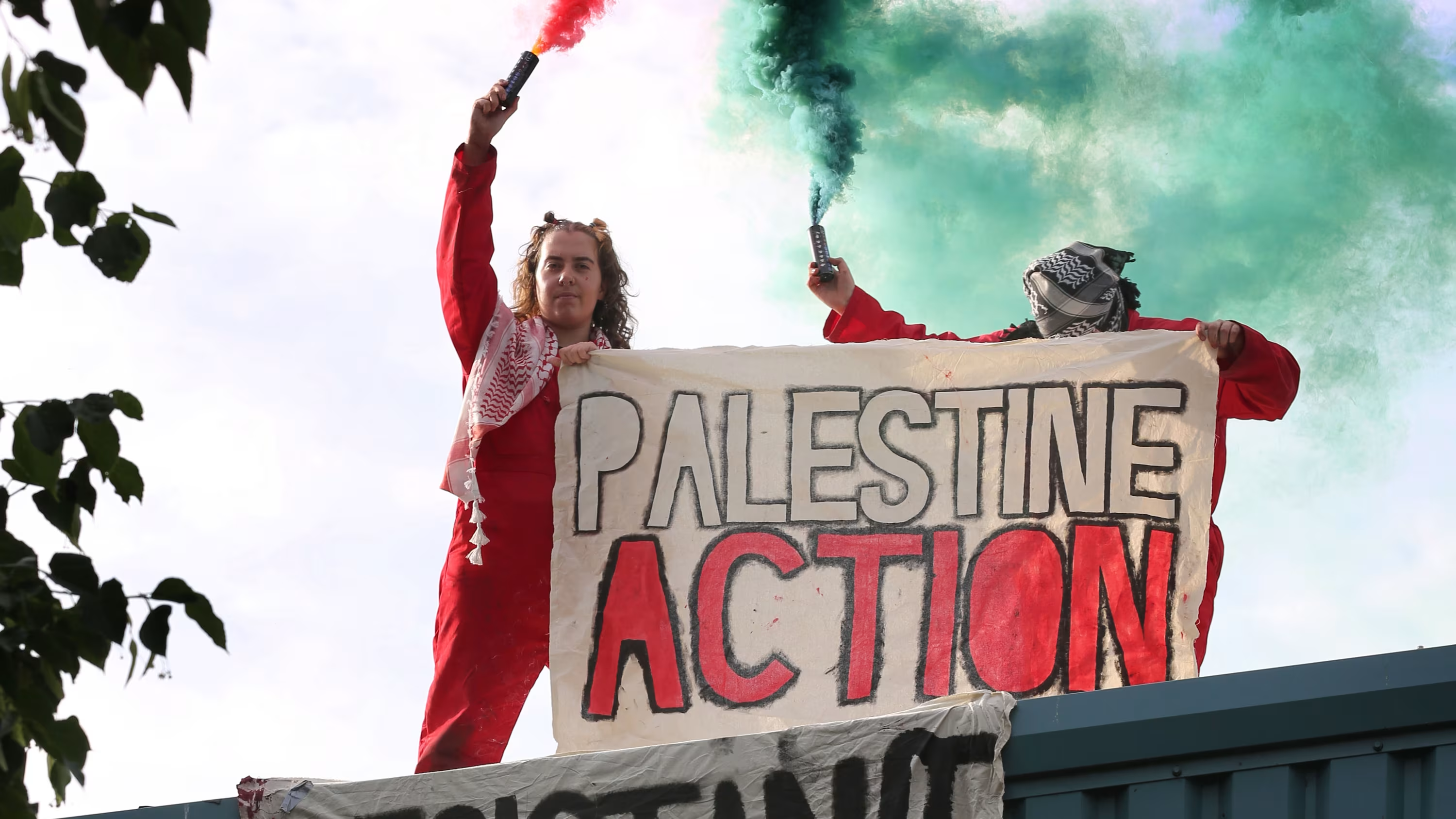

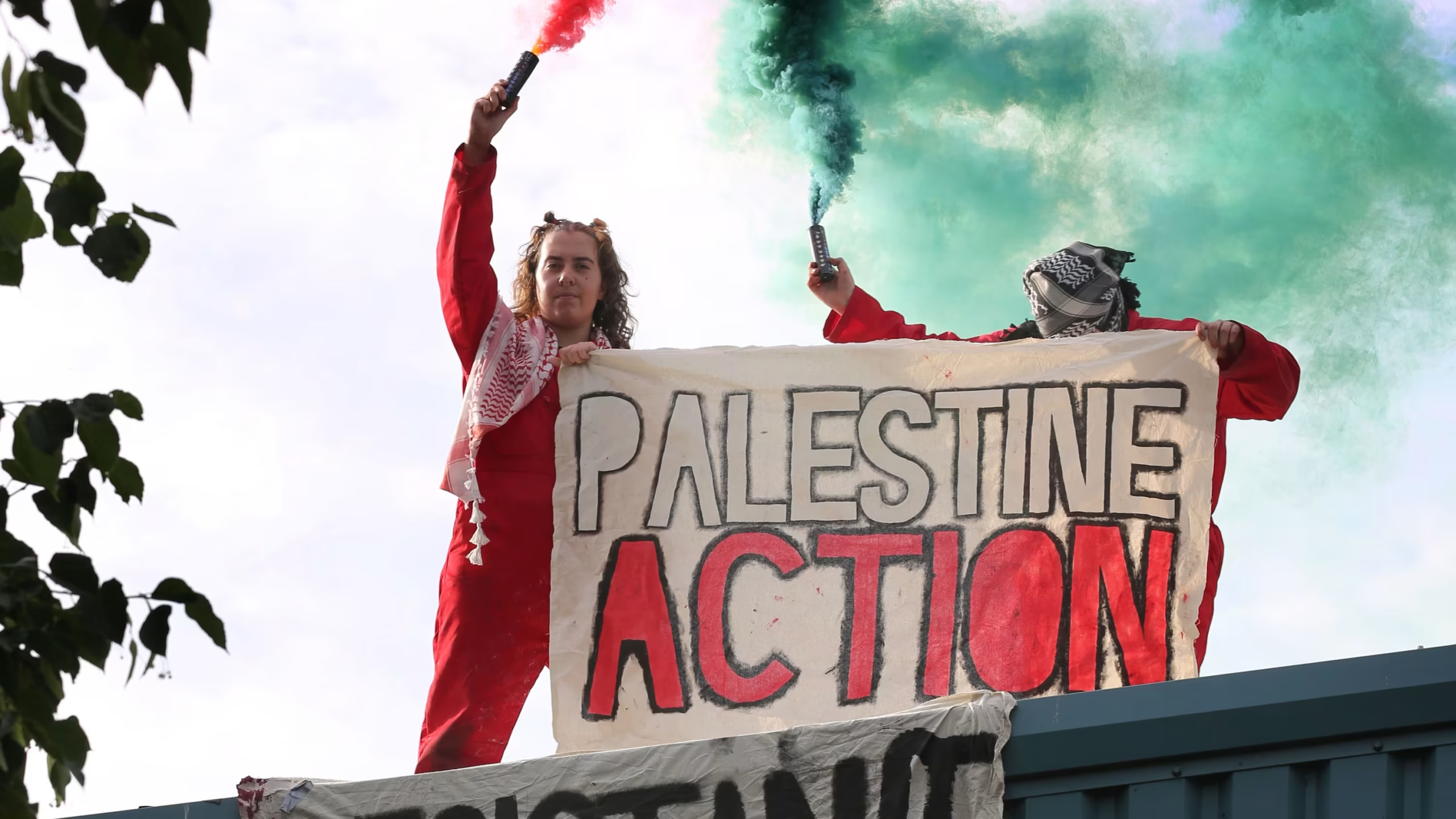
The UK Parliament has voted overwhelmingly to outlaw Palestine Action, a British activist group known for targeting arms manufacturers that supply weapons to Israel. This decision follows a high-profile incident in which two members of the group infiltrated the country’s largest air base and damaged military aircraft. The proposed ban, if confirmed by the House of Lords, would criminalize any affiliation or public support for the group, aligning it with organizations officially designated as terrorist entities.

I. Parliamentary Vote and Immediate Developments
1. Legislative Process and Potential Impact
Members of Parliament voted 382 to 26 in favor of proscribing Palestine Action. The legislation is now headed to the House of Lords, where, if passed, it will take legal effect within days. This would make it illegal to be a member of, or even to publicly support, the group under the UK’s counterterrorism framework.

2. Triggering Incident at RAF Base
The move comes after two activists from Palestine Action breached security at RAF Brize Norton in central England and sprayed red paint into the turbine engines of two Airbus Voyager aircraft. The group said the action was in protest of the aircraft’s alleged involvement in transporting military cargo and refueling missions supporting Israeli, American, and British operations.

II. Government Justification and Legal Ramifications
1. Official Statement and Alleged Aircraft Usage
Home Secretary Yvette Cooper formally announced the government’s intention to classify Palestine Action as a terrorist group on June 23, citing the airbase incident. However, the UK Ministry of Defence clarified that the RAF aircraft involved do not carry Israeli military cargo or refuel Israeli jets.
2. Legal Consequences of the Ban
If enforced, the ban would represent the first time a direct action protest group has been listed under the UK’s anti-terror laws. Offenders could face up to 14 years in prison for involvement with the group. Wearing clothing or displaying items that suggest support for the group could also result in jail time or financial penalties.

III. Reactions and Legal Challenges
1. Group Response and Lawsuit
Palestine Action has launched legal proceedings against the government’s move, calling the ban a tactic used by authoritarian regimes to suppress dissent. Co-founder Huda Ammori likened the government’s response to that of repressive states that manipulate terrorism laws to silence opposition.
2. Condemnation by Rights Groups
Human rights organizations have condemned the proposed ban as excessive and undemocratic. Amnesty International UK’s Chief Executive Sacha Deshmukh warned that the move threatens core freedoms, including the right to peaceful protest and freedom of speech. In a letter to lawmakers, she described the legislation as a “grave misuse of anti-terrorism powers.”
3. UN and Political Opposition
UN experts also criticized the proposed proscription, expressing concern over branding a political protest movement as terrorist without clear justification. Several British lawmakers, including Labour MP Zarah Sultana and former Shadow Chancellor John McDonnell, spoke out in support of Palestine Action and against what they view as a misuse of counterterrorism legislation.
IV. Broader Debate on Civil Liberties
1. Concerns Over Suppression of Protest
Many civil society leaders see the proposed ban as part of a broader trend in the UK of restricting public demonstrations. Critics argue that labeling Palestine Action as a terrorist group is an attempt to delegitimize resistance against state policies, particularly those related to arms exports and foreign conflicts.
2. Framing the Real Issue
In response to the government’s decision, Palestine Action said the true wrongdoing lies not in their symbolic protest but in the UK’s role in facilitating alleged war crimes through arms deals with Israel. “The real crime is not red paint on warplanes,” the group said in a June 24 statement, “but the atrocities those planes make possible.”
Conclusion
The UK’s move to ban Palestine Action under terrorism laws has ignited a fierce national and international debate about the limits of protest, freedom of expression, and the appropriate use of counterterrorism powers. While the government insists the proscription is necessary for national security, critics argue it represents a dangerous step toward silencing dissent and criminalizing activism.