







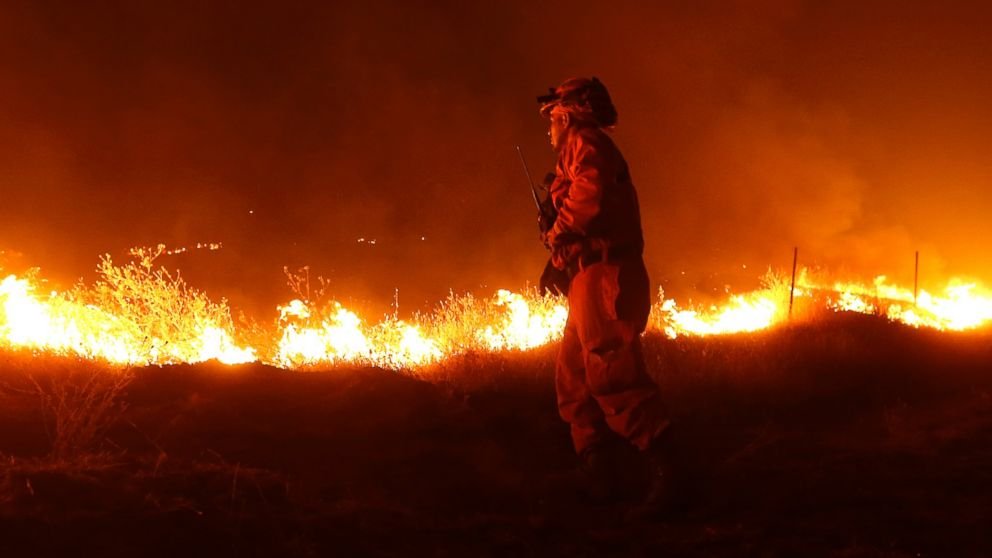


A wave of devastating wildfires has swept across Northern California, turning vast stretches of forest and rural communities into scorched wastelands and forcing tens of thousands of residents to flee their homes. Driven by intense heat, parched conditions, and unpredictable winds, the fires have overwhelmed local firefighting efforts and prompted a state of emergency declaration by the California governor. The crisis has captured global attention, reigniting conversations about climate change, fire prevention, and the future of life in fire-prone regions.

A Firestorm Unleashed
The first reports of fire activity began early last week in Shasta County, a region known for its dense woodlands and proximity to the Lassen National Forest. What initially seemed like a series of small, isolated brush fires rapidly evolved into a sprawling inferno as hot, dry winds — known locally as “Diablo winds” — whipped the flames into a frenzy. Within hours, the fires merged and leapt across firebreaks, highways, and rivers, creating what experts now describe as a “megafire.”
By the end of the first 48 hours, the wildfires had scorched over 120,000 acres and destroyed hundreds of homes, businesses, and critical infrastructure. As the fires spread east and south into Butte, Tehama, and Plumas counties, the scale of the emergency became apparent. More than 30,000 people received mandatory evacuation orders, with many forced to leave at a moment’s notice.
Scenes of Chaos and Desperation
In towns like Redding, Paradise, and Chico, residents woke up to an apocalyptic sky — the sun obscured by thick smoke, and the air choked with ash. The sound of emergency sirens and helicopters filled the air, as first responders struggled to reach those trapped in remote areas. Entire neighborhoods were reduced to smoking ruins within hours.

“I’ve lived in Northern California my whole life, but I’ve never seen anything like this,” said 65-year-old Dennis Monroe, who lost his home in the hills outside of Red Bluff. “It came so fast. We had minutes — just enough time to grab the dogs, the truck keys, and run.”
Emergency shelters were hastily set up in schools, fairgrounds, and churches across neighboring counties. Volunteers and disaster relief agencies worked around the clock to provide food, clothing, and medical care to evacuees. Hospitals braced for incoming patients, including burn victims, people suffering from smoke inhalation, and the elderly displaced by the chaos.
The Numbers: Scale of Destruction
As of the latest reports, more than 180,000 acres have been consumed by the wildfires across multiple counties. At least 1,500 structures — including homes, schools, and public buildings — have been confirmed destroyed, with damage assessments ongoing. An estimated 50,000 residents have been evacuated, while thousands more remain on high alert.
Fire officials have confirmed five fatalities so far, including one firefighter and several residents who were unable to escape the flames in time. Over 75 people have been injured, and more than 300 remain unaccounted for as search and rescue operations continue.
Thousands of firefighters from across California and neighboring states have been deployed, including National Guard units and federal assistance. Despite these efforts, containment remains low — hovering around 15% — due to difficult terrain, erratic winds, and high temperatures.
Environmental Conditions: A Perfect Storm
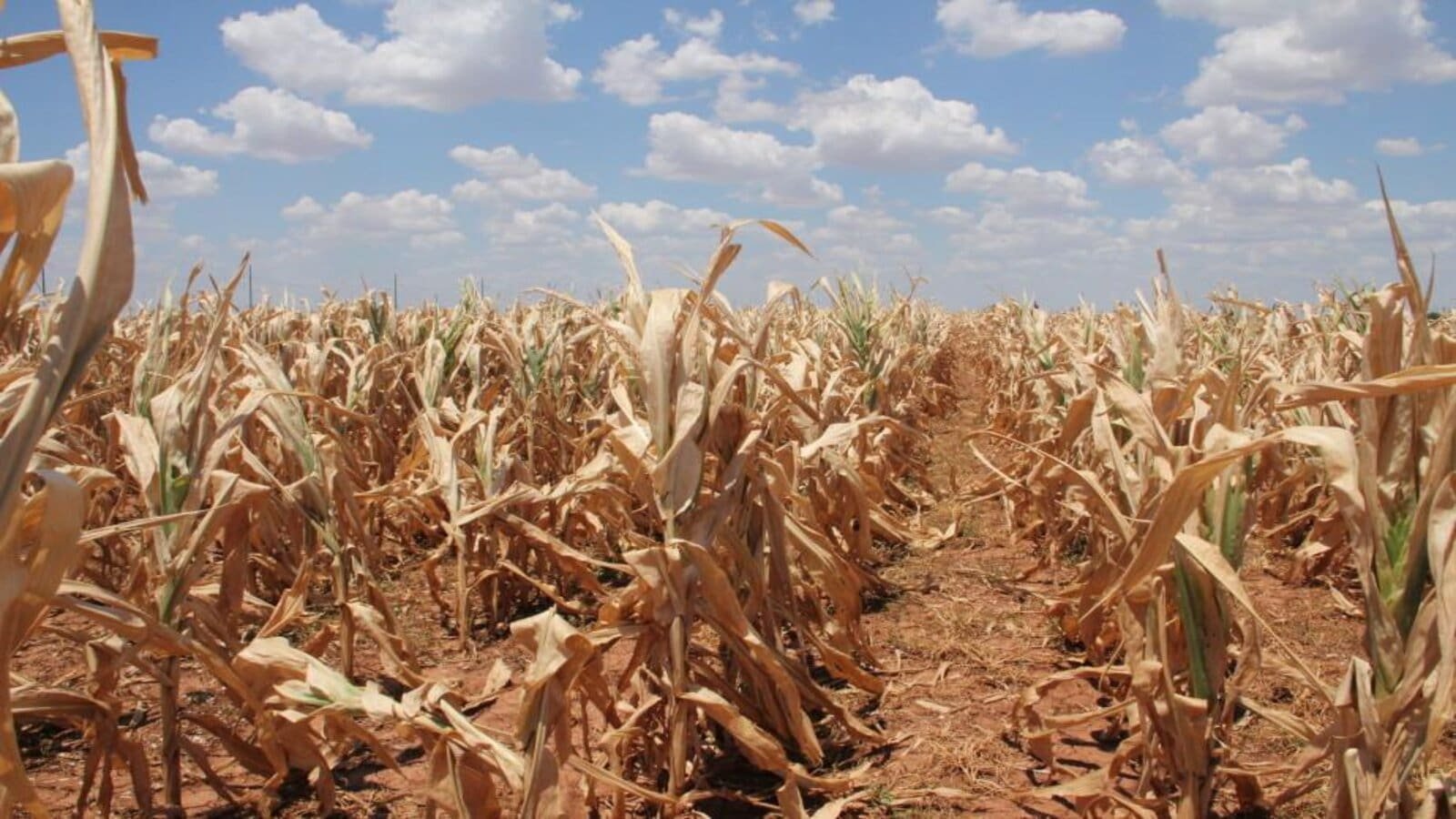
The fires have been exacerbated by months of severe drought, which left Northern California’s forests tinder-dry. According to the U.S. Drought Monitor, over 90% of the state is experiencing moderate to extreme drought conditions. Unusually high temperatures, reaching over 110°F (43°C) in some regions, have further contributed to the fire’s rapid spread.
Experts point to the ongoing effects of climate change as a significant factor in the increasing frequency and severity of these fires. Dr. Rebecca Lin, a climate scientist at Stanford University, emphasized the broader context: “Warmer temperatures, lower humidity, and prolonged droughts create an environment where fires not only start more easily but also burn more intensely and spread more rapidly.”
Additionally, the state’s extensive wildland-urban interface — areas where homes are built near forests or brush — means that more people are at risk. As California’s population has expanded into these high-risk zones, the stakes of each wildfire season have risen dramatically.
Firefighting Efforts: Battling Against the Odds
Fire crews have employed a mix of ground operations, aerial water drops, and fire-retardant dispersal to slow the fire’s advance. However, many areas remain inaccessible due to blocked roads and fallen debris. Bulldozers have been used to carve firebreaks, while helicopters drop water from nearby lakes and rivers.
“We’re throwing everything we’ve got at it,” said CAL FIRE Chief Aaron Morales. “But this is a monster. We’re facing conditions we’ve never seen before, and the safety of our crews is a constant concern.”
Dozens of firefighters have already suffered from heat exhaustion and smoke exposure. In some cases, entire shifts have had to be rotated out due to exhaustion and hazardous conditions. Local fire departments are also struggling with equipment shortages and logistical challenges, including limited fuel and communications infrastructure.
Community Response and Resilience
Amid the devastation, stories of resilience and community spirit have emerged. Volunteers have stepped up to deliver supplies, rescue animals, and offer shelter to displaced neighbors. Local businesses have opened their doors to evacuees, and social media has been flooded with offers of assistance.
“We may be burned out, but we’re not broken,” said Sarah Torres, a community leader in Chico who organized food donations and temporary housing through a grassroots relief group. “People are coming together in the face of disaster — that’s the one thing the fire can’t destroy.”
Animal rescue teams have also been working to save pets, livestock, and wildlife caught in the blaze. Dozens of rescued animals are now being cared for at makeshift shelters, with veterinarians offering free treatment for burns and smoke inhalation.
Air Quality Crisis and Health Concerns
The fires have created a major public health emergency in the form of hazardous air quality. Smoke plumes stretching hundreds of miles have led to air quality index (AQI) levels of 300 to 500 in some cities — far above the threshold for “hazardous” air.
Schools have been closed, outdoor events canceled, and residents advised to remain indoors and wear N95 masks when venturing outside. Hospitals report a surge in asthma attacks, respiratory distress, and anxiety-related conditions.
“The smoke is relentless,” said Dr. Harpreet Singh of Mercy Medical Center in Redding. “We’re seeing more and more patients come in with difficulty breathing, especially the elderly and children. This is not just a fire — it’s a public health crisis.”
Political and Governmental Response
California Governor Gavin Newsom has declared a state of emergency and appealed for federal disaster relief. In a press briefing, he called the fires “a stark reminder of the growing threat of climate change and the urgent need for coordinated action.”
President of the United States has since approved emergency aid and ordered the Federal Emergency Management Agency (FEMA) to assist with evacuations, shelter setup, and fire suppression resources.
Lawmakers and advocacy groups are also renewing calls for long-term investment in forest management, fire prevention, and sustainable infrastructure. Critics argue that insufficient planning, outdated power infrastructure, and decades of fire suppression policy have created conditions ripe for disaster.
Long-Term Impacts and Rebuilding Challenges
Once the flames are extinguished, a long road to recovery will begin. Rebuilding entire communities will take years, and insurance claims are expected to surpass $10 billion. Thousands of families will need temporary housing, jobs, and mental health support.
Environmental damage is also significant. Charred forests, eroded hillsides, and polluted waterways threaten ecosystems and biodiversity. Post-fire rains could lead to mudslides and further displace affected communities.
Mental health professionals warn of long-term trauma among survivors, especially children who have been uprooted from their homes, schools, and routines. Support groups, counseling centers, and peer networks are being mobilized to help residents cope.
A Call for Urgent Action
As wildfires become more intense and frequent, experts are calling for a multi-faceted approach to future preparedness. This includes:
-
Improved land management: thinning overgrown forests, controlled burns, and better zoning laws.
-
Climate change mitigation: reducing greenhouse gas emissions and transitioning to renewable energy.
-
Infrastructure upgrades: burying power lines, building fire-resistant structures, and early warning systems.
-
Community education: teaching residents how to prepare for and respond to wildfire threats.
“We cannot continue to treat each fire as a surprise,” said Dr. Lin. “We must build systems that anticipate and adapt to our changing reality.”
Conclusion: A Region Tested by Fire
Northern California is once again at the epicenter of a wildfire disaster, and the scale of destruction is both sobering and heartbreaking. Thousands have lost homes, memories, and peace of mind. Yet, amid the ash and ruin, there are also stories of heroism, unity, and determination.
As the smoke begins to clear and the embers cool, the question remains: What will it take for lasting change to prevent the next inferno? For the people of Northern California, the answer can’t come soon enough.








