






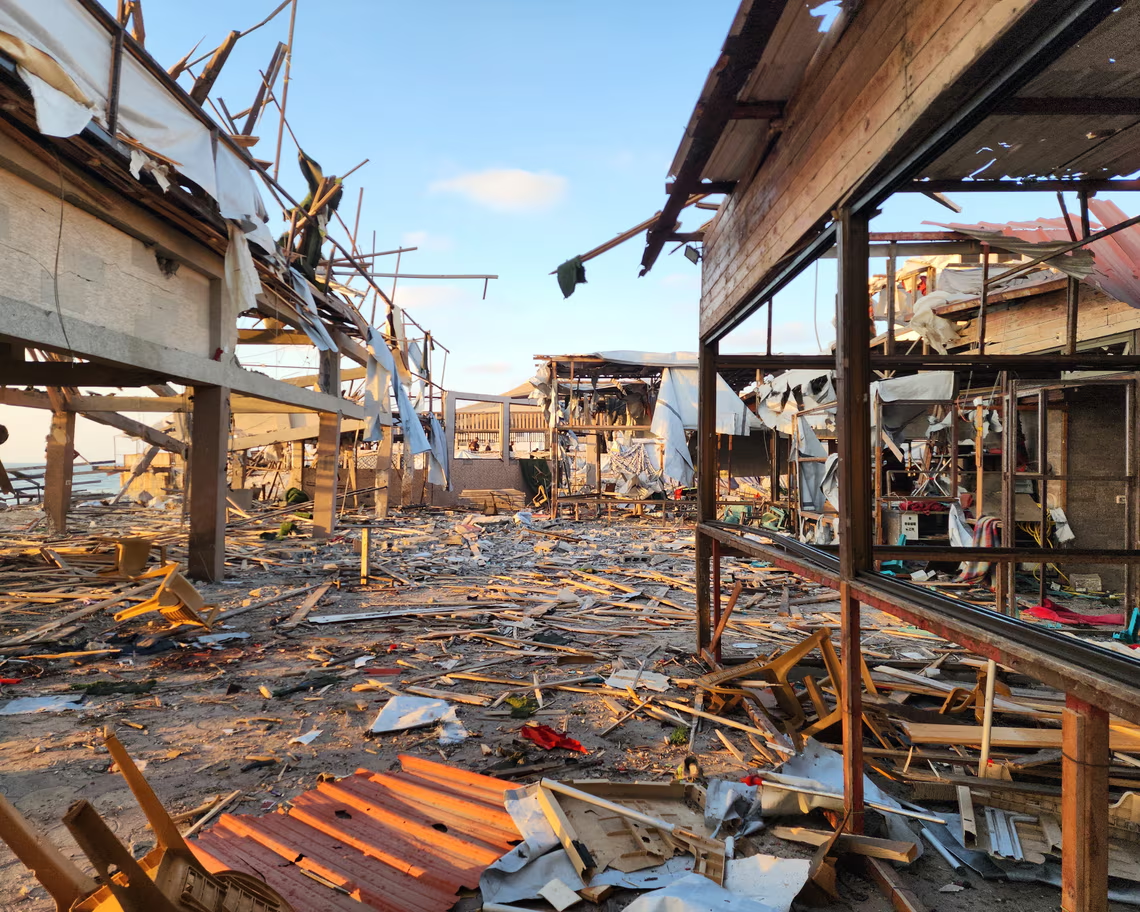


The serene setting of Al-Baqa Cafe in Gaza City was shattered one afternoon when an Israeli airstrike turned a bustling public space into a scene of horror. For nearly 40 years, the family-run establishment had served as a peaceful refuge for Palestinians amid ongoing conflict. Positioned between the Mediterranean Sea and the ruins of bombarded buildings, the cafe was full of civilians seeking a moment of calm when tragedy struck.

I. The Strike on Al-Baqa Cafe
1. A Peaceful Afternoon Turns to Chaos
Al-Baqa Cafe had long stood as a reminder of normalcy for Gaza residents. On that particular day, customers, including children, artists, and journalists, gathered under its wooden canopy for tea and conversation. Among them were artist Amna al-Salmi and filmmaker Ismail Abu Hatab.
At approximately 3 p.m., a missile hit the cafe, sending shrapnel flying and engulfing the area in smoke. Eyewitnesses described a powerful blast, with bodies strewn across the site and the cafe completely destroyed. Abu al-Nour, 60, recounted narrowly avoiding the explosion while returning from lunch.
2. Witnesses Describe Devastation
Adam, a 21-year-old renting tables nearby, spoke of knowing the cafe workers personally and being horrified by the scene. Debris, twisted concrete, and children’s toys littered the area. One witness noted the lingering smell of blood hours after the attack. Locals expressed disbelief that such a popular civilian spot could become a target.
II. Casualties and Aftermath
1. Victims Include Women, Children, and Artists
Reports estimate 24 to 36 people were killed, with dozens injured. Among the dead were 35-year-old Nour al-Huda al-Husari and her two daughters. While one child emerged unharmed, the other sustained life-threatening injuries. Al-Salmi, a prominent artist, and Abu Hatab, the journalist, also lost their lives.
2. Official Statements and Ongoing Investigation
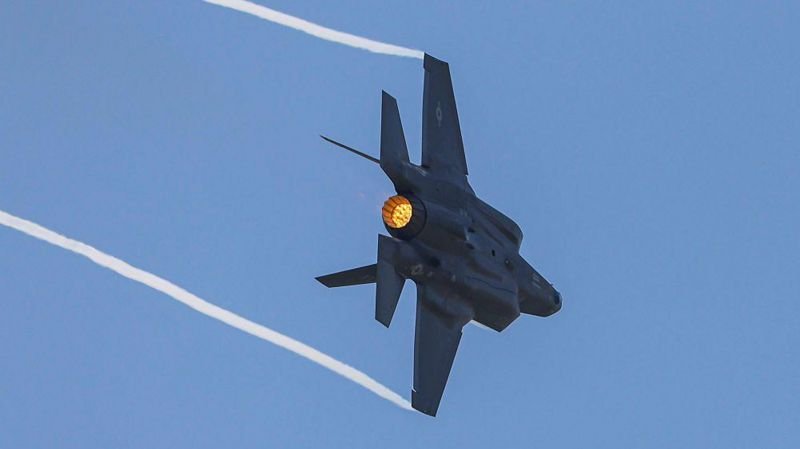
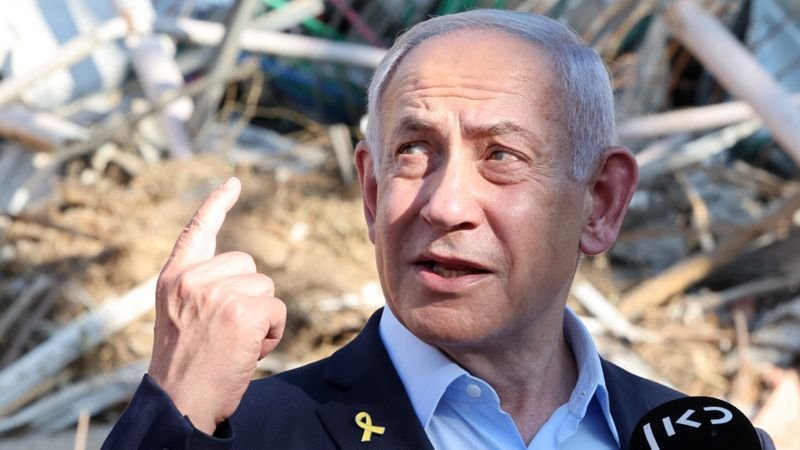
The Israel Defense Forces (IDF) acknowledged the airstrike and said it targeted “several Hamas terrorists” in northern Gaza. They claimed to have taken precautionary steps using aerial surveillance to avoid civilian casualties. A broader IDF statement mentioned over 140 targets hit across the territory the previous day.
III. Gaza’s Humanitarian Crisis Worsens
1. The Illusion of Safe Spaces
Locals emphasized that Al-Baqa was not a military location and questioned why it was targeted. Mohammed al-Husari, whose wife and daughters were at the cafe, said his family only visited places they believed to be safe. “There is no safe place in Gaza,” he lamented.
2. Psychological Toll on Survivors
The psychological impact is profound. Abu Hatab had previously spoken of being haunted by his work, describing how scenes of martyrs and unfinished meals lingered in his mind. The trauma of this event will only add to the mental anguish faced by survivors.
3. Ongoing Deaths Amid Aid Shortages
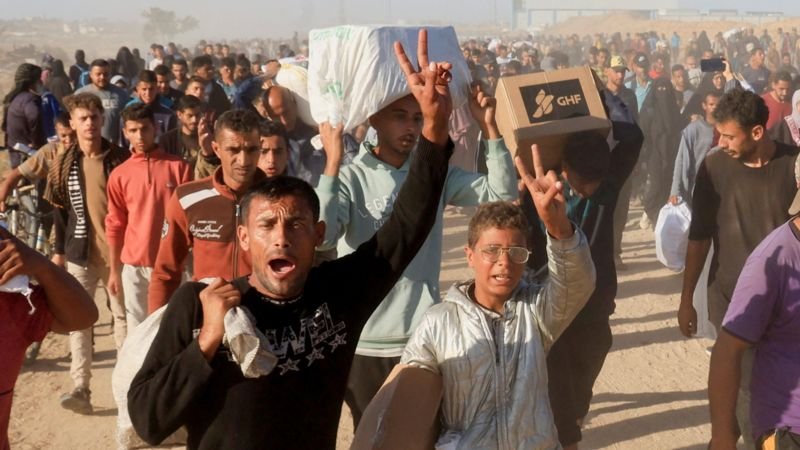
Beyond casualties from bombings, hundreds have reportedly died recently while trying to access humanitarian aid. Only a small portion of Gaza’s 2.3 million residents have the means to purchase essentials or access stable internet and shelter.
IV. Context of the Conflict
1. Origins of the War
The conflict escalated following Hamas’s surprise attack on Israel in October 2023, which killed 1,200 civilians and saw 250 taken hostage. In retaliation, Israel launched a sustained offensive on Gaza.
2. Devastation Across the Territory
Since the war began, over 56,500 Palestinians, mostly civilians, have been killed. Gaza’s infrastructure has been decimated, displacing nearly the entire population and leaving vast regions in ruins.
Conclusion
The tragic strike on Al-Baqa Cafe is a stark reminder of the civilian cost of the Gaza conflict. What was once a peaceful haven has become a symbol of the indiscriminate toll of war. As the humanitarian crisis deepens and safe spaces vanish, the international community is left to grapple with the consequences of prolonged violence.