







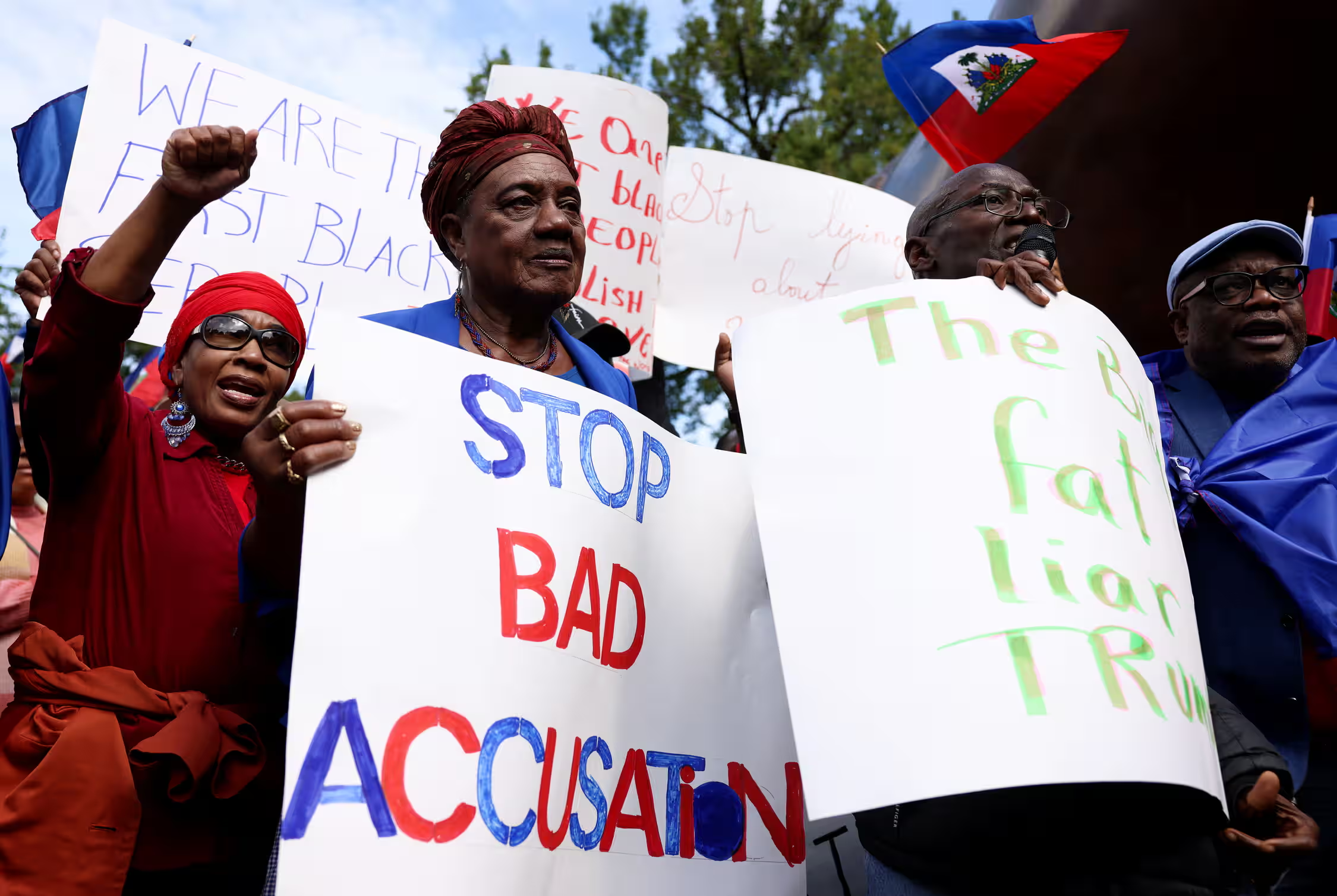
In a modest church located just south of downtown Springfield, Ohio, around 30 Haitian immigrants, religious leaders, and local residents gathered one warm summer evening to develop a response plan. Their meeting followed a recent announcement by Kristi Noem, Secretary of Homeland Security, stating that Haitians under Temporary Protected Status (TPS) would face removal from the U.S. by September 2. Despite a federal judge temporarily blocking the termination on July 1, anxiety within the community remains high, particularly in light of a recent Supreme Court ruling that lifted protections for Venezuelan TPS holders.

I. A Community in Crisis
1. Mounting Legal Fears
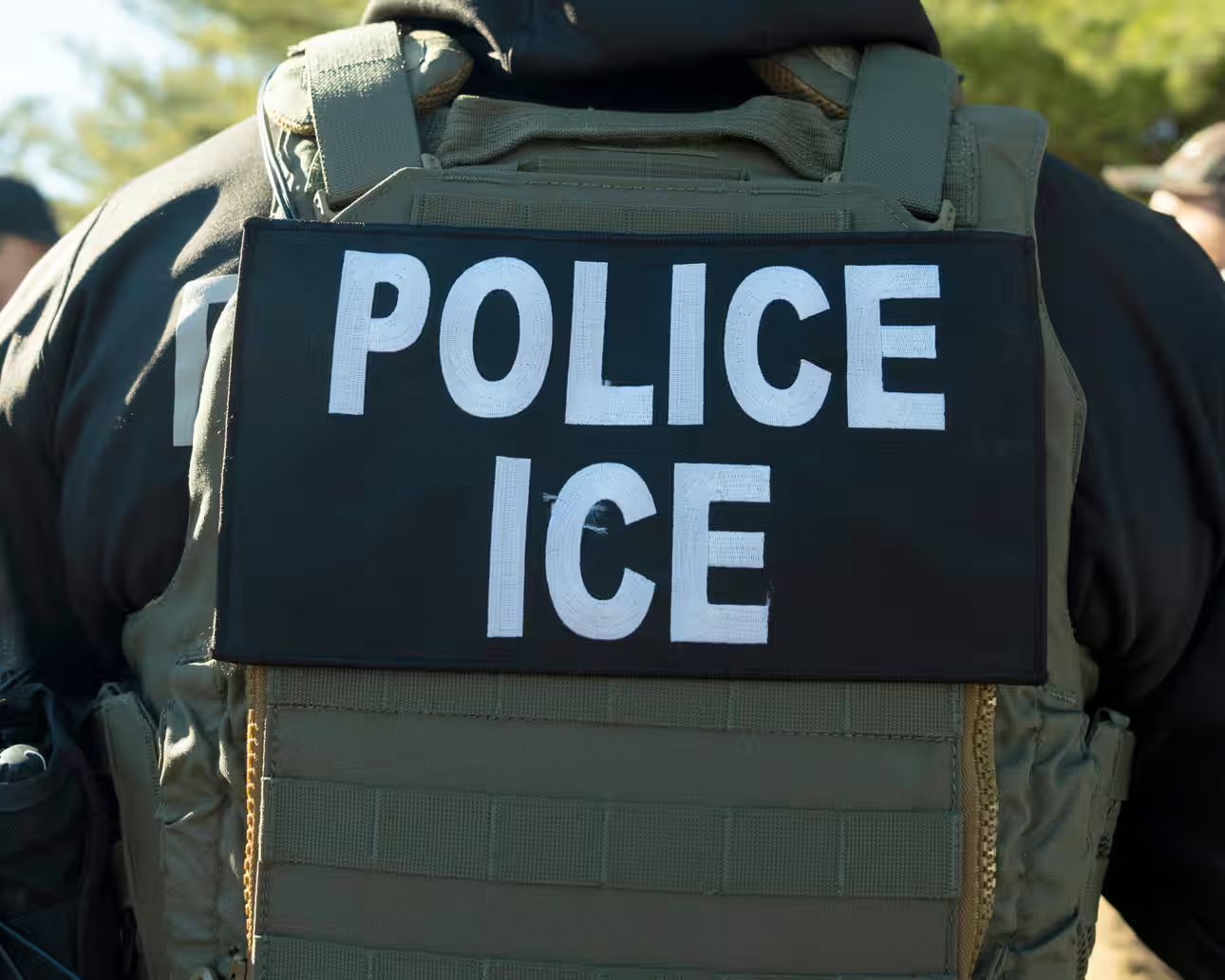
Inside the church, families passed around pamphlets with legal guidance on how to respond to immigration raids. Immigration lawyers fielded urgent questions about how to handle encounters with Immigration and Customs Enforcement (ICE), as many feared for their futures and their families’ stability.

2. The Risk to U.S.-Born Haitian Children
Among the concerns voiced was the possibility of thousands of American-born children of Haitian parents being left behind or rendered stateless. Casey Rollins, a volunteer with St. Vincent de Paul, noted that many parents are now struggling to secure passports for their children—essential if they are to take them abroad should deportations proceed.

II. Springfield’s Haitian Population
1. Demographic Realities
Springfield, a city of 60,000 residents, is home to a growing Haitian population. While exact numbers are unclear, estimates suggest 10,000 to 15,000 Haitian nationals have relocated there since 2017. More than 1,200 U.S.-born Haitian children under age four live in the city, with additional minors attending local schools.
2. Charities Step In
Organizations like Springfield Neighbors United have been working around the clock to assist Haitians in obtaining necessary documentation. Volunteers have been inundated with questions about acquiring birth certificates and navigating the complex bureaucracy involved in securing passports.

3. Bureaucratic Time Constraints
Rollins explained that completing the process—from getting a birth certificate to receiving a passport—can take several months. She emphasized the urgency: “We have to act fast if these families are going to leave the country with their children.”
III. The Legal and Humanitarian Fallout
1. Risk of Family Separation
Without legal documentation or custody plans, children may be taken into state care if their parents are deported. The situation is further complicated by a Supreme Court decision issued on June 27, which limited nationwide injunctions against efforts to end birthright citizenship, increasing uncertainty for families.
2. Unsafe Return Conditions in Haiti
While U.S. authorities argue conditions in Haiti have improved enough for repatriation, local and international reports suggest otherwise. The State Department continues to advise against travel to Haiti due to rampant violence, kidnappings, and a declared state of emergency since March 2024. Commercial flights into Port-au-Prince remain suspended due to security risks.
3. Community Voices Speak Out
Viles Dorsainvil, head of the Haitian Community Help & Support Center in Springfield, countered official claims: “It’s simply not safe. People have been displaced, there’s no food or water, and even the U.S. embassy cannot function properly.” He added that Haitians are in the U.S. out of necessity, not choice.
IV. Legal and Political Uncertainty
1. Advocacy Groups Sound the Alarm
Katie Kersh, managing attorney for Advocates for Basic Legal Equality, noted that although most Haitians entered the country lawfully, any moves by the administration to subject them to expedited removal could lead to mass detentions. She warned that family separation remains a looming threat due to limited detention infrastructure.
2. Political Pressures and Public Opinion
Springfield’s Republican mayor, Rob Rue, recently expressed frustration that his city has become part of the national immigration debate. Previous waves of Haitian residents had already begun leaving for Canada following the election of former President Trump, and now, new fears are prompting others to consider the same route.
V. Volunteers Press On Despite Fear
1. Caught in a Legal Limbo
So far, volunteers have managed to help with only a few passport applications. The group was waiting for the Supreme Court’s ruling on birthright citizenship before pushing forward. But with the threat of shutdowns from federal authorities, even these modest efforts feel fragile.
2. A Race Against Time
Rollins called the situation “a double-edged sword.” The group is torn between taking no action and risking being halted by political forces. “Doing nothing is dangerous. But trying to act feels just as precarious,” she said.
Conclusion
The Haitian community in Springfield faces a moment of deep uncertainty. With Temporary Protected Status hanging in the balance, families are scrambling to ensure their children’s futures while volunteers work tirelessly against a ticking clock. Amidst legal complexities and dangerous misinformation about conditions in Haiti, the threat of family separation, deportation, and displacement looms large. For these families, the stakes couldn’t be higher—and time is quickly running out.








