







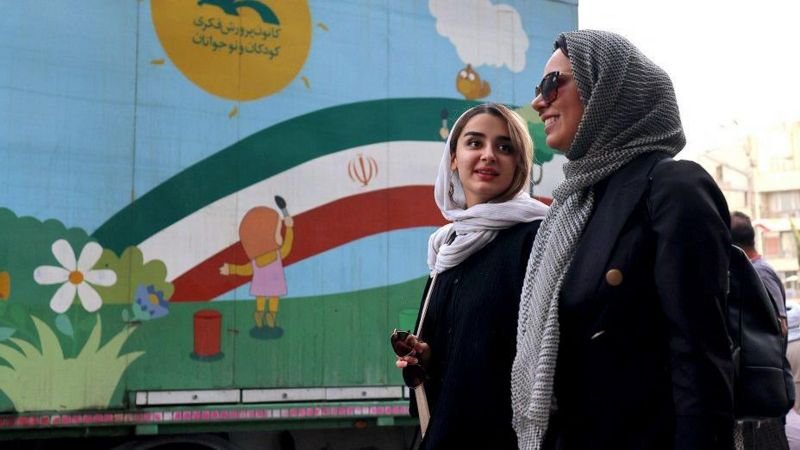


In the aftermath of a 12-day confrontation between Iran and Israel, a fragile ceasefire has emerged. While political leaders claim victory and international observers monitor closely, it’s the everyday Iranian who bears the heaviest burden. Ordinary citizens, already grappling with economic hardship and government repression, now face a future clouded with uncertainty, distrust, and fear.
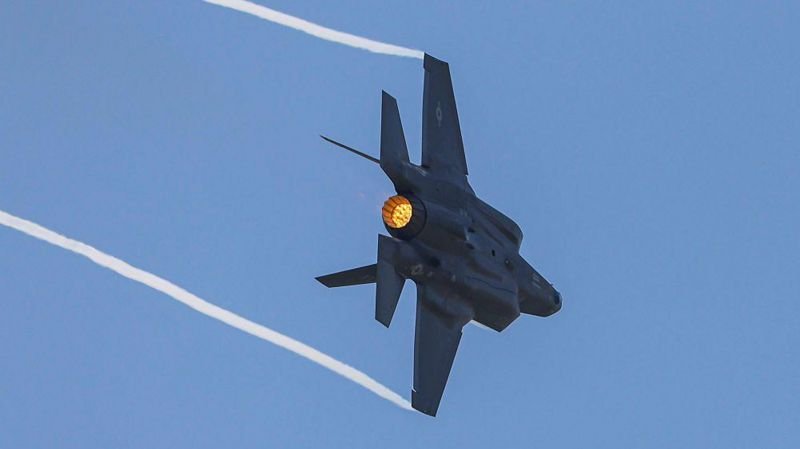

Iranians across the country, speaking anonymously due to safety concerns, have expressed a range of emotions—from sorrow to skepticism—about the ceasefire. The war may have paused, but for many, the real conflict lies within the country itself.
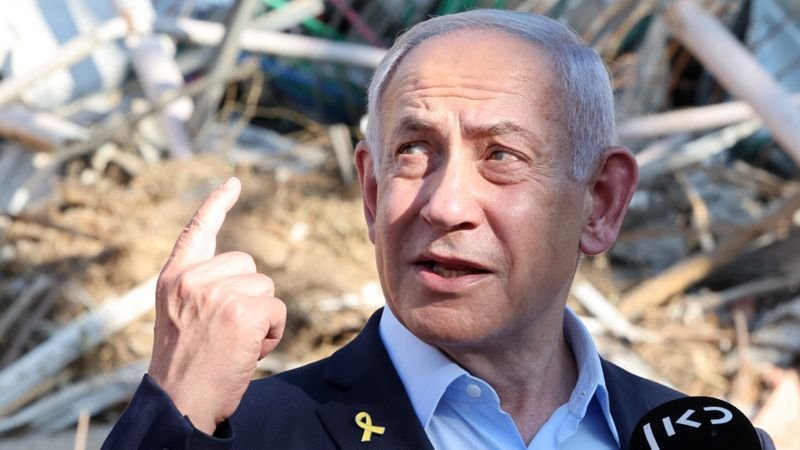
I. The Voices from Within Iran
1. “The War Was Staged”: Sirous’ Take on Political Showmanship
Sirous, a Tehran resident who asked for anonymity, believes the recent conflict was a strategic spectacle orchestrated by both Iran and its adversaries. “Israel and the US came in and destroyed military and nuclear sites, Iran launched a few missiles, hit a US base, and both sides are satisfied,” he told the BBC.
Despite the perceived choreography of the conflict, Sirous stresses that it’s the Iranian people who continue to suffer long after the rockets stop flying.
2. Civilian Casualties and a Bleak Toll
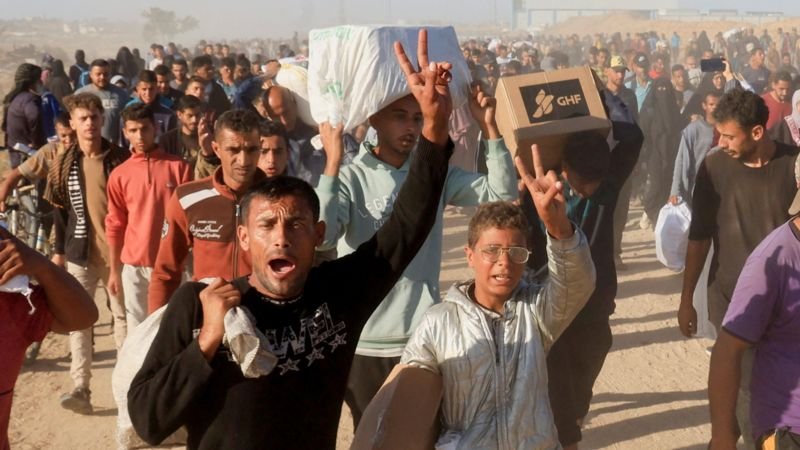
Iran’s Health Ministry reported 606 deaths resulting from the conflict. However, independent monitoring groups estimate the death toll could be as high as double that figure. The physical damage is only part of the equation—psychological trauma, economic strain, and political instability loom large.
II. Life Under Sanctions, War, and Repression
1. “We Are Exhausted”: Minoo’s Plea for Peace
Another citizen, Minoo (a pseudonym), paints a heartbreaking picture of life in Iran. “What truly frightens me is the devastation of war combined with sanctions and a dead economy, all brought on by the regime’s greed,” she says.
She highlights that many Iranians are trapped in a cycle of suffering—paying the price of political conflict not only with money but with lives. According to Minoo, the regime’s failures have left citizens hopeless and afraid. “We, the Iranian people, are exhausted… we just want to live in peace in the country we love.”
2. Heightened Repression After the Ceasefire
Minoo fears the aftermath of the ceasefire more than the war itself, predicting intensified crackdowns on dissent by the Iranian government. Her concerns are not unfounded. The United Nations reports that at least 901 people were executed in Iran in the previous year alone.
This fear is shared widely. Many Iranians believe that a weakened regime could resort to more authoritarian measures, using the guise of national security to justify further oppression.
III. The Ceasefire: A Temporary Relief or Strategic Trap?
1. A Fragile Truce Under Scrutiny
Though a ceasefire was officially announced—brokered by former US President Donald Trump—it has been anything but stable. Reports of explosions in Mazandaran province surfaced shortly after the agreement, casting doubt on the longevity of peace.
Sara, another Tehran resident using a pseudonym, voiced her doubt: “I did not believe the ceasefire… it’s not likely of them.”
Many see the truce as a political maneuver rather than a genuine step toward peace.
2. Arman and Kian: The Regime’s Fall Is Inevitable
Arman and Kian, also speaking under assumed names, view the ceasefire as a temporary facade. Arman asserts that Israel has not yet fulfilled its military objectives, while Kian labels the truce a calculated move to expose Iran’s Supreme Leader, Ayatollah Ali Khamenei. “This war won’t end with a ceasefire. It will end with the fall of this regime,” Kian adds confidently.
Such sentiments reflect deep-rooted disillusionment with Iran’s leadership and a broader hope for systemic change.
IV. Economic Priorities and National Rebuilding
Mehdi, another Iranian who spoke with the BBC, is wary of where the government’s focus will lie in the wake of the ceasefire. “The government will prioritise rebuilding its military and nuclear capabilities over investing in public infrastructure,” he warns.
He suggests that the regime often uses national tragedies to suppress dissent, commemorating the dead in a way that silences the living. “They may offer people temporary freedoms, but it won’t last.”
This belief reflects a common skepticism in Iran—that promises of reform or openness are often short-lived and performative.
Conclusion: A Ceasefire Is Not Peace
Although the ceasefire between Iran and Israel has paused direct military actions, it has done little to quell the fears and frustrations of ordinary Iranians. The trauma of war, economic collapse, and fear of government reprisal weigh heavily on the populace.
While politicians claim resolution, people like Sirous, Minoo, Mehdi, and others see the situation for what it is—a brief intermission in a much larger crisis. They remain skeptical not only of their government but of international actors who may have ulterior motives in the region.
The voices from within Iran reveal a nation caught between external warfare and internal authoritarianism. For real peace to take root, it must come with justice, accountability, and above all, respect for the people whose lives are continually sacrificed on the altar of political ambition.








