







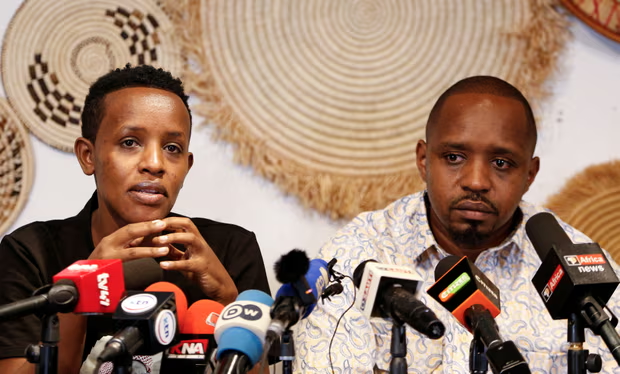


Two East African human rights activists have come forward with serious allegations of illegal detention and torture at the hands of Tanzanian authorities. Boniface Mwangi from Kenya and Agather Atuhaire from Uganda claim they were subjected to sexual violence and degrading treatment while visiting Tanzania in May to support an opposition politician. Their emotional revelations have sparked international concern and intensified scrutiny of Tanzania’s human rights record.


I. Shocking Allegations of Abuse
1. Detention Turns to Ordeal
Boniface Mwangi and Agather Atuhaire, both prominent activists, traveled to Dar es Salaam on 19 May to attend a court session for opposition figure Tundu Lissu. What began as a peaceful visit turned into a nightmare when individuals believed to be Tanzanian security personnel reportedly took them from their hotel. The activists allege they were illegally held, beaten, and sexually assaulted.
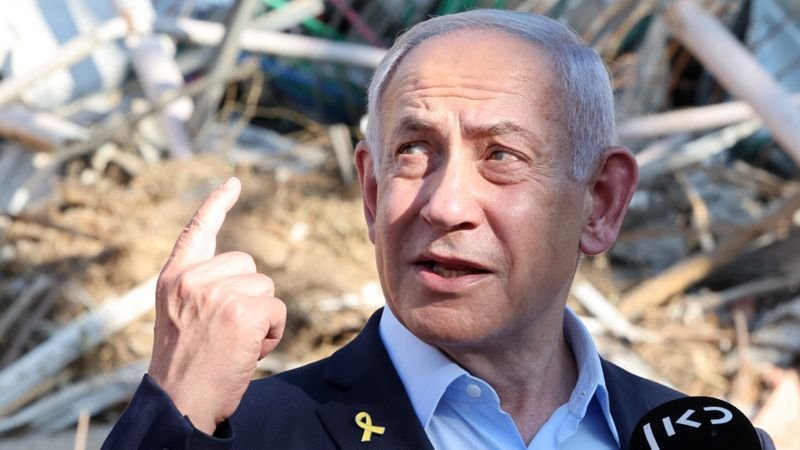
Mwangi, a renowned photojournalist, said he was physically attacked at an immigration office in front of witnesses, including Atuhaire and three attorneys. Later, at a police station, the two were accused of inciting unrest and attempting to destabilize the country. The violence escalated that evening when they were blindfolded, handcuffed, and transported to an unknown location.
2. Acts of Torture and Dehumanization
At the compound, both were forced to strip naked, suspended upside down, and beaten with wooden planks. Their mouths were gagged to muffle screams—Mwangi’s underwear was stuffed in his mouth, while Atuhaire’s was silenced with cloth. They also reported that their attackers, whom they described as intoxicated and aggressive, violated them with hands or objects. Atuhaire was further humiliated when feces were smeared on her body before they were photographed. After two days of abuse, they were dumped near their respective country borders.
II. Legal Response and Pursuit of Justice
1. Taking the Fight to Court
Both activists have vowed to seek legal redress not only in Tanzanian courts but also through regional and international legal frameworks, including the East African Court of Justice and the African Court on Human and Peoples’ Rights. “We won’t allow this to go unanswered,” Mwangi affirmed. Atuhaire emphasized the need to challenge the impunity that allowed such abuse to happen without provocation.
2. Government’s Reaction
While Tanzanian officials have yet to issue a direct response to these specific allegations, the country’s representative to the United Nations, Abdallah Possi, acknowledged the seriousness of the claims during a recent Human Rights Council meeting in Geneva. He stated that the government had launched an investigation and promised accountability if the allegations were substantiated.
III. Growing Concerns Over Tanzania’s Human Rights Climate
1. An Escalating Pattern of Repression
The allegations come amid a growing list of human rights violations in Tanzania. Over the past year, the country has seen multiple cases of abduction, torture, and extrajudicial killings. One particularly shocking case involved Mohamed Ali Kibao, a senior opposition party member, who was found murdered with acid burns on his face.
Another prominent case involved Father Charles Kitima, a Catholic priest known for advocating democratic reforms. He was violently assaulted in April. Additionally, two YouTube content creators were recently detained over their commentary on governance, accused of misusing social media.
2. Political Repression Intensifies
Despite previously being lauded for undoing some of her predecessor’s authoritarian policies, President Samia Suluhu Hassan’s administration has come under fire for reviving fear-driven governance. This regression is seen in the disqualification of opposition parties and the persecution of critics. The ruling Chama Cha Mapinduzi (CCM) party has maintained uninterrupted power since independence, and critics argue it is using repressive tactics to cling to that control.
IV. Foreigners Now in the Crosshairs
1. Regional Activists Now Targets
What sets this case apart is the nationality of the victims. Both Mwangi and Atuhaire are not Tanzanian citizens, marking a disturbing shift in the government’s crackdown. According to Tanzanian activist Maria Sarungi Tsehai, who now lives in self-imposed exile in Nairobi, this development suggests growing panic within Hassan’s administration ahead of the upcoming elections.
“This is an insecure presidential candidate leaning heavily on state security,” said Tsehai. “She doesn’t seem to want a fair election. She wants to secure her second term at any cost.”
Tsehai herself narrowly escaped a cross-border rendition in Kenya last year. Armed men abducted her, but the operation was halted after widespread attention on social media.
2. President Hassan’s Shift from Reformist to Repressor
President Hassan initially earned praise for her attempts to reconcile with opposition groups after taking office following John Magufuli’s death in 2021. However, hopes of lasting democratic reforms have faded. The recent arrest of Tundu Lissu and his party’s disqualification from elections underscore the shift. Critics now accuse Hassan of reading from the same “dictator’s manual” used by her predecessor.
V. Enduring Pain and Public Advocacy
1. Physical and Emotional Wounds
Mwangi and Atuhaire are still recovering from their injuries, both physical and emotional. The trauma of their experience continues to haunt them, but they remain determined to seek justice—not just for themselves, but for countless Tanzanians suffering similar abuse in silence.
“I never imagined experiencing this,” Mwangi said. “I’ve faced bombs, bullets, and beatings, but nothing prepared me for the cruelty in that room.”
Atuhaire, who was recognized with an International Women of Courage Award in 2023 by the U.S. State Department for her work in exposing corruption, emphasized that justice must outweigh shame. “We speak out not for attention, but because silence lets abusers win,” she stated.
2. A Call for International Accountability
Their story has already drawn regional and international attention, with rights organizations and watchdogs now demanding an independent investigation. Their courage in speaking out may serve as a turning point in galvanizing further scrutiny of Tanzania’s human rights record.
Conclusion
The horrifying accounts of Boniface Mwangi and Agather Atuhaire have cast a harsh light on Tanzania’s escalating repression. Their courage in revealing what they endured is not just a demand for personal justice—it is a plea to the global community to stand against impunity and abuse of power. As Tanzania approaches a critical political crossroads, the question remains: will the international pressure and internal resistance be enough to reverse the slide into authoritarianism?








