







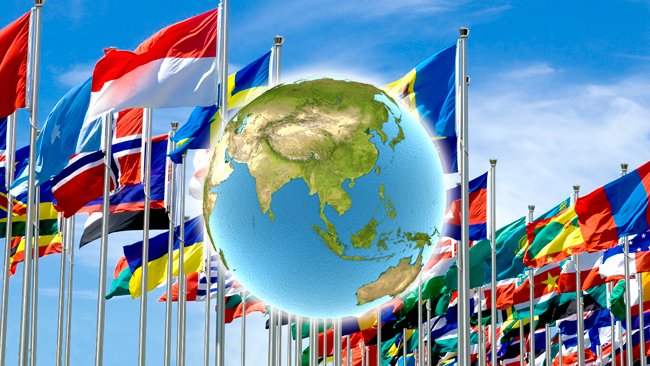


For decades, regions such as the Middle East, the Horn of Africa, the Balkans, and parts of South Asia have been mired in conflict—rooted in historical grievances, geopolitical rivalries, sectarian divisions, and colonial legacies. Amid the cycle of war, ceasefires, and fragile truces, the very idea of a lasting peace often seems utopian. Yet, if such peace were to materialize—an enduring, stable, and just cessation of conflict—its transformative impact on regional politics, society, and economy would be profound.

This essay explores what a lasting peace would mean for any conflict-ridden region. While the specific details may vary depending on geography, the general principles apply broadly: a stable peace offers opportunities to rebuild governance, reignite economic growth, restore social cohesion, foster regional cooperation, and enhance global stability.
I. Political Transformation and Governance Consolidation
One of the most immediate and significant consequences of lasting peace is the opportunity to consolidate effective, inclusive, and accountable governance. In conflict-ridden regions, state institutions are often weakened, fragmented, or captured by warlords and militias. A peace agreement that addresses root causes—not just the cessation of violence—creates a foundation for:
1. Institutional Rebuilding
Lasting peace allows post-conflict states to invest in governance structures that promote justice, representation, and the rule of law. This means reestablishing parliaments, courts, police, and civil administration, often with international support.
2. Democratization and Participation
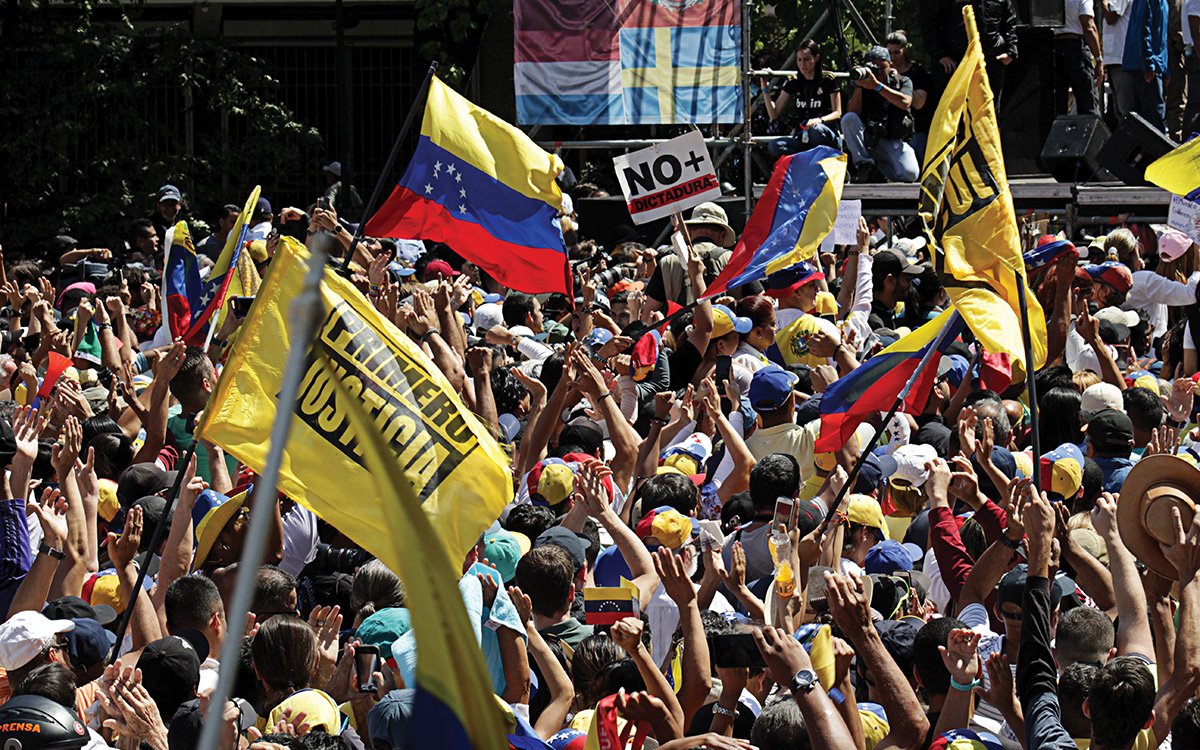
Peace can open political space for democratic participation. Free and fair elections, inclusive political dialogue, and protection of minority rights become more viable in a stable environment.
3. Decentralization and Power-Sharing
In many conflicts, power imbalances fuel grievances. Lasting peace often involves constitutional reforms that promote decentralization or federalism, giving autonomy to marginalized regions or ethnic groups.
4. Transitional Justice
Truth commissions, war crimes tribunals, and reconciliation processes are critical to ensure that past atrocities are acknowledged and that perpetrators are held accountable—restoring public trust in the state.
II. Economic Revival and Regional Integration
Wars destroy infrastructure, deplete resources, displace populations, and create deep uncertainty that deters investment. Peace flips that script, offering a unique chance for economic revival:
1. Infrastructure Reconstruction
A post-conflict peace dividend often begins with massive investment in reconstruction—roads, hospitals, schools, power grids, ports. These not only generate employment but also restore vital services.
2. Foreign Investment and Trade
Investors are far more likely to engage in a peaceful region. As security improves, countries can access international capital markets, attract foreign direct investment, and negotiate trade agreements that stimulate long-term growth.
3. Return of Human Capital
Conflict leads to brain drain, with skilled professionals fleeing war zones. Peace encourages diaspora return, boosting local capacities in medicine, education, technology, and public service.
4. Regional Economic Integration
Without war, regional economies can integrate more deeply. This leads to shared infrastructure projects, cross-border trade zones, and cooperative energy grids, creating interdependence that reinforces peace.
III. Social Healing and Cultural Renaissance
Peace is not merely the absence of war—it is the presence of justice, dignity, and social harmony. Long-term conflict tears the social fabric, creating trauma, mistrust, and division. Lasting peace enables the slow but vital process of healing societies.
1. Education and Reconciliation
Children can return to school, free from fear of violence. Curricula can shift from propaganda to peace education. Cultural institutions—museums, theaters, and libraries—can begin promoting shared narratives rather than divisive histories.
2. Mental Health and Trauma Recovery
War leaves deep psychological scars. Peace allows for widespread mental health efforts, including community counseling, support for veterans and survivors, and national days of remembrance or reconciliation.
3. Women and Youth Empowerment
Peace processes often include gender and youth dimensions, promoting inclusion. As violence ends, women and young people can more actively engage in public life, politics, and the economy—transforming societal roles and expectations.
4. Religious and Ethnic Harmony
While intercommunal tension may not disappear overnight, peace creates space for interfaith dialogue, minority protections, and shared civic projects that promote coexistence.
IV. Security Reconfiguration and Demilitarization
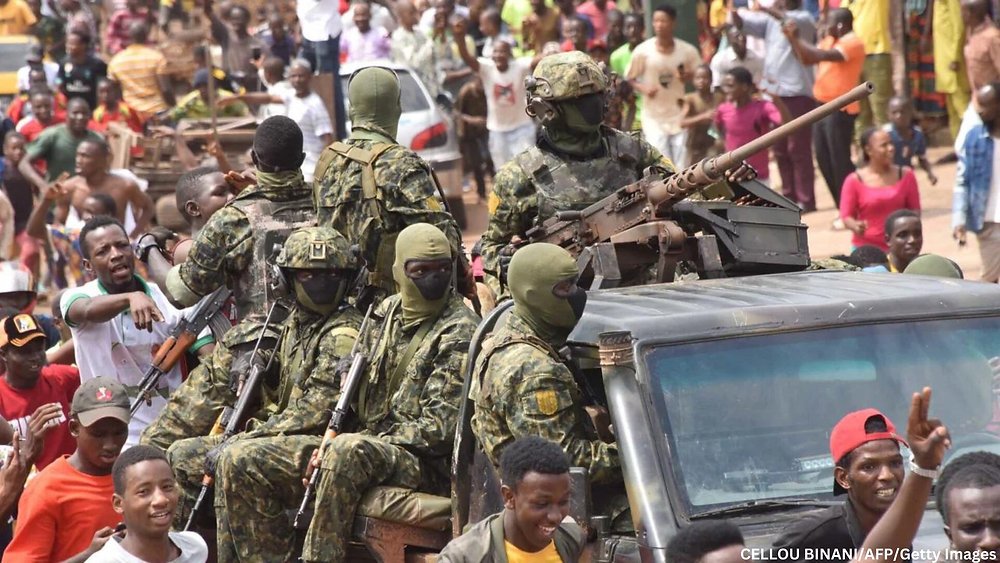
Regions emerging from conflict often face the complex challenge of transitioning from war economies and militarized societies to peaceful civilian rule.
1. Disarmament, Demobilization, and Reintegration (DDR)
Former combatants must be disarmed and reintegrated into civilian life through education, employment, and social support. DDR programs are vital to prevent a return to violence.
2. Security Sector Reform (SSR)
Lasting peace requires professional, accountable, and inclusive police and military forces. Rebuilding security institutions that serve all citizens is essential for long-term stability.
3. Border Security and Regional Cooperation
Peace agreements often include protocols for shared border management, anti-smuggling operations, and intelligence sharing to address cross-border threats.
4. Reducing Arms Proliferation
War leaves a surplus of weapons in civilian hands. Effective arms control mechanisms and community policing reduce the threat of criminality and militia resurgence.
V. Diplomatic Normalization and Global Standing
A peaceful region is a more credible and stable partner on the world stage. Lasting peace often facilitates:
1. Normalization of Diplomatic Ties
States that were once at war can reopen embassies, negotiate bilateral treaties, and collaborate in multilateral forums such as the UN or African Union.
2. Regional Peace Architectures
Peace creates opportunities for regional alliances, non-aggression pacts, and joint institutions like development banks, water-sharing commissions, or peacekeeping forces.
3. Positive International Engagement
Post-conflict countries can transition from being subjects of humanitarian crises to active participants in climate negotiations, trade forums, and scientific collaborations.
4. Soft Power and Cultural Exchange
Stability promotes tourism, film and music industries, and academic exchange—building national brands rooted in peace, resilience, and culture.
VI. Challenges in Maintaining Lasting Peace
While the benefits are vast, maintaining lasting peace is fraught with challenges:
-
Spoilers and Extremists may reject peace deals, launching insurgencies or terrorist campaigns.
-
Weak Institutions can lead to state failure, especially if corruption and exclusion persist.
-
Economic Inequality may resurface as a source of grievance if peace dividends are not equitably distributed.
-
External Interference from rival powers can reignite tensions.
-
Climate Change and resource scarcity can trigger new conflicts, especially in vulnerable post-war societies.
VII. Case Studies: Glimpses of Peace in Practice
1. The Balkans
After the horrors of the Yugoslav wars, the Balkans slowly rebuilt through EU integration, reconciliation processes, and economic recovery. Though tensions persist, the peace has largely held.
2. Rwanda
After the 1994 genocide, Rwanda focused on reconciliation, economic growth, and strong governance, becoming a model—albeit imperfect—of post-conflict recovery in Africa.
3. Colombia
Following the 2016 peace agreement with FARC, Colombia made strides in rural development, truth commissions, and transitional justice, although violence by other groups continues to challenge the process.
VIII. What Peace Would Mean for the Next Generation
The greatest impact of lasting peace is felt by those born after the guns fall silent. For children and youth:
-
Peace means not growing up amid bombings, displacement, or child soldiering.
-
Peace offers education, healthcare, opportunity, and hope.
-
Peace means freedom to imagine a future beyond survival—to dream, create, and build.
Peace breaks the cycle of generational trauma and creates the foundation for a new social contract rooted in dignity, justice, and shared prosperity.
IX. Conclusion: Building a Future Beyond War
Peace is not the end of a story; it is the beginning of a new chapter. The path to lasting peace is neither linear nor easy. It demands vision, courage, patience, and compromise. It requires addressing historical wounds, rebuilding institutions, and nurturing trust among enemies.
Yet, the rewards of peace are immeasurable. Where war leaves behind ruins, peace plants the seeds of rebirth. Where violence silences, peace allows voices to be heard. Where fear reigns, peace enables freedom.
For any region long wracked by war, a lasting peace would be nothing short of revolutionary—a transformative force that rewrites the narrative, not just for nations, but for generations.








