







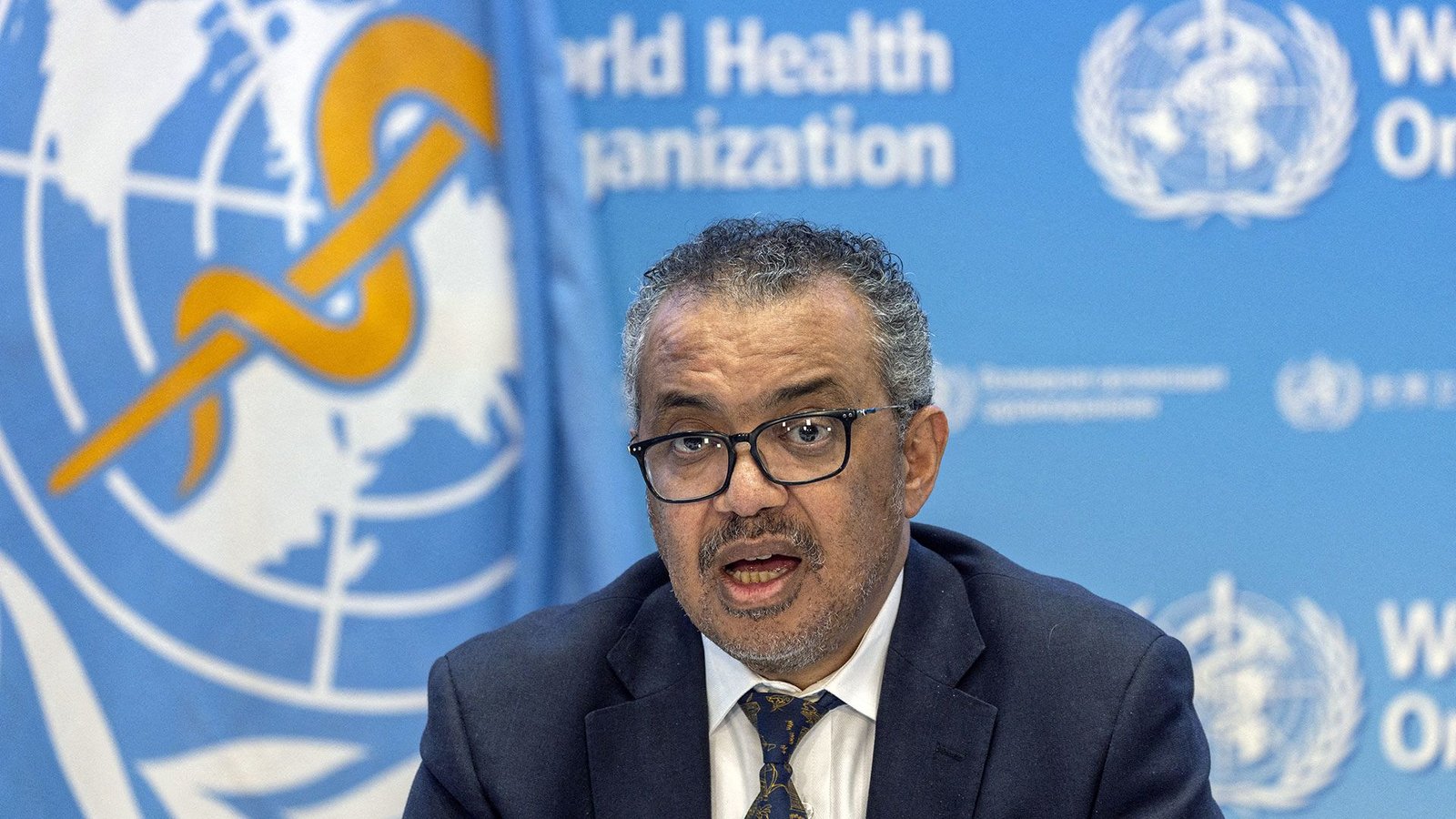

In a historic and much-anticipated declaration, the World Health Organization (WHO) has officially announced that the emergency phase of the COVID-19 pandemic is over. After more than three years of global disruption, loss, and unprecedented challenges, this statement marks a critical turning point in the world’s battle against the coronavirus.

The announcement does not suggest that COVID-19 has disappeared or that the risks have vanished. Instead, it signifies a shift in the global response—from an emergency crisis mode to long-term management and resilience. For billions of people, this milestone represents a sense of closure, cautious optimism, and an opportunity to rebuild societies, economies, and health systems.

1. Understanding the Announcement: What It Really Means
On May 5, 2023, WHO Director-General Dr. Tedros Adhanom Ghebreyesus declared that COVID-19 no longer constitutes a Public Health Emergency of International Concern (PHEIC). This status had been in place since January 30, 2020—one of the longest durations for any health emergency in the organization’s history.
A PHEIC is the highest level of alert that the WHO can issue. Removing this designation means:

-
COVID-19 is no longer considered an extraordinary event requiring coordinated international response.
-
Countries are expected to transition from emergency response to integrated disease control and management.
-
WHO will continue to monitor the virus and provide guidance but with less urgency and fewer emergency protocols.
2. The Global Context: Why Now?
The decision to end the emergency phase was based on several key factors:
a. Decline in Severe Cases and Deaths
Global death rates from COVID-19 have dropped significantly due to:
-
Widespread vaccination campaigns
-
Increased population-level immunity through infection and immunization
-
Improved treatments and hospital protocols
b. Stabilization of Health Systems
While some countries still face strain, most health systems are no longer overwhelmed by COVID-19 patients. ICU occupancy and emergency care pressures have returned to pre-pandemic norms in many regions.
c. Reduced Transmission Rates
Although the virus continues to circulate, especially in urban and highly mobile populations, the transmission rate has declined globally, and new variants have become less severe.
d. Preparedness and Tools
The world now has a robust set of tools to manage the virus:
-
Vaccines and boosters
-
Antiviral drugs
-
Rapid diagnostic tests
-
Public health infrastructure and surveillance
3. Reflections on the Pandemic’s Toll
As the emergency phase ends, it’s vital to remember the human, economic, and social costs of the pandemic:
-
Over 7 million reported deaths, with actual estimates likely much higher.
-
Disruption of education for 1.6 billion students globally.
-
Collapse of entire industries, especially tourism, entertainment, and small businesses.
-
Widespread mental health crises, domestic violence increases, and social isolation.
-
Healthcare systems pushed to the brink, with exhausted frontline workers and delayed care for non-COVID conditions.
This collective trauma has left a deep imprint on societies, shaping perceptions of health, government trust, science, and global cooperation.
4. WHO’s Evolving Role and Strategy
Though the emergency declaration is over, WHO continues to play a vital role. The organization has outlined a long-term COVID-19 management plan focusing on five core components:
a. Surveillance and Variant Tracking
Monitoring the evolution of SARS-CoV-2 remains a top priority. The emergence of new, more dangerous variants is still possible, and genomic surveillance will be crucial.
b. Vaccination Campaigns
WHO encourages countries to integrate COVID-19 vaccines into routine immunization schedules, especially for vulnerable groups like the elderly, immunocompromised, and healthcare workers.
c. Emergency Preparedness
The end of one pandemic signals the need to prepare for the next. Strengthening public health systems, stockpiling essential supplies, and improving data systems are now urgent.
d. Global Equity
Addressing disparities in vaccine access, healthcare quality, and medical technology between high-income and low-income countries is essential to avoiding future humanitarian crises.
e. Combatting Misinformation
The infodemic—misinformation and conspiracy theories surrounding COVID-19—proved as dangerous as the virus itself. WHO plans to combat health-related misinformation in collaboration with digital platforms.
5. Global Reactions: Relief, Reflection, and Readiness
a. Public Sentiment
People across the world have responded with mixed emotions:
-
Relief and gratitude that the worst appears to be over.
-
Grief for those lost or permanently affected.
-
Skepticism and concern about potential complacency.
In many countries, symbolic changes followed the announcement: mask mandates lifted, final restrictions removed, and memorial events held.
b. Governments and Health Ministries
Some governments had already moved on from emergency measures prior to the WHO announcement. Others used the declaration to:
-
Phase out special pandemic budgets
-
Close temporary testing or isolation centers
-
Reassign pandemic task forces
The shift now allows governments to reallocate resources toward broader health goals, including neglected tropical diseases, maternal health, and mental health.
c. Healthcare Workers
For medical professionals, this announcement is bittersweet. The recognition of the end of the emergency phase offers closure, but also raises concerns about long-term burnout, mental health consequences, and the urgent need for systemic reform.
6. Long COVID and Ongoing Health Concerns
One major aspect that remains unresolved is Long COVID—a condition affecting an estimated 10–20% of those who have contracted the virus. Symptoms include:
-
Chronic fatigue
-
Brain fog
-
Respiratory and cardiovascular problems
-
Depression and anxiety
The WHO has called on governments and researchers to treat Long COVID as a public health priority, allocating resources to research, treatment programs, and disability support.
7. Economic and Social Recovery
With the emergency phase over, countries are shifting toward rebuilding economies and addressing inequalities that the pandemic exposed and exacerbated.
a. Labor Market Recovery
Many workers lost jobs or left the workforce due to illness, caretaking responsibilities, or burnout. Governments are now focusing on reskilling, wage recovery, and workforce resilience.
b. Education System Restoration
Restoring education for millions of children and students whose schooling was disrupted is a monumental task. Bridging the digital divide and addressing learning loss will define the next decade.
c. Mental Health Services
Demand for mental health support has surged, yet access remains inadequate in many regions. Post-pandemic health systems must prioritize psychological well-being and expand mental health services.
8. Lessons Learned and Global Health Reform
The COVID-19 pandemic revealed both the strengths and failures of global health governance. Key lessons include:
-
Early detection and transparency are vital. Delays in reporting and reluctance to share data worsened outcomes.
-
Equity must be non-negotiable. Vaccine hoarding by wealthier nations created tragic consequences in the Global South.
-
Global cooperation saves lives. When countries work together—on science, funding, logistics—the impact of a pandemic can be minimized.
-
Misinformation is deadly. Public health responses must integrate communication strategies that build trust and combat falsehoods.
WHO, in collaboration with member states, is now pursuing a Pandemic Accord to better prepare for future health threats.
9. The Future of COVID-19: Endemic, Not Eliminated
Although the emergency phase is over, COVID-19 is here to stay—likely in an endemic form. This means it will continue to circulate seasonally or in waves, much like influenza.
Key future trends include:
-
Booster vaccinations offered annually or seasonally for vulnerable populations.
-
Outbreak management protocols triggered in response to local surges.
-
Combined testing for flu, RSV, and COVID in clinical settings.
-
Vaccine innovation, including nasal sprays and pan-coronavirus vaccines.
Living with COVID-19 means balancing risk with normalcy—adapting without returning to emergency mode.
10. Conclusion: An End and a Beginning
The WHO’s declaration marks a historical moment in the 21st century, one that will define how the world understands health security, resilience, and solidarity. Ending the emergency phase does not mean the end of vigilance. Rather, it is a transition into sustained management, driven by science, equity, and community action.
This moment calls for celebration—but also commitment. To honor the lives lost and the lessons learned, the global community must:
-
Invest in universal health coverage
-
Support vulnerable nations and populations
-
Strengthen international cooperation
-
Prepare for the unknown
The world has changed. The virus reshaped the way we live, work, travel, and care for one another. With the emergency over, humanity has an opportunity—not just to recover—but to build a better, more equitable global health future.








