









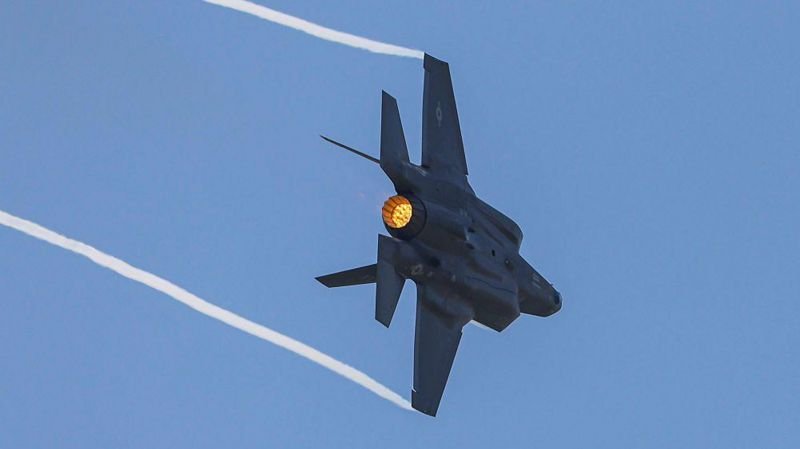
As tensions mount between Israel and Iran, and with former U.S. President Donald Trump reportedly weighing possible military action alongside Israel, a new dynamic has emerged on the global diplomatic stage. China and Russia have positioned themselves as stabilizing forces, calling for de-escalation and urging restraint. This approach is part of a broader effort by both nations to challenge U.S. dominance and reshape the global order in their favor.

I. China and Russia Unite on De-Escalation in the Middle East
On Thursday, Chinese President Xi Jinping and Russian President Vladimir Putin held a phone conversation that highlighted their joint stance on the escalating conflict in the Middle East. According to the Kremlin, both leaders condemned Israel’s actions, framing them as violations of the United Nations Charter and other international laws. While this condemnation may seem hypocritical given Russia’s own violations in Ukraine, it reflects a shared diplomatic goal: to present themselves as rational actors while questioning U.S. involvement.
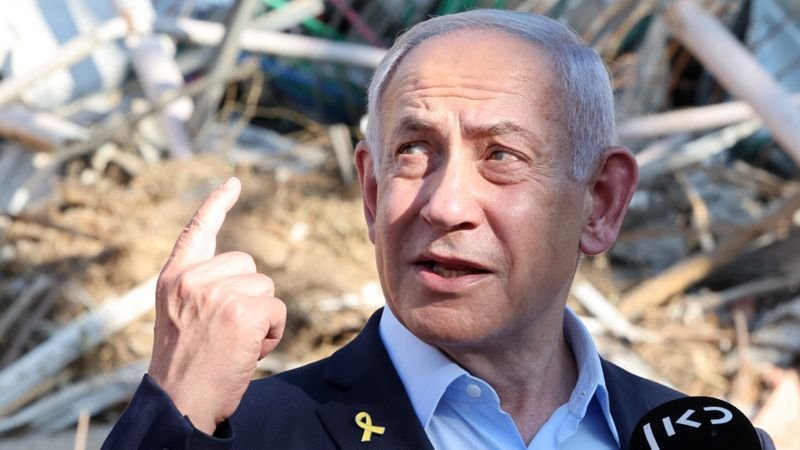
In contrast to the Kremlin’s harsher tone, Beijing’s official readout struck a more cautious note. Xi stopped short of condemning Israel outright but emphasized the urgent need for a ceasefire, particularly calling on Israel to halt its military actions. His statement included a veiled jab at Trump, warning that “major powers” should work to “cool the situation, not the opposite.”
II. A Diplomatic Opportunity Amid Chaos
1. Beijing and Moscow’s Longstanding Critique of U.S. Policy
For years, China and Russia have criticized the United States’ foreign policy in the Middle East, accusing it of fueling instability. The Iran-Israel standoff, especially with Trump contemplating deeper involvement, has given Beijing and Moscow another chance to reinforce that narrative. Chinese scholars have also weighed in, arguing that Trump’s chaotic and transactional approach to the region has eroded American credibility.
Liu Zhongmin, a Middle East specialist at Shanghai International Studies University, suggested that the unpredictability of Trump’s leadership has diminished the U.S.’s ability to influence its allies or deter adversaries. In state media, Liu wrote that the U.S. has lost both prestige and strategic consistency in the region, leaving a void that China and Russia are eager to fill.
2. Trump’s Shift Away from Indo-Pacific Strategy
The prospect of Trump pulling the U.S. into yet another prolonged Middle Eastern conflict contradicts his administration’s original foreign policy goal of pivoting toward the Indo-Pacific to counter China. Five months into his second term, however, the U.S. remains entangled in the wars in Ukraine and Gaza, with a new conflict on the horizon.
For Beijing, an expanded war involving Iran—a key regional partner—would be unwelcome. Iran plays a critical role in counterbalancing U.S. influence in the Middle East, aligning with China’s broader goals of creating a multipolar world.
III. China’s Deepening Ties with Iran and the Region
1. Strategic Partnerships and Economic Investments
China and Iran have steadily developed a strong strategic relationship over the years. Iran is a major oil supplier to China and plays a key role in China’s Belt and Road Initiative (BRI). The country’s location near the Gwadar port in Pakistan and the Strait of Hormuz makes it a vital transit and energy route for Chinese interests.
Diplomatically, China has backed Iran at the United Nations and helped foster closer regional alliances. Notably, in 2023, Beijing facilitated a surprise rapprochement between Iran and Saudi Arabia—long-time regional rivals. This diplomatic breakthrough signaled China’s ambition to play a larger role in Middle Eastern affairs.
2. Military and Multilateral Cooperation
Iran has also engaged in joint naval exercises with China and Russia, reinforcing trilateral security cooperation. Beijing supported Tehran’s inclusion in both the Shanghai Cooperation Organization and BRICS, institutions spearheaded by China and Russia to challenge Western-led global governance.
These moves underscore China’s broader goal: to position itself not just as a global economic power, but also as a geopolitical stabilizer offering alternatives to Western interventionism.
IV. China’s Role as a “Peace Broker”: Symbolism vs. Substance
1. Diplomatic Rhetoric vs. Concrete Action
In their recent call, Xi Jinping presented a four-point plan for de-escalation. This included resolving Iran’s nuclear issue through dialogue and ensuring civilian safety. Foreign Minister Wang Yi has also been actively engaging regional leaders in Israel, Iran, Egypt, and Oman in a flurry of diplomatic communications.
Despite these efforts, the effectiveness of China’s peacemaking remains uncertain. Past attempts—such as dispatching a special envoy during the early stages of the Gaza conflict—produced little tangible progress. While China promotes itself as a neutral mediator, its lack of political and military clout in the Middle East limits its ability to enforce peace deals or shape on-the-ground realities.
2. Contradictions in China’s Peace Narrative
Although China consistently portrays itself as a responsible global actor, its actions in other conflicts suggest otherwise. In Ukraine, Beijing has refrained from condemning Russia’s invasion and continues to provide economic support, blurring the line between neutrality and tacit endorsement.
This inconsistency raises questions about China’s credibility as an impartial mediator, especially in a region as complex and volatile as the Middle East. Still, symbolic diplomacy may be enough to achieve Beijing’s short-term objectives: reinforcing its narrative of U.S. decline and positioning itself as a global peacemaker.
V. The Global South’s Perspective: Reimagining Global Leadership
1. Challenging U.S. Hegemony
China and Russia’s efforts to mediate the Iran-Israel conflict are also aimed at audiences in the Global South, where skepticism toward Western interventionism remains high. By portraying themselves as rational actors advocating peace and stability, Beijing and Moscow hope to win hearts and minds in developing nations that are increasingly wary of aligning solely with the U.S.-led order.
This diplomatic posturing gains even more traction as trust in American leadership continues to erode under Trump’s second term. From policy inconsistency to deteriorating alliances, Washington’s ability to act as a global leader is being called into question.
2. A Symbolic Victory for Beijing?
Even if Beijing fails to broker a lasting peace, simply appearing as a voice of reason amid chaos could offer soft power benefits. For a country keen on expanding its global influence, the optics of responsibility and restraint are powerful tools—especially in contrast to the unpredictability of U.S. foreign policy.
Conclusion: A Battle of Narratives, Not Just Nations
The phone call between Xi Jinping and Vladimir Putin represents more than just a diplomatic gesture. It is part of a broader strategy to reshape the narrative around global power and leadership. As the Middle East braces for further escalation, China and Russia are seizing the opportunity to challenge U.S. dominance—not through direct confrontation, but by presenting themselves as responsible, peace-seeking alternatives.
Whether these efforts yield meaningful results on the ground remains uncertain. However, the symbolic gains—particularly in the eyes of the Global South—could prove strategically valuable. In a world where perception increasingly shapes reality, the battle for influence is no longer just about military might, but about who gets to claim the moral high ground.








