




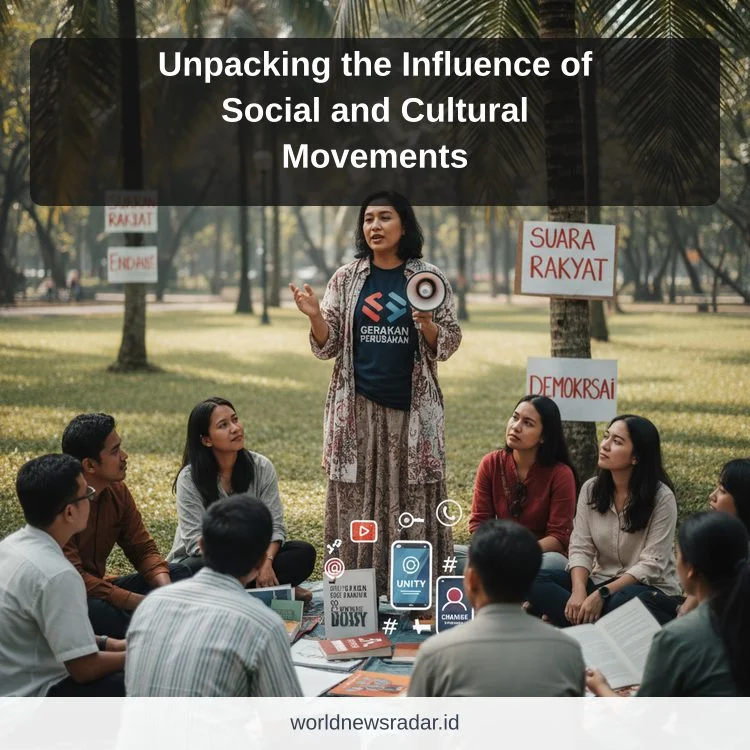
In an increasingly interconnected world, where information travels at the speed of light, understanding the forces that shape our societies is more crucial than ever. From the streets of major capitals to the quiet corners of rural communities, social and cultural movements are constantly at play, challenging norms, advocating for change, and ultimately redefining the landscape of human interaction. This article delves deep into the profound impact these movements have on our daily lives, influencing everything from politics and economics to technology and our very identity. As you navigate the complex tapestry of world news, it becomes evident that movements like #MeToo, Black Lives Matter, and climate activism are not isolated incidents but rather powerful currents driving the global conversation. We will explore how these movements emerge, gain momentum, and ultimately leave an indelible mark on history, providing insights into their mechanisms and their undeniable sway over public opinion and policy-making. This exploration is essential for anyone seeking to comprehend the true dynamics behind the headlines and the evolving narratives that define our contemporary world.


The Genesis of Social and Cultural Movements: Seeds of Change
Social and cultural movements often begin as a response to perceived injustices, inequalities, or a shared sense of discontent among a segment of the population. These nascent stirrings can be sparked by a singular event, a long-standing grievance, or a confluence of factors that reach a tipping point. Consider the Civil Rights Movement in the United States, which, while built on centuries of racial injustice, gained significant momentum following events like the Montgomery Bus Boycott in 1955. Rosa Parks’ courageous act, though seemingly small, ignited a fire that had been smoldering for decades, galvanizing a community and sparking nationwide protests. Similarly, the Arab Spring, a series of anti-government protests, uprisings, and armed rebellions that spread across much of the Arab world in the early 2010s, was often traced back to the self-immolation of Mohamed Bouazizi in Tunisia, a street vendor protesting police harassment and corruption. These initial sparks, amplified by shared grievances and increasingly, by digital communication tools, can rapidly evolve into well-organized movements with clear objectives and a powerful collective voice. Understanding this genesis is key to grasping how seemingly disparate events can coalesce into a formidable force for change.

Amplifying Voices: The Role of Media and Technology
The modern era has undeniably reshaped how social and cultural movements communicate, organize, and exert influence. The advent of the internet, social media platforms, and rapid global connectivity has provided unprecedented tools for activists and ordinary citizens to amplify their voices and reach audiences far beyond traditional geographical boundaries. Think of the #MeToo movement, which gained global traction through the simple yet powerful hashtag on platforms like Twitter and Facebook. Victims of sexual harassment and assault, who might have otherwise remained silent, found solidarity and courage in the shared experiences of others. This digital amplification not only raises awareness but also applies immense pressure on institutions and public figures to address systemic issues. For instance, the extensive coverage by reputable news outlets, akin to what you’d find in a high-quality newspaper or through online news platforms like the BBC News, often picks up on these digital trends, further legitimizing and broadening the reach of a movement’s message. Social media has become a powerful double-edged sword, enabling rapid mobilization and information dissemination, but also posing challenges related to misinformation and polarization. Nevertheless, its role in the contemporary landscape of social movements is undeniable and transformative.
Shaping Public Discourse: From Fringe to Mainstream
One of the most significant impacts of social and cultural movements is their ability to shift public discourse, taking issues once considered niche or unconventional and bringing them into the mainstream. This transformation is crucial for achieving broader societal acceptance and policy changes. Consider the environmental movement, initially dismissed by some as the concern of a small group of activists. Through sustained protests, scientific advocacy, and powerful narratives, movements like Extinction Rebellion and Fridays for Future have forced climate change to the forefront of global political agendas. The extensive coverage in a daily news cycle, whether through traditional newspapers or diverse online news sources, plays a pivotal role in this shift. When a topic consistently appears in your daily news feed or is highlighted by respected news organizations, it becomes harder for the public and policymakers to ignore. Movements often employ compelling storytelling, visual protests, and direct action to capture media attention and frame their issues in a way that resonates with a wider audience, thereby transforming public perception and making their demands undeniable. This strategic communication is vital for moving an issue from the periphery to the center of societal debate.
Policy Impact and Legislative Change: From Protest to Law
Ultimately, many social and cultural movements aim to translate their collective outrage and demands into tangible policy changes and legislative reforms. This is where the rubber meets the road, as sustained pressure, public awareness, and political engagement converge to influence governmental action. The LGBTQ+ rights movement, for example, through decades of advocacy, protests, and legal challenges, has brought about monumental shifts in legislation across many countries, including the legalization of same-sex marriage and protections against discrimination. This wasn’t an overnight phenomenon; it was the result of persistent efforts, often highlighted by comprehensive reporting in newspaper publications and 24/7 coverage from online news platforms. Another powerful illustration is the gun control movement in the United States, which, following tragic school shootings like those at Parkland, intensified its calls for stricter regulations, leading to some legislative changes at state levels and renewed national dialogue. The influence of public sentiment, often shaped by these movements, can sway elections, put specific issues firmly on the political agenda, and compel lawmakers to respond to the evolving needs and demands of their constituents. The interplay between grassroots activism and legislative bodies is a dynamic and often prolonged dance, but its outcomes can fundamentally alter the legal and social fabric of a nation. Monitoring these developments, often reported by prominent outlets like BBC News, allows us to track the tangible effects of social movements on governance.

Economic and Business Repercussions: Beyond the Social Sphere
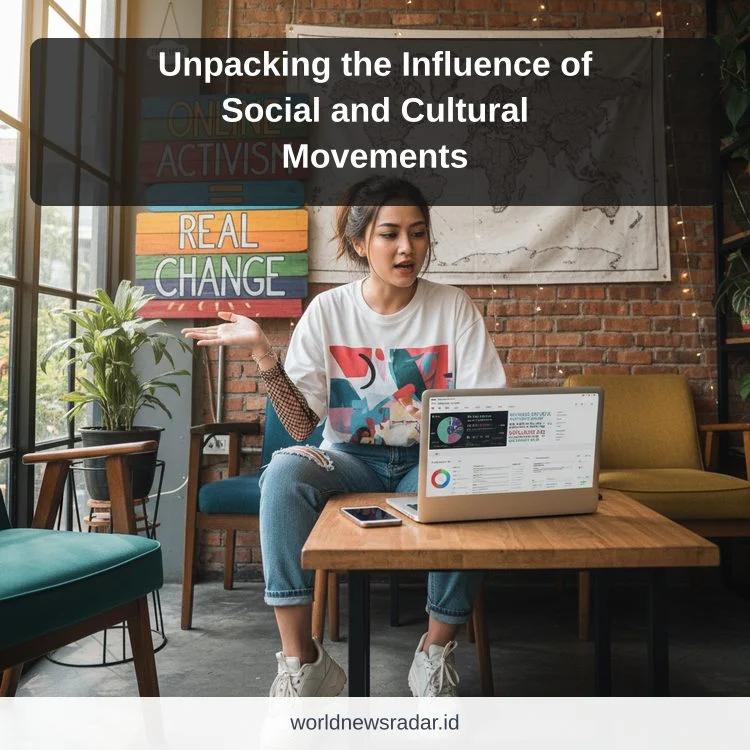
The influence of social and cultural movements extends far beyond the traditional realms of politics and social justice, profoundly impacting global economics and business practices. Consumer behavior, investor sentiment, and corporate social responsibility (CSR) are increasingly shaped by the values and demands championed by these movements. For instance, the growing awareness around climate change, fueled by environmental activism, has spurred a significant shift towards sustainable investing and green technologies. Companies are now under immense pressure from consumers and shareholders alike to adopt environmentally friendly practices, reduce their carbon footprint, and be transparent about their supply chains. Brands that fail to align with these evolving social expectations risk boycotts, reputational damage, and financial losses. The “woke capitalism” phenomenon, where businesses actively embrace social justice causes, is a direct response to this shift in consumer values. Employees, particularly younger generations, are also seeking employment with companies that demonstrate a strong ethical compass and a commitment to social impact. This trend, often reported in business sections of a reliable newspaper or via financial online news sources, forces businesses to re-evaluate their operational models, marketing strategies, and corporate governance to remain relevant and competitive in a socially conscious marketplace. The pressure to divest from fossil fuels, for example, driven by climate movements, has led to significant shifts in investment portfolios globally, illustrating the pervasive economic reach of these social currents.
Culture and Identity: Redefining Who We Are
Perhaps one of the most profound and subtle impacts of social and cultural movements lies in their ability to reshape collective identity and cultural norms. These movements challenge existing narratives, introduce new perspectives, and encourage a re-evaluation of what is considered acceptable, moral, or simply conventional. The feminist movement, spanning centuries and multiple waves, has fundamentally altered perceptions of gender roles, equality, and women’s place in society. What was once considered “women’s work” or “men’s work” has been significantly deconstructed, opening up opportunities and challenging stereotypes across various sectors. Similarly, movements advocating for disability rights have pushed for greater inclusivity, accessibility, and a fundamental shift in how society views and interacts with individuals with disabilities. These changes are not just about laws; they are about deeply ingrained cultural attitudes and beliefs. The continuous dialogue and evolving understanding, often facilitated by thoughtful discussions in world news analyses or cultural commentary pieces, contribute to a dynamic renegotiation of identity. They prompt individuals to question their own biases, expand their empathy, and embrace a more inclusive understanding of themselves and others within the broader societal fabric. This constant evolution ensures that culture is not static but rather a fluid entity, continually shaped and redefined by the collective consciousness of its members. The impact of these shifts is often subtle but pervasive, changing the very fabric of daily life and interpersonal relations.
Navigating the Information Sphere: Critical Engagement with Movements
In an age saturated with information, critically engaging with social and cultural movements and the narratives they present is paramount. As readers of daily news, it is essential to cultivate a discerning eye, evaluating the sources, motivations, and potential implications of various movements. Understanding the different facets of a movement, beyond the headlines, allows for a more nuanced perspective. This means looking beyond soundbites and viral content to delve into the stated goals, organizational structures, and historical context of a movement. For instance, when encountering reports on a protest, consider not just the images and immediate reactions, but also the underlying issues that drive the participants and the broader systemic problems they are attempting to address. Cross-referencing information from various reputable sources, including traditional newspaper reports, in-depth analyses from online news platforms, and even academic research, can provide a more comprehensive picture. Be aware of filter bubbles and echo chambers, which can limit exposure to diverse viewpoints. Engaging critically also involves understanding the potential for manipulation or misrepresentation within movements, as well as recognizing the constructive role they play in holding power accountable and advocating for marginalized voices. This proactive and analytical approach ensures that one is not merely a passive consumer of information, but an active participant in understanding the complex dynamics of societal change. This critical framework is particularly important when digesting fast-paced developments reported by major outlets like BBC News, ensuring a balanced perspective.
The Future of Movements: Adaptability in a Digital Age
The landscape of social and cultural movements is continuously evolving, demonstrating remarkable adaptability in response to global challenges and technological advancements. As we look to the future, it’s clear that these movements will continue to leverage innovative strategies to achieve their objectives. The integration of artificial intelligence and advanced data analytics, for example, could offer new ways for movements to identify key demographics, tailor messaging, and predict societal trends, making their advocacy even more targeted and effective. Virtual reality and augmented reality might also offer immersive experiences for raising awareness, allowing individuals to “walk in someone else’s shoes” and fostering deeper empathy for specific causes. However, alongside these opportunities, challenges such as digital censorship, the spread of deepfakes, and sophisticated disinformation campaigns will also intensify. Movements will need to develop robust strategies to counter these threats, focusing on digital literacy, fact-checking, and building resilient online communities. The emphasis on intersectionality—recognizing that various social and political identities combine to create unique modes of discrimination and privilege—will likely grow stronger, leading to movements that are more inclusive and holistic in their approach. Furthermore, the global nature of modern problems, from pandemics to climate change, means that trans-border movements will become even more crucial, requiring enhanced international collaboration and solidarity. For those who follow world news, witnessing these adaptations firsthand will be a constant reminder of the dynamic nature of human collective action and its pervasive influence on the unfolding global narrative. The resilience and ingenuity of these movements will continue to shape our collective future, pushing the boundaries of what is possible and challenging us to envision a more equitable and sustainable world. The ongoing developments reported in any reliable newspaper or via comprehensive online news services will undoubtedly chronicle these shifts, providing crucial insights into the evolving power of collective human endeavor.
Conclusion
Social and cultural movements are not fleeting phenomena but indispensable engines of change that continually shape our collective future. From their initial sparks of discontent to their profound impact on policy, economics, and identity, these movements reflect humanity’s persistent drive for justice, equality, and progress. As we consume daily news and observe the global landscape, it’s crucial to recognize the power of collective action in challenging established norms and fostering societal evolution. Understanding their mechanisms, their use of media and technology, and their long-term repercussions is essential for any informed citizen seeking to comprehend the true dynamics of our modern world. Therefore, remaining engaged and critically informed about these movements, as reported by outlets ranging from local newspapers to international platforms like BBC News, is paramount. By doing so, we not only gain insight into the world around us but also empower ourselves to contribute meaningfully to the ongoing conversation and the journey towards a more equitable and just society.
{“@context”:”https://schema.org”,”@type”:”Article”,”headline”:”Unpacking the Influence of Social and Cultural Movements”,”description”:”world news — In an increasingly interconnected world, where information travels at the speed of light, understanding the forces that shape our societi…”,”datePublished”:”2026-06-08T01:54:47.580Z”,”dateModified”:”2026-06-08T01:54:47.580Z”,”author”:{“@type”:”Organization”,”name”:”worldnewsradar.id”,”url”:”https://worldnewsradar.id”},”publisher”:{“@type”:”Organization”,”name”:”worldnewsradar.id”,”url”:”https://worldnewsradar.id”},”image”:[“https://worldnewsradar.id/wp-content/uploads/2026/06/autoartikel-1780883677.webp”]}