







A prominent cybercriminal collective known as Scattered Spider has launched a fresh wave of cyberattacks, this time zeroing in on the aviation sector. According to alerts from the FBI and cybersecurity experts assisting with the ongoing investigations, the group has successfully infiltrated the computer systems of multiple airlines across the United States and Canada during the month of June. While flight safety has not been compromised, the attacks have triggered heightened vigilance among cybersecurity leaders at major carriers.


The incident highlights the aviation industry’s increasing vulnerability to cyber threats, particularly during high-demand travel periods. Following previous attacks on the insurance and retail sectors, this is the third major industry Scattered Spider has targeted in just two months.

I. Aviation Industry Under New Cyber Siege
1. Airline IT Systems Breached, But Safety Remains Intact
Though the recent hacks did not interfere with flight operations or passenger safety, they have raised alarm bells due to the reputation of Scattered Spider. The group is infamous for using aggressive extortion tactics and data breaches to damage reputations or secure payouts. In its statement, the FBI confirmed that the hackers “steal sensitive data for extortion and often deploy ransomware” after infiltrating their victims’ networks.
According to the FBI, the attacks focused not only on airline companies themselves but also extended to their IT service providers and contractors, potentially placing the entire aviation supply chain at risk.

2. Airlines Begin Damage Assessments
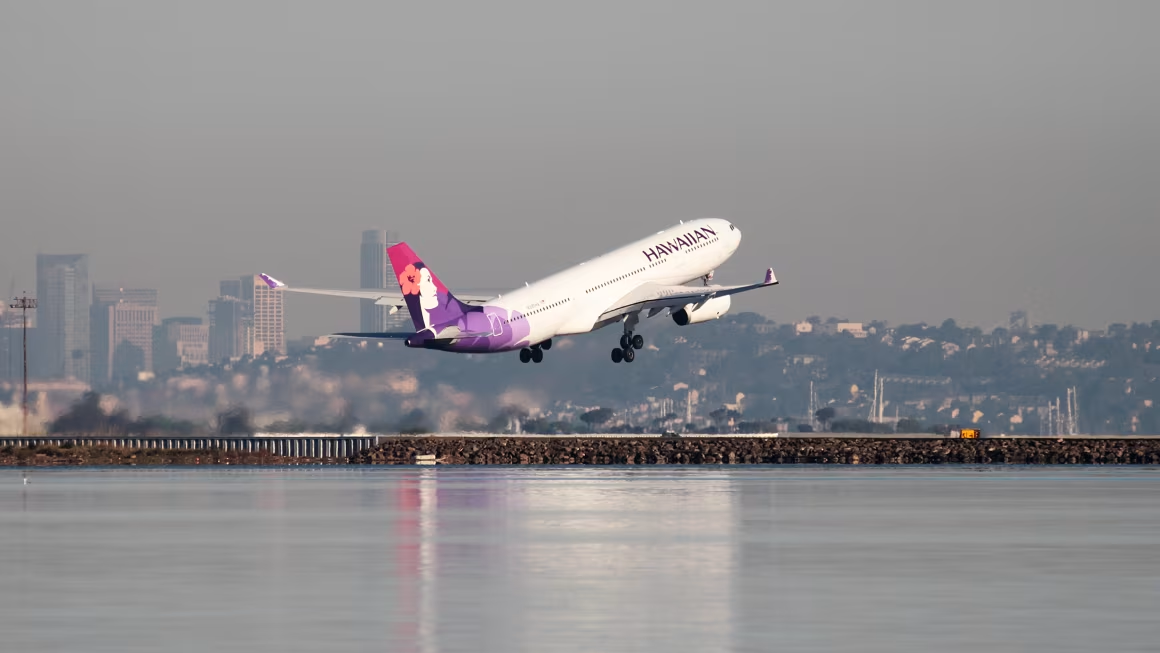
Among the first affected were Hawaiian Airlines and Canada’s WestJet, both of which acknowledged ongoing assessments of cybersecurity incidents. Though neither airline identified Scattered Spider by name, investigators familiar with the matter have confirmed the group’s involvement.
WestJet reported disruptions beginning approximately two weeks ago, noting limited access to internal services and its customer app. Despite the breaches, both WestJet and Hawaiian Airlines maintained normal flight operations, a testament to robust contingency planning and segmented network structures.
II. Scattered Spider’s Evolving Tactics and Targets
1. A Pattern of Sector-Based Targeting
Scattered Spider has gained notoriety by targeting specific industries in waves. In September 2023, the group was connected to devastating attacks on Las Vegas giants MGM Resorts and Caesars Entertainment, resulting in millions in damages. In early 2024, the group pivoted to the insurance sector, including a cyberattack on Aflac that reportedly exposed sensitive personal data like Social Security numbers and medical claims.
Before hitting the airline industry, Scattered Spider also launched campaigns against retail corporations, including companies under the Ahold Delhaize USA umbrella, which owns Food Lion and Giant supermarkets.
2. Social Engineering Through Help Desks
One of Scattered Spider’s preferred infiltration methods involves social engineering—specifically, posing as employees or customers when contacting corporate help desks. By exploiting human trust, the hackers gain initial access to internal systems and then escalate their privileges.
This approach is particularly concerning in the airline industry, where call centers are vital for customer support. According to cybersecurity expert Aakin Patel, formerly with Las Vegas’ main airport, these support centers make ideal entry points for cybercriminals because of their access to sensitive backend systems.
III. Response and Recovery in the Aviation Ecosystem
1. Industry-Wide Coordination and Monitoring
The aviation sector has responded swiftly to the threat. The Aviation Information Sharing and Analysis Center (Aviation ISAC), a cybersecurity intelligence-sharing body for the industry, confirmed that its members are on high alert. President Jeffey Troy noted that companies are now bracing for both financially motivated attacks and potential geopolitical spillover from global tensions.
The FBI, in collaboration with private firms like Google-owned Mandiant, is actively supporting incident response and recovery efforts. These include bolstering the defenses of airline customer support systems and reviewing internal network segmentation to prevent future breaches.
2. Collateral Damage Beyond Airlines
The cybersecurity threat isn’t limited to airlines alone. As Scattered Spider tends to target entire ecosystems, vendors, software providers, and even airport service companies could be next. Experts warn that even organizations with indirect ties to airline operations may become victims, either through direct attacks or supply chain compromise.
“Airlines rely on a web of third-party service providers,” said one senior investigator. “Once attackers gain access to one point in the chain, it can be leveraged to access larger targets.”
IV. Broader Implications for Corporate Cybersecurity
1. The Need for Vigilant Help Desk Security
The repeated success of social engineering tactics underscores a critical weak point in corporate security infrastructure: the human factor. Help desk personnel, often under pressure to resolve issues quickly, may inadvertently give hackers access to privileged systems.
Training staff to identify suspicious behavior, requiring multi-factor authentication, and using zero-trust architecture are just a few measures companies must adopt to prevent exploitation through support channels.
2. Cyber Resilience as a Competitive Advantage
With high-profile incidents now becoming routine, cyber resilience is no longer optional. Industries that rely heavily on digital infrastructure, such as aviation, must invest in disaster recovery plans, segmented networks, and real-time monitoring.
Companies that emerge relatively unscathed from such attacks—thanks to preparedness—are likely to gain both customer trust and regulatory favor. As Patel pointed out, uninterrupted operations at WestJet and Hawaiian Airlines may signal not luck, but “solid planning and internal safeguards.”
Conclusion: Aviation Becomes the New Cyber Battleground
The cyberattacks linked to Scattered Spider are yet another reminder that no industry is immune to digital threats. What began as criminal campaigns against entertainment and insurance companies has now evolved into a full-fledged assault on aviation—a sector where even minor disruptions can have global ripple effects.
The attackers’ growing sophistication and strategic targeting suggest that future campaigns may become even more invasive and coordinated, especially as geopolitical conflicts continue to shape cyber landscapes.
For airlines and their partners, the challenge is clear: tighten defenses, train personnel, monitor endpoints, and prepare for the unexpected. In the high-stakes world of air travel, cybersecurity isn’t just about protecting data—it’s about protecting lives, reputations, and the trust of millions of passengers.








