





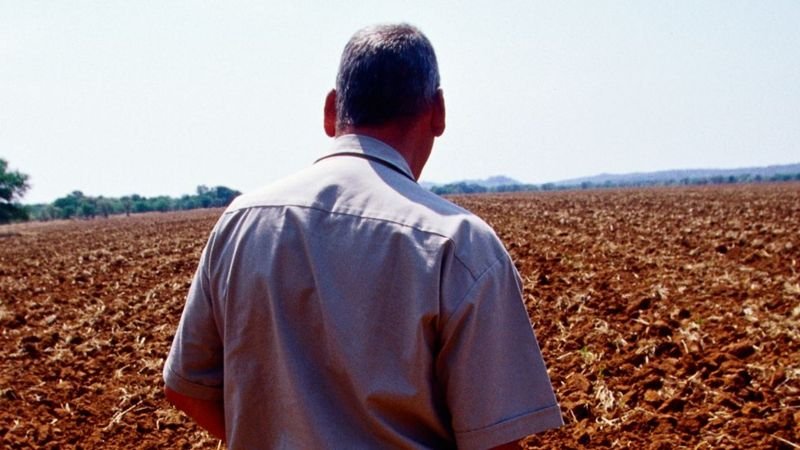


Twenty-five years after Zimbabwe launched a sweeping land reform programme that led to the seizure of white-owned farms, the government has taken a step toward reconciliation. A group of white farmers—once the pillars of Zimbabwe’s agricultural sector—have accepted a contentious compensation deal from the state. While the agreement may not offer a full resolution, it represents a critical turning point in a decades-long standoff over land, justice, and economic revival.


The land reform programme, initiated in 2000 by then-President Robert Mugabe, aimed to redistribute land to black Zimbabweans dispossessed during colonial rule. However, the chaotic and often violent nature of the takeovers not only crippled the country’s economy but also triggered international condemnation and sanctions. Now, as the country attempts to rebuild and stabilize, both the Zimbabwean government and some former white farmers are showing signs of compromise.

I. A Modest Start to a Monumental Settlement
1. The Terms of the Compensation Agreement
The compensation deal, championed by President Emmerson Mnangagwa, promises $3.5 billion in reparations to white farmers. However, it’s important to note that the compensation is strictly for infrastructural improvements made on the land—such as buildings, dams, and irrigation systems—not the land itself, which the state asserts was reclaimed from colonial seizure.
Only 1% of the total compensation—approximately $3.1 million—has been paid out in cash to date. The rest is structured as U.S. dollar-denominated treasury bonds that will mature over a 10-year period, with 2% interest paid semi-annually. For aging farmers like 71-year-old Arthur Baisley, who is recovering from back surgery and facing medical costs, this delay in liquidity presents a major challenge. Yet Baisley views the deal as the only viable option left. “It’s not the best deal, but it’s reasonably fair. We can’t wait another 10 years for something else,” he said.
2. Divided Opinions Among White Farmers
While some farmers have accepted the arrangement, others remain staunchly opposed. Deon Theron, another 71-year-old farmer and a vocal critic, represents over 1,000 white farmers who have rejected the bonds-based settlement.
He argues that the government’s financial condition makes the bonds unreliable. “There’s no guarantee these bonds will be honoured in 10 years,” Theron stated, emphasizing the need for international involvement, particularly from the UK, given its colonial past and role in land reform discussions during Zimbabwe’s independence talks.
II. Black War Veterans and Farmers Speak Out
1. Split Opinions Among Liberation Fighters
Even among the black war veterans—many of whom led the farm invasions—opinion is divided. One faction is pursuing legal action against the government, alleging that the $3.5 billion deal was agreed upon secretly, bypassing parliamentary approval. These critics argue that Zimbabwe’s dire economic situation does not justify such a large payout, especially when public services like hospitals remain underfunded. “People are suffering. They can hardly make ends meet,” said war veteran leader Godfrey Gurira. “Paying $3.5 billion is an unnecessary act of appeasement.”
2. New Farmers Face Their Own Struggles
The land redistribution that followed the reform saw 250,000 black farmers replace 2,500 white landowners. However, due to their lack of farming skills, financial backing, and clear land ownership, many struggled to make the land productive.
Originally granted only 99-year leases, these farmers couldn’t use their land as collateral for loans. In 2023, the government introduced a policy allowing farmers to obtain full title deeds—if they paid between $100 and $500 per hectare. This revenue, in turn, is earmarked to help fund compensation for the former white landowners.
The new policy has sparked controversy, with some seeing it as a betrayal of the spirit of land reform, effectively forcing black farmers to “buy back” land meant to correct historic injustice.
III. Stories of Recovery and Success
Despite the odds, success stories like that of Solomon Ganye and his sons illustrate how black farmers are beginning to thrive. Solomon received a barren 20-hectare plot in Harare South in 2002, part of a larger estate divided among multiple beneficiaries. After years of hardship, his sons—agriculture graduates—have transformed the land into a prosperous enterprise with 200 workers and diversified operations including tobacco, dairy, and livestock. “We’re doing more than what the white guys were doing,” said 25-year-old Aaron Ganye. “We’ve invested in technology, and now we’re living well through farming.”
Aaron supports the idea of contributing to the compensation fund, but only based on the value of the infrastructure they inherited.
IV. The Diplomatic Front: Rebuilding Global Trust
In a promising diplomatic development, the UK has recently removed the last Zimbabwean officials from its sanctions list—marking an end to two decades of strained relations. According to the UK’s Foreign, Commonwealth and Development Office, those officials are no longer in power and thus no longer subject to sanctions.
Zimbabwe now hopes this thaw in relations will facilitate not only external financial support but also renewed dialogue on restructuring its sizable foreign debt. Western backing could prove essential in ensuring the long-term success of the compensation programme and broader economic reforms.
Conclusion: Toward a Future of Compromise and Cooperation
Zimbabwe’s land reform journey remains a complex saga of justice, resentment, recovery, and reconciliation. While the compensation deal is far from perfect, it marks a historic attempt to address the painful consequences of the past. The acceptance by some white farmers, despite the financial risks involved, and the cautious openness of black farmers to contribute to the resolution, signal a shift towards mutual understanding.
Yet, the road ahead demands further compromise. The government must ensure transparency and reliability in bond payments. International stakeholders, particularly the UK, must re-engage constructively. And Zimbabweans—across generations, races, and social classes—must navigate the lingering tensions of history with a shared commitment to healing and progress.
With record-breaking tobacco harvests, restored diplomatic ties, and stories of rising black-owned farms, Zimbabwe is on a fragile yet promising path. But only through sustained dialogue and cooperation can the country truly overcome the legacy of its land reform and usher in a more inclusive era of prosperity.








