





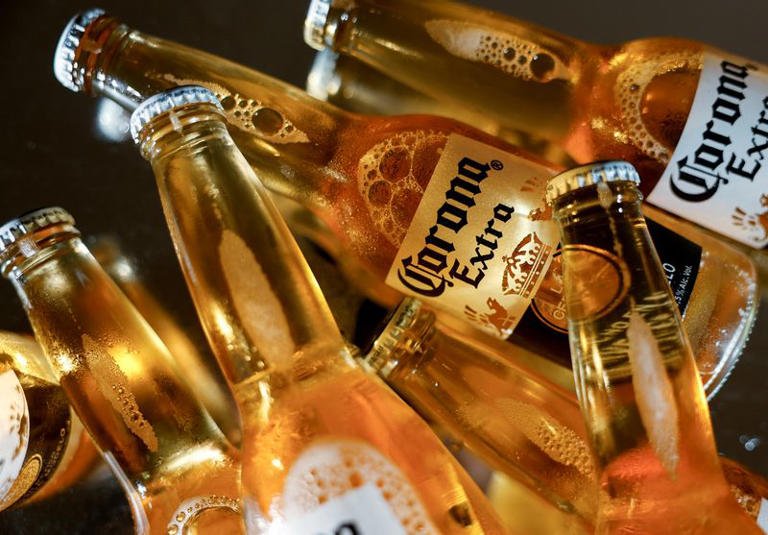


Constellation Brands, the U.S.-based beverage giant behind Corona and Modelo, reported weaker-than-expected earnings and revenue for the first quarter, reflecting the broader challenges facing the alcoholic beverage industry. Ongoing trade tensions, particularly the Trump administration’s decision to increase tariffs, combined with rising economic uncertainty, have led to softened consumer spending—especially in the beer and wine segments. As a result, Constellation struggled to meet analyst projections for the period ending May 31.


I. Tariffs and Demand Weakness Hit Sales
1. Underwhelming Revenue and Profit Figures
Constellation Brands posted net sales of $2.52 billion for the first quarter, missing the $2.55 billion analysts had forecast, based on data from LSEG. On the earnings front, the company delivered a comparable profit of $3.22 per share, falling short of the expected $3.31. The disappointing figures reflect not only changing consumer habits but also the mounting cost pressures tied to trade policies and raw materials.

2. Aluminum Tariffs and Trade Policy Impact
The inclusion of beer cans under aluminum tariffs has dealt a significant blow to beverage companies like Constellation and Molson Coors. Adding to the strain, President Trump’s decision to double tariffs on imported steel and aluminum from 25% to 50% has further intensified input costs for producers reliant on canned packaging. These tariff hikes have created ripple effects across the sector, placing additional stress on margins.
II. Consumer Behavior and Market Pressures
1. Declining Beer Consumption Among Key Demographics
A notable contributor to the company’s underperformance has been the decline in beer consumption among Hispanic consumers—traditionally a strong demographic for Constellation’s flagship brands. Industry analysts link this drop to the broader social and political climate, especially the Trump administration’s stringent immigration policies. The resulting uncertainty has seemingly dampened discretionary spending within this consumer segment.

2. Key Brands See Volume Drop
Constellation’s beer division, its largest revenue generator, saw a 2.6% year-over-year decrease in depletion volume—a measure of product sold to distributors and retailers. This marks a stark contrast to the 6.4% growth recorded during the same period last year. Sales of major labels like Modelo Especial and Corona Extra have been particularly affected, reflecting changing consumption patterns and competitive pressure in the marketplace.
3. Margins Affected by Cost Increases
While Constellation has implemented sequential price hikes and cost-control measures, these strategies were not enough to counterbalance rising operational expenses. In particular, increased costs tied to aluminum tariffs and marketing efforts weighed heavily on the bottom line. Operating margins in the beer segment dropped by 150 basis points, settling at 39.1% for the quarter.
III. Industry-Wide Headwinds and Strategic Response
1. A Double Challenge for Alcoholic Beverage Makers
The alcoholic beverage sector is currently contending with a combination of weak demand and adverse trade dynamics. For companies like Constellation, which already face shifting consumer preferences—such as the rise of non-alcoholic alternatives—the added burden of higher material costs and global trade friction compounds an already difficult landscape.
2. Navigating Uncertainty Through Forecast Stability
Despite the quarter’s weaker-than-expected performance, Constellation Brands has maintained its full-year forecast for organic sales and profit. This suggests that the company remains cautiously optimistic about its long-term strategy, although the outlook depends heavily on how global trade conditions evolve and whether domestic consumer confidence can rebound.
Conclusion
Constellation Brands’ first-quarter results underscore the increasing complexity of operating in a volatile global and domestic environment. From steel and aluminum tariffs to shifting consumer behavior and economic anxieties, the beverage giant faces mounting challenges that are reshaping its strategic priorities. While efforts to manage pricing and control costs are ongoing, the company’s recent struggles highlight the broader vulnerabilities within the alcohol sector, particularly when external political and economic pressures disrupt supply chains and alter consumer behavior. As the year unfolds, Constellation’s ability to adapt will be critical to maintaining its market position and investor confidence.








