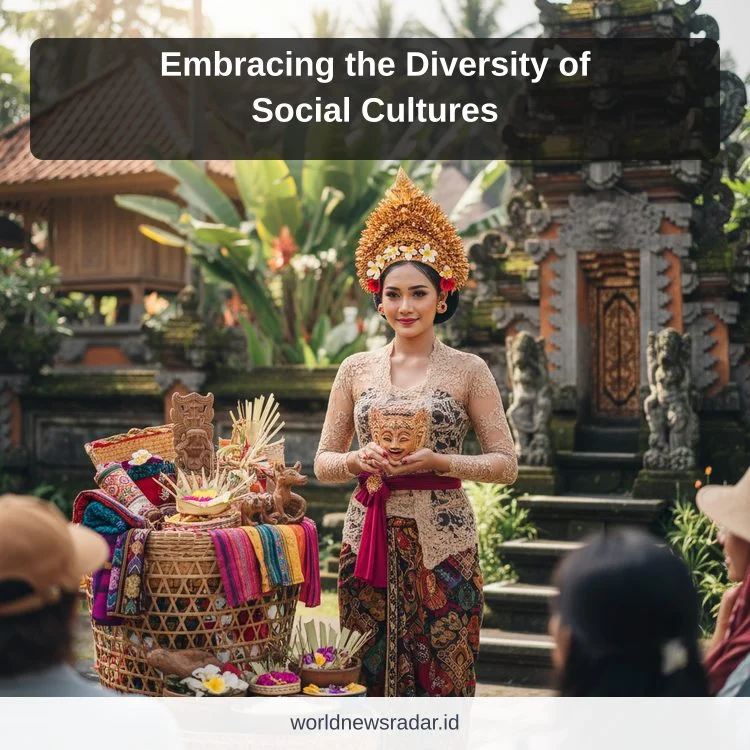




In an increasingly interconnected world, the vibrant tapestry of human civilization is woven from countless threads of unique social cultures. From the communal rituals of indigenous tribes to the bustling innovation hubs of global metropolises, each culture offers a distinct lens through which to perceive life, meaning, and our shared humanity. However, beneath the surface of this rich diversity, there often lurks misunderstanding, prejudice, and even conflict, stemming from a lack of genuine cross-cultural appreciation. In an era dominated by instantaneous information, where news from every corner of the globe is just a click away – be it the latest world news headlines, a deep dive into a newspaper article, or a breaking daily news update – it’s more crucial than ever to actively embrace and understand these differences. This article will explore the profound importance of embracing social cultural diversity, delving into its benefits, the challenges it presents, and practical strategies for fostering a more inclusive and empathetic global society, ultimately striving for a future where cultural understanding overcomes division.


The Kaleidoscope of Human Experience: Defining Social Culture
Social culture, in its broadest sense, encompasses the shared patterns of behaviors, interactions, and understandings that characterize a particular group or society. It’s the invisible yet powerful force that shapes our perspectives, values, beliefs, and even our daily routines. This intricate web includes everything from language and culinary traditions to artistic expressions, religious practices, educational systems, and even unspoken social etiquette. Consider the intricate greetings in many Asian cultures, where bows or specific honorifics denote respect and social standing, a stark contrast to the more informal handshakes prevalent in many Western societies. These seemingly small differences are, in fact, profound indicators of deeply ingrained cultural values regarding hierarchy, community, and individual space. As we consume world news, whether through a traditional newspaper or a digital daily news feed, recognizing these underlying cultural nuances is vital for contextualizing events and understanding human motivations worldwide. For instance, reports on political protests might be interpreted vastly differently depending on a culture’s historical relationship with authority or its ingrained sense of collective responsibility versus individual rights.


Moreover, social culture is not static; it evolves constantly, influenced by internal dynamics, external interactions, and the inexorable march of history. Globalization, migration, and the omnipresent digital age are accelerating this evolution, blending and sometimes clashing different cultural elements. The rise of hybrid culinary traditions, like Tex-Mex or Afro-Caribbean fusion, exemplifies this dynamic interplay, where new flavors and cooking methods emerge from the convergence of diverse gastronomic heritages. Similarly, global music genres like K-Pop, which blends traditional Korean elements with hip-hop, electronic, and Western pop influences, showcase how cultural boundaries are becoming increasingly fluid. Understanding these fluid definitions is paramount when engaging with daily news reports, as cultural shifts often underpin major demographic, economic, and social transitions. The implications of these cultural evolutions are far-reaching, influencing everything from international relations and trade agreements to local community development initiatives. Therefore, a nuanced comprehension of what social culture entails, beyond superficial observations, is essential for any informed global citizen trying to make sense of the world news today.
Beyond Borders: The Economic and Innovative Power of Cultural Diversity
Embracing social cultural diversity offers tangible economic and innovative advantages that extend far beyond mere social goodwill. In a globalized marketplace, companies that nurture diverse workforces are better positioned to understand and serve a wider range of customers worldwide. A team comprising individuals from various cultural backgrounds brings a multitude of perspectives, problem-solving approaches, and market insights to the table. For example, a marketing campaign developed by a diverse team might resonate more effectively with target audiences in different countries because it incorporates culturally sensitive messaging and imagery, avoiding potential missteps that a monocultural team might overlook. This can translate directly into increased market share, improved brand reputation, and higher profitability. Major corporations like Google and Microsoft actively champion diversity and inclusion, not just as ethical imperatives, but as strategic business advantages, recognizing that varied viewpoints foster creativity and drive innovation. This emphasis on diversity is regularly highlighted in business sections of world news outlets and financial newspapers, underscoring its growing importance in global commerce.
Furthermore, cultural diversity fuels innovation by fostering a broader spectrum of ideas and approaches to challenges. When people from different backgrounds collaborate, they are more likely to question assumptions, challenge established norms, and explore unconventional solutions. This intellectual cross-pollination can lead to breakthroughs in science, technology, and art. Consider the vibrant tech hubs around the world, from Silicon Valley to Shanghai, which thrive on the influx of talent from diverse nations. The synergy generated by these varied perspectives accelerates technological advancement and the creation of groundbreaking products and services. The exchange of ideas, methodologies, and even philosophical approaches stemming from distinct cultural traditions enriches the entire innovation ecosystem. This constant infusion of novel ways of thinking is critical for navigating complex global problems, from climate change to public health crises, as reported in various daily news and specialized publications. Companies that genuinely embrace diversity not only attract top global talent but also cultivate an environment where creativity flourishes, making them more resilient and competitive in the long run. The positive impact of this cultural mosaic on innovation is a recurring theme in business analysis and opinion pieces that feature in world news, a clear indicator of its strategic value.
Navigating Nuances: Cultural Sensitivity in Communication and Diplomacy
Effective communication and successful diplomacy are inextricably linked to cultural sensitivity. Misunderstandings often arise not from malicious intent, but from a failure to appreciate divergent communication styles, non-verbal cues, and underlying cultural assumptions. What might be considered direct and honest in one culture could be perceived as rude or aggressive in another. For instance, in many Western societies, direct eye contact signifies sincerity and attentiveness, whereas in some East Asian cultures, prolonged direct eye contact can be seen as a challenge or a sign of disrespect, especially towards elders or superiors. Similarly, the concept of “saving face” is paramount in many Asian societies, influencing how criticism is delivered or how negotiations are conducted. Ignoring these nuances can lead to strained relationships, failed negotiations, and even international incidents, making cultural understanding a critical component of statecraft and global relations, as often detailed in BBC News reports or other reputable world news sources.
Diplomats and international business professionals undergo extensive training to develop cultural competence, recognizing that successful engagement requires more than just language proficiency. It demands an understanding of historical contexts, social hierarchies, religious beliefs, and political sensitivities that shape a culture’s worldview. For example, when negotiating international trade agreements, understanding a nation’s cultural emphasis on collective harmony versus individual achievement can significantly influence the approach to compromise and decision-making. A negotiation strategy that emphasizes individual gains might falter in a culture that prioritizes group consensus and long-term relationships. Moreover, non-verbal communication, such as gestures, personal space, and even silence, carries significant cultural weight. A seemingly innocent gesture in one culture might be offensive in another, requiring careful consideration and awareness. Daily news reports frequently highlight instances where a diplomatic gaffe or a seemingly minor cultural oversight has escalated into a larger issue, demonstrating the real-world consequences of insufficient cultural sensitivity. Therefore, fostering an environment where individuals are educated on and respect these fundamental differences is not just a polite gesture; it is a foundational requirement for peaceful coexistence and productive collaboration on the global stage, as continuously underscored by the breadth of world news coverage.
The Fabric of Identity: Cultural Preservation and Modernization
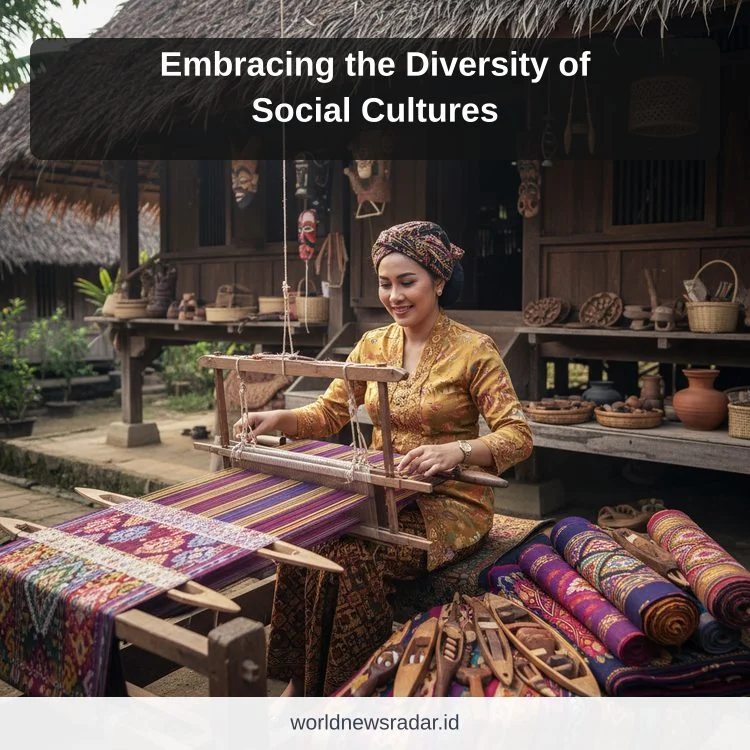
The tension between cultural preservation and the forces of modernization is a constant narrative within the broader story of social culture. As global influences permeate local communities through media, technology, and migration, there’s a delicate balance to strike between embracing progress and safeguarding unique cultural identities. Many indigenous communities worldwide, for example, are striving to preserve their languages, traditions, and ancestral lands against the pressures of urbanization and assimilation. The Maori people of New Zealand have launched successful initiatives to revitalize Te Reo Maori, their indigenous language, through immersion schools and cultural programs, demonstrating a proactive approach to maintaining their heritage while participating in modern society. This struggle and revival are often topics explored in depth in daily news features, particularly those focusing on social justice and cultural heritage.
Modernization can bring significant benefits, from improved healthcare and education to enhanced communication and economic opportunities. However, it also poses risks to cultural uniqueness, potentially eroding traditional practices, belief systems, and social structures. The challenge lies in finding pathways for development that are culturally sensitive and sustainable, allowing communities to adapt to new realities without losing their core identities. This often involves empowering local communities to define their own development paths, incorporating traditional knowledge and practices into contemporary solutions. For example, some architectural movements blend modern building techniques with traditional aesthetic principles and materials, creating structures that are both functional and deeply rooted in local heritage. Debates surrounding cultural appropriation versus appreciation also emerge in this context, highlighting the importance of respectful engagement and equitable partnerships when external forces interact with local cultures. The ongoing dialogue between preservation and modernization is a key element in understanding the societal transformations frequently reported in world news, influencing everything from environmental policy to educational reforms. Maintaining this delicate balance is crucial for ensuring that the rich tapestry of human cultures continues to flourish for future generations, a sentiment echoed by cultural experts across many reputable news sources like BBC News.
Empowering Global Citizens: Strategies for Fostering Cross-Cultural Understanding
Cultivating cross-cultural understanding is not merely a passive appreciation but an active process requiring intentional strategies and continuous effort from individuals, communities, and institutions. One crucial strategy is education, starting from an early age. Incorporating world history, diverse literary works, and global studies into school curricula can broaden perspectives and challenge ethnocentric viewpoints. Exposure to different languages and cultures in an academic setting lays a foundational groundwork for future cultural competence. Exchange programs, both for students and professionals, offer invaluable immersive experiences that break down stereotypes and build empathy by allowing individuals to live within and experience other cultures firsthand. These experiences are frequently highlighted in positive human interest stories within daily news, illustrating the power of direct engagement.
Another powerful strategy involves leveraging media responsibly. While mainstream world news and newspapers can sometimes perpetuate stereotypes, they also have the potential to inform and bridge cultural divides. Supporting independent journalism, documentary filmmaking, and media outlets that offer nuanced portrayals of diverse cultures can counter misinformation and promote deeper understanding. Engaging with international news critically, looking beyond sensational headlines, and seeking multiple perspectives, akin to cross-referencing various BBC News reports, is essential for developing a balanced view. Furthermore, promoting cultural events, festivals, and culinary experiences within local communities provides accessible entry points for people to engage with different traditions. These shared experiences foster connections and dismantle barriers in informal, enjoyable settings. Finally, advocating for policies that promote diversity and inclusion in workplaces, public spaces, and government agencies reinforces the value of different cultural contributions. By actively participating in these strategies, we can move beyond mere tolerance to genuine appreciation, creating a more harmonious and interconnected world—a world where the rich tapestry of social cultures is celebrated, not merely tolerated, thereby enriching the lives of all global citizens. This ongoing endeavor is continuously shaped by the current events and societal shifts reported in the world news and global newspapers.
Kesimpulan
Embracing the rich diversity of social cultures is no longer an optional ideal; it is an imperative for navigating our complex, interconnected world. As we’ve explored, from the profound economic advantages and innovative breakthroughs spurred by diverse teams to the critical role of cultural sensitivity in diplomacy and the delicate balance of preserving heritage amidst modernization, understanding and valuing cultural differences are fundamental. The consistent flow of world news, whether through a traditional newspaper or a digital daily news platform like BBC News, constantly reminds us of this truth, highlighting both the successes and failures in cross-cultural interactions. By actively engaging in education, promoting meaningful cultural exchange, and critically consuming global information, we can dismantle prejudices and foster a deeper, more empathetic global consciousness. Each unique culture contributes an invaluable piece to the grand mosaic of human experience, and by celebrating these distinctions, we not only enrich our own lives but also lay the groundwork for a more peaceful, prosperous, and understanding future. Let us commit to building bridges of understanding, one cultural interaction at a time, ensuring that the vibrant tapestry of humanity continues to inspire and unite us all.