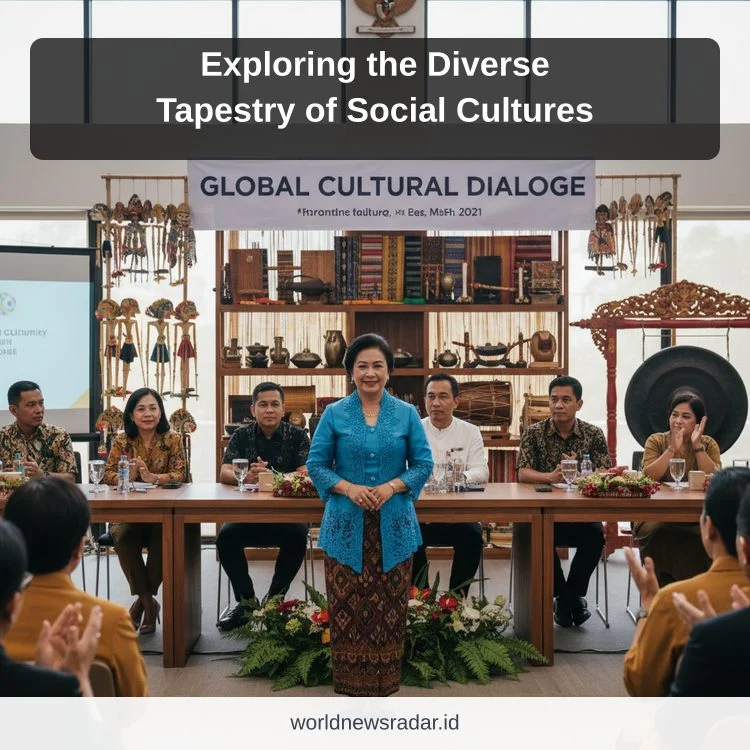
Exploring the Diverse Tapestry of Social Cultures
In a world increasingly interconnected, understanding the intricate web of social cultures has become more critical than ever. Every day, world news outlets like the BBC News and other prominent newspaper platforms bring us stories from across the globe, highlighting the fascinating complexities and sometimes challenging differences between various societies. Yet, beyond the headlines and daily news cycles, lies a deeper narrative—a narrative of human diversity, shared values, and unique traditions that shape how communities perceive the world. This article will delve into the multifaceted nature of social cultures, examining their origins, manifestations, and their profound impact on global dynamics. We’ll explore how these cultural nuances influence everything from communication styles to economic development, and why a keen awareness of them is indispensable for navigating our modern, globalized landscape. From the bustling streets of Tokyo to the tranquil villages of the Amazon, cultural identities are constantly evolving, influencing personal interactions, political landscapes, and the very fabric of our shared humanity, offering a richer perspective than what we might gather from a quick online news glance.


The Foundations of Social Culture: Identity and Belonging
Social culture, at its core, is a collective set of norms, values, beliefs, practices, languages, and behaviors shared by a group of people. These elements provide a framework for understanding the world and interacting with others, fostering a sense of identity and belonging. Consider the concept of individualism versus collectivism. In many Western societies, particularly those influenced by European enlightenment philosophies, individual achievement and personal autonomy are highly prized. The narrative often focuses on “pulling yourself up by your bootstraps” and celebrating personal milestones. This cultural emphasis can be seen in legal systems that prioritize individual rights and economic models that champion free markets and competition. Conversely, many Asian, African, and Latin American cultures exhibit strong collectivist tendencies, where group harmony, interdependence, and family obligations take precedence. Decisions are often made with the collective good in mind, and success is frequently attributed to the entire community rather than a single individual. For instance, in Japan, the concept of “wa” (harmony) is central to social interactions and business practices, emphasizing consensus and avoiding direct confrontation. Understanding this fundamental difference is crucial not just for social scientists, but for anyone consuming daily news from disparate regions or engaging in international relations.


Cultural Manifestations: Language, Art, and Rituals
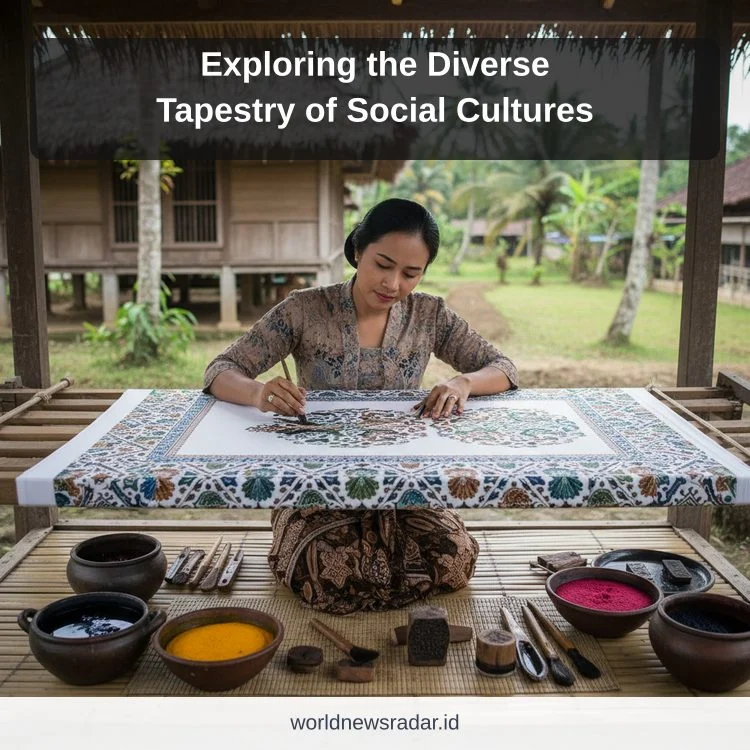
The abstract values and beliefs of a culture find concrete expression in various forms, most notably through language, art, and rituals. Language, far more than just a communication tool, embeds cultural perspectives and shapes thought processes. For example, some indigenous languages have multiple words for snow, reflecting its profound importance in their environment and lifestyle, while English speakers rely on fewer, broader terms. This illustrates how language can reflect and reinforce a culture’s relationship with its environment. Similarly, art, in all its diverse forms—music, literature, visual arts, and performance—serves as a powerful medium for transmitting cultural narratives, emotions, and historical memory. Think of a traditional Balinese dance, which is not merely entertainment but a sacred ritual, embodying ancient myths and spiritual beliefs. Or consider the intricate patterns in Islamic art, which often avoid anthropomorphic figures in reverence to religious principles, instead focusing on geometric complexity and calligraphy. Rituals, from religious ceremonies to national holidays and even everyday greetings, solidify cultural bonds and reinforce shared meanings. The elaborate tea ceremony in China or Japan, for instance, is not just about drinking tea; it is a ritualized practice emphasizing mindfulness, respect, and aesthetic appreciation. These manifestations are often depicted in various newspaper reports, albeit sometimes superficially, as part of their coverage of global events and cultural heritage.
The Influence of Religion and Spirituality on Social Fabric
Religion and spirituality have historically played, and continue to play, a monumental role in shaping social cultures worldwide. They often provide the moral and ethical frameworks, the foundational narratives, and the rites of passage that define communities. In many societies, religious tenets directly inform legal systems, social hierarchies, dress codes, dietary restrictions, and even daily routines. For example, in deeply religious societies, weekly worship or prayer times are not merely individual practices but significant community events that foster social cohesion and reinforce shared identity. The impact of Ramadan in Muslim-majority countries extends beyond individual fasting, influencing business hours, community gatherings, and media content. Similarly, the caste system, historically linked to Hinduism in India, showcases how religious beliefs can profoundly structure social stratification and determine individuals’ roles and opportunities within society, despite modern efforts to dismantle such discrimination. The celebration of Christmas in Western cultures, while having pagan roots, has evolved into a widely recognized cultural event that transcends purely religious affiliation, fostering family gatherings and consumer traditions. Conversely, the rise of secularism in some parts of Europe has led to different cultural norms regarding public displays of religious symbols and the separation of church and state, creating distinct social cultures compared to more religiously devout nations. Such dynamics are frequently analyzed in depth by platforms like BBC News, especially when discussing global conflict or societal shifts.
Globalization and Cultural Hybridization
The advent of globalization, driven by advancements in technology, communication, and transportation, has dramatically altered the landscape of social cultures. While some fear the homogenization of cultures—a “McDonaldization” of the world, where local distinctiveness is eroded by global capitalist forces—what we often observe is a more complex process of cultural hybridization. This involves the blending and merging of different cultural elements, creating new, unique forms. Think of “K-Pop,” the globally popular South Korean music genre, which seamlessly integrates Western pop melodies, hip-hop elements, and intricate choreography with uniquely East Asian aesthetics and performance styles. This is not simply an imitation of Western music but a creative reinterpretation that resonates with diverse audiences worldwide. Similarly, fusion cuisine, which combines culinary traditions from different cultures, is a delicious example of hybridization. A taco truck in Berlin serving kimchi quesadillas is a testament to this dynamic process. While globalization undeniably brings external influences, local cultures often adapt, reinterpret, and integrate these new elements in ways that maintain their own identity while simultaneously evolving. This constant interplay of global and local forces creates a vibrant, ever-changing tapestry of cultures, making each encounter more nuanced and complex, a reality often reflected in comprehensive online news reports that delve into global trends and their local impacts.
Navigating Cultural Differences: Practical Tips for Intercultural Competence
In an interconnected world, developing intercultural competence is no longer a luxury but a necessity, particularly for those engaging with diverse communities, whether for business, travel, or diplomacy. To effectively navigate cultural differences, an individual must cultivate empathy, open-mindedness, and a willingness to learn. Firstly, practice active listening and observation. Instead of making assumptions based on your own cultural background, pay close attention to verbal and non-verbal cues. For example, direct eye contact might be a sign of respect in some cultures, but in others, it could be perceived as aggressive or disrespectful. Secondly, embrace cultural relativism, understanding that different cultures have different answers to universal questions, and no single culture holds a monopoly on “the right way” to do things. This does not mean abandoning your own values, but rather acknowledging the validity of others’. Thirdly, gain knowledge about specific cultures you interact with. Even a basic understanding of a country’s history, major religions, and social etiquette can go a long way. For instance, knowing that the concept of “saving face” is paramount in many East Asian cultures can prevent inadvertent offense in business negotiations. Lastly, be prepared for culture shock—the disorientation one feels when confronted with an unfamiliar cultural environment. It’s a natural process, and acknowledging it can help manage frustration and adapt more effectively. These skills are invaluable for anyone seeking to interpret world news with greater nuance or succeed in a globalized marketplace.
Kesimpulan
The journey through the diverse tapestry of social cultures reveals a landscape rich with complexity, meaning, and ongoing evolution. From the fundamental drivers of identity and belonging to their tangible expressions in language, art, and ritual, every culture offers a unique lens through which humanity perceives and interacts with the world. The profound influence of religion, the dynamic processes of globalization, and the constant interplay of local and global forces underscore that social cultures are not static entities but living, breathing systems that continuously adapt and transform. Understanding these nuances—whether through careful reading of a detailed newspaper, watching a thoughtful documentary on BBC News, or engaging directly with different communities—is essential for fostering mutual respect, mitigating conflict, and building a more harmonious global society. As information flows freely through online news platforms and borders become increasingly permeable, developing a deep appreciation for cultural diversity is paramount. Let us continue to explore, learn, and engage with the world’s myriad cultures, recognizing that within their differences lies our collective human story and the key to a richer, more interconnected future. Embrace this continuous journey of discovery and allow it to broaden your perspective on the intricate beauty of our global village.