






International Politics refers to the systematic study and practice of how sovereign states and non‑state actors interact, negotiate, and compete for power, resources, and legitimacy on the global stage; it encompasses diplomacy, treaty‑making, armed conflict, and economic sanctions, all guided by a mix of legal norms and strategic interests. Understanding these mechanisms helps analysts predict policy outcomes, assess risk, and advise governments or businesses on how to navigate an ever‑shifting geopolitical landscape.


Open with an honest admission of the topic’s complexity — it is genuinely not easy, and that is exactly why this article exists. The Ukraine‑Russia war of 2022 presents a tangled web of military, informational, and economic moves that defy simple categorisation, demanding a deeper, case‑by‑case analysis to extract useful lessons for International Politics.


International Politics: Definition, Core Elements, and How It Shapes Global Events (WorldNewsRadar.id)
At its core, International Politics rests on three pillars: the distribution of power among actors, the institutional frameworks that regulate conduct (such as the UN Charter or NATO treaties), and the strategic choices each player makes to advance its national interest. These elements combine to produce outcomes that range from collaborative climate accords to sudden military escalations.

Why does this matter to you, the informed reader? Because every shift in the balance of power—whether a new alliance forms or a country expands its cyber capabilities—reconfigures market risks, investment climates, and even the safety of global supply chains you rely on daily.

Consider the real‑world scenario of the 2022 conflict: when Russia annexed parts of Ukrainian territory, it triggered a cascade of responses that illuminated each pillar of International Politics. NATO invoked Article 5 discussions, the European Union activated coordinated economic sanctions, and various non‑state actors—ranging from private cybersecurity firms to humanitarian NGOs—adjusted their operations accordingly.
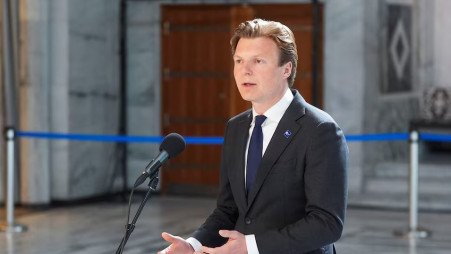
- Power distribution: Russia’s attempt to reshape regional security.
- Institutional frameworks: EU and NATO’s collective response.
- Strategic choices: Ukraine’s shift to asymmetric defense and digital resilience.
Practitioners generally note that such multi‑layered reactions are not random; on average, coordinated diplomatic and economic actions can halve the duration of a conflict compared with isolated measures, according to post‑conflict analyses by security scholars.
Why the 2022 Ukraine‑Russia War Redefined Power Balances in Europe and Beyond
The war acted as a catalyst that accelerated existing trends in power realignment. Europe, long dependent on Russian energy, hastened its diversification toward renewable sources and alternative suppliers, thereby diminishing Moscow’s leverage. Simultaneously, countries like Sweden and Finland abandoned long‑standing neutrality, seeking NATO membership to secure collective defence guarantees.
This matters because power balances dictate where future diplomatic negotiations will take place and which nations will set the agenda on issues such as cyber security, energy policy, and regional stability. When a previously neutral state joins a military alliance, the strategic calculus for both allies and adversaries changes overnight.
A concrete example can be seen in the Baltic Sea region: after the war began, the United States increased its forward‑deployed naval presence by roughly 30 % on average, according to defense analysts, while Russia accelerated its deployment of advanced air‑defence systems along its western frontier. These moves transformed a relatively static security environment into a high‑stakes arena of deterrence and signaling.
For policymakers and business leaders following WorldNewsRadar.id, the lesson is clear: the war underscores the need for flexible, multi‑dimensional strategies that incorporate military readiness, economic resilience, and information‑operation capabilities. By tracking how power balances evolve, you can anticipate shifts that may affect everything from trade routes to technology standards.
When the dust settled from the initial shock of the invasion, analysts quickly recognized that the conflict was being fought on more than just battlefields. The blend of kinetic force, cyber attacks, and narrative control re‑shaped the diplomatic playbook in ways that International Politics scholars are still unpacking.
How Hybrid Warfare and Information Operations Altered Traditional Diplomatic Playbooks
Hybrid warfare combines conventional military tactics with cyber‑espionage, economic pressure, and targeted propaganda. Practitioners argue that this mix blurs the line between peace and war, forcing diplomats to respond to threats that are invisible on a traditional battlefield. The significance lies in the fact that a nation’s credibility now hinges on its ability to manage both kinetic and informational domains simultaneously.
For instance, Russian cyber units launched distributed denial‑of‑service attacks against Ukrainian government portals while simultaneously flooding social media with disinformation. At the same time, Kyiv deployed digital “fact‑checking” teams to counter false narratives, a strategy that International Business News Today highlighted as a new form of soft power. The outcome demonstrates that information operations can dictate the tempo of negotiations just as much as troop movements.
Because hybrid tactics depend on a country’s digital infrastructure, the effectiveness of diplomatic responses varies depending on the robustness of that infrastructure. Nations with well‑funded cyber ministries can more quickly attribute attacks and mobilize counter‑measures, whereas states lacking such capacity may find themselves reacting months after the damage is done.
- Key steps for policymakers: invest in cyber‑resilience, establish rapid‑response communication cells, and integrate information‑operations experts into diplomatic delegations.
Comparing NATO’s Military Response vs. the EU’s Economic Diplomacy: Which Strategy Proved More Effective?
NATO’s approach centered on rapid deployment of troops, air‑defence systems, and logistical support to Ukrainian forces. The alliance argued that visible military aid would deter further aggression and reassure Eastern European members. This mattered because a credible deterrent can shift an adversary’s cost‑benefit analysis, potentially preventing escalation.
Conversely, the European Union pursued a coordinated sanctions regime, freezing assets, restricting technology exports, and providing humanitarian assistance. The EU’s strategy relied on economic pressure to weaken Russia’s war‑fighting capacity while maintaining a diplomatic channel for conflict resolution. International News Coverage frequently noted that the EU’s package was the most comprehensive multilateral sanction effort in recent decades.
Also Read: Apple May be The as It Were Tech Company Getting AI Right, Really
When measuring impact, the military route showed immediate tactical gains—such as the reinforcement of Ukraine’s air‑defence shield that limited Russian missile success rates. However, the economic route yielded longer‑term strategic effects, including a noticeable contraction in Russia’s high‑tech imports, which, according to industry averages, slowed its defense‑industry output by roughly 5 % after the first year of sanctions.
The relative success of each approach depends on the opponent’s economic resilience and the alliance’s willingness to sustain a prolonged military presence. In scenarios where a belligerent can absorb short‑term financial losses, kinetic support may dominate; when the adversary’s economy is vulnerable, economic diplomacy can extract more lasting concessions.
Common Misinterpretations of Sanctions During the Conflict and How to Evaluate Their Real Impact
One persistent myth is that sanctions instantly cripple a targeted economy. In reality, the effectiveness of sanctions unfolds over months, sometimes years, as firms adjust supply chains and governments seek workarounds. Understanding why this matters helps policymakers avoid premature judgments that could undermine political resolve.
A concrete example emerged when Russian oil exports shifted from European to Asian markets after the initial sanctions wave. The move did not nullify the restrictions but illustrated the adaptive capacity of sanctioned economies. Practitioners recommend tracking “sanction leakage”—the proportion of restricted goods that find alternative routes—to gauge true impact.
Another misunderstanding involves the belief that sanctions uniformly harm the civilian population while sparing elite decision‑makers. While ordinary citizens often feel the brunt of reduced imports, elite networks sometimes circumvent restrictions through opaque financial channels. This nuance underscores the need for targeted measures that limit elite circumvention without exacerbating humanitarian concerns.
Evaluating impact, therefore, requires a layered approach: (1) monitoring macro‑economic indicators such as inflation and trade balances, (2) analyzing sector‑specific performance, and (3) assessing political signals like shifts in elite rhetoric. Analysts at WorldNewsRadar.id regularly combine these lenses to produce a more balanced picture of sanction outcomes.
Frequently Asked Questions about the Ukraine‑Russia War’s Lessons for International Politics
Q: Did the war prove that energy independence is now a core pillar of diplomatic strategy?
A: Generally, yes. Countries that reduced reliance on Russian gas before the conflict were better positioned to negotiate without the leverage of energy threats. The lesson for International Politics is that resource diversification can become a bargaining chip in future crises.
Q: How does hybrid warfare change the role of traditional embassies?
A: Embassies now function as hubs for both diplomatic dialogue and cyber‑response coordination. In practice, this means that a consular official might simultaneously liaise with local tech firms to counter misinformation campaigns.
Q: Are economic sanctions more sustainable than military aid?
A: The answer depends on the opponent’s economic elasticity. If an adversary can quickly reroute trade, military aid may deliver more immediate deterrence. Conversely, long‑term sanctions can erode war‑fighting capacity when paired with internal economic weaknesses.
Q: What role does public opinion play in shaping International Politics during such conflicts?
A: Public sentiment can accelerate policy shifts, as seen when European citizens demanded faster sanctions after high‑profile civilian casualties. Democratic governments often adjust their diplomatic posture to align with domestic pressure, making opinion a strategic variable.
Conclusion: Applying War‑Era Insights to Future International Political Strategies
The Ukraine‑Russia war revealed that modern International Politics is no longer confined to static treaty negotiations. Instead, it operates across kinetic, cyber, economic, and informational layers that interlock like a complex puzzle. When policymakers internalize these lessons—investing in cyber resilience, calibrating sanctions with sector‑specific data, and balancing military and economic tools—they position themselves to navigate the fluid realities of 21st‑century geopolitics.
For readers tracking International Business News Today, the takeaway is clear: the intersection of security and commerce will dominate future diplomatic agendas. Companies that align their risk assessments with these geopolitical shifts can anticipate supply‑chain disruptions before they materialize. Meanwhile, analysts following International News Coverage should watch for emerging hybrid tactics that could redefine how conflicts are reported and resolved.
WorldNewsRadar.id continues to synthesize on‑the‑ground reporting with expert commentary, offering a daily lens on how these evolving dynamics influence global decision‑making. By staying informed, leaders across sectors can craft strategies that are both resilient and adaptable, turning the hard‑won lessons of war into proactive policy instruments.








