




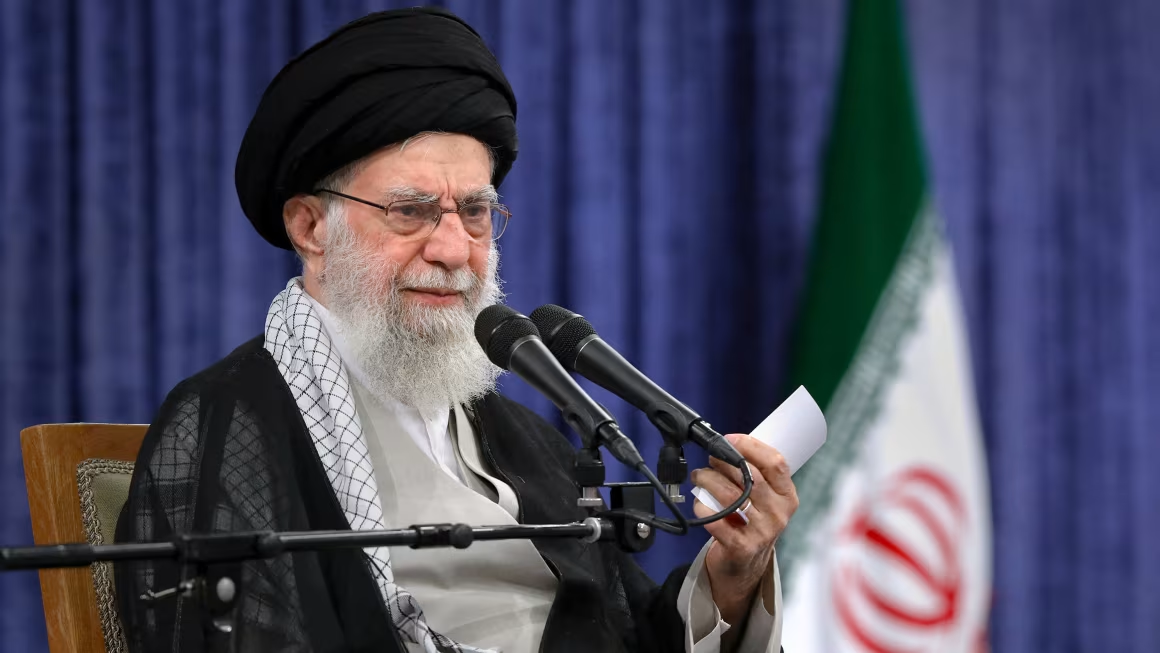


Iran’s Supreme Leader Ayatollah Ali Khamenei is now confronting what is arguably the most significant crisis of his nearly four-decade rule. The joint military assault by Israel and the United States has shaken the foundations of his regime, targeting both its strategic infrastructure and ideological pillars. As Khamenei—now 86 and reportedly in declining health—navigates this unprecedented challenge, his next moves could profoundly influence Iran’s internal stability and reshape the balance of power across the Middle East.

I. A Supreme Leader Under Siege
1. Historic Assault and Its Impact
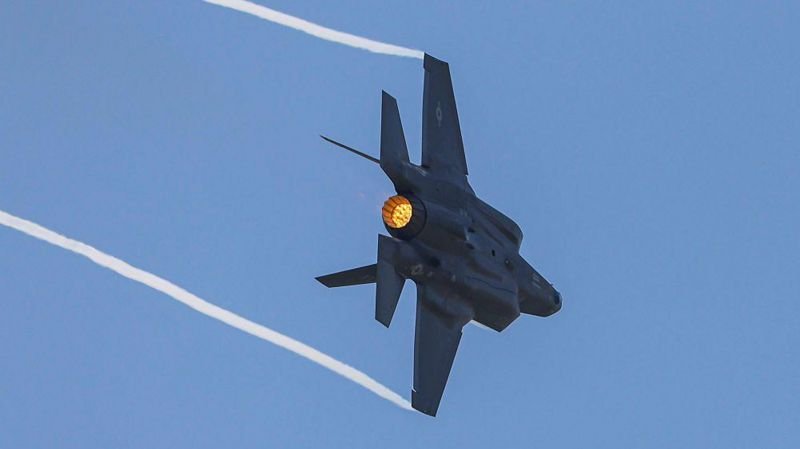
In a dramatic escalation, Israel and the U.S. launched targeted strikes on Iranian soil, striking core components of the Islamic Republic’s power base. These attacks not only destroyed nuclear infrastructure where Iran was enriching uranium to near weapons-grade levels, but also eliminated several key figures within the Islamic Revolutionary Guard Corps (IRGC). The sudden loss of seasoned commanders and nuclear scientists has left deep scars on a system that heavily relies on its elite networks to project strength and ensure loyalty.
2. Khamenei’s Absence and Safety Concerns
Khamenei’s response during the crisis has also signaled vulnerability. Unlike in past times of national mourning or conflict, he remained unseen during massive public funerals held for assassinated IRGC officers and nuclear experts. Instead, his defiant message came days after a ceasefire had taken effect—recorded from an undisclosed location. The delay and secrecy underscore concerns about his personal safety and the uncertainty gripping the leadership circle in Tehran.
II. The Crumbling Pillars of Power
1. Dismantled Proxy Network and Nuclear Program
Khamenei’s leverage in the region has long depended on a dual strategy: developing nuclear capabilities and deploying a network of proxy forces surrounding Israel. But both tools are now critically weakened. Israeli strikes have decimated these armed groups, while the financial and strategic investment in the nuclear program—estimated in the billions—was undone in less than two weeks.
2. Economic Strain and International Isolation
This comes amid existing economic turmoil. Sanctions, inflation, and mismanagement have already pushed the Iranian economy into distress. The cost of rebuilding after the strikes, both financially and structurally, will only deepen the crisis. Khamenei’s regime, already dealing with unrest at home and distrust abroad, faces an even tighter squeeze.
3. Eroding Internal Authority
While Khamenei continues to command support from key institutions and a loyal base, his grip on power may weaken if internal divisions deepen. With speculation about his health and no named successor, Iran’s leadership vacuum is no longer a distant concern. The strikes have raised existential questions not only about external threats but also about the regime’s continuity.
III. Years of Resistance, One Pivotal Moment
1. A Record of Defiance and Suppression
Throughout his leadership, Khamenei has steered Iran through war, sanctions, cyberattacks, and internal unrest. He has cracked down on protest movements—from the 2009 Green Movement to recent women’s rights demonstrations—and controlled dissent through strict surveillance and suppression. Foreign-based opposition media and separatist movements have long tried to destabilize the regime, but never before had Khamenei faced direct military confrontation from both the U.S. and Israel.
2. Strategic Collapse of Deterrence
For decades, Iran’s regional strategy relied on deterrence. But the recent airstrikes exposed a critical failure in intelligence and readiness. As Ali Vaez from the International Crisis Group noted, Iran’s doctrine of power projection and deterrence has now faltered. While the regime remains intact, it emerges from this ordeal visibly weakened, facing a comprehensive failure in military intelligence and operational command.
3. A Leadership Crisis in the Shadows
With key military leaders killed and the command structure disrupted, behind-the-scenes political tensions are likely to rise. The government must now deal with public demoralization, elite finger-pointing, and a crisis of legitimacy, all while managing an economy on the brink and a society that has grown increasingly disillusioned with authoritarian rule.
IV. The Nuclear Dilemma and Diplomatic Crossroads
1. Potential Shift Toward Weaponization
Despite previously issuing a religious decree forbidding the development of nuclear weapons, Khamenei may now reconsider. Facing direct threats and under intense international pressure, Iran could opt to pursue a nuclear bomb not just as leverage, but as a survival mechanism. Parliament has already indicated its intention to scale back cooperation with the UN’s nuclear watchdog.
2. Conflicting Signals from Trump
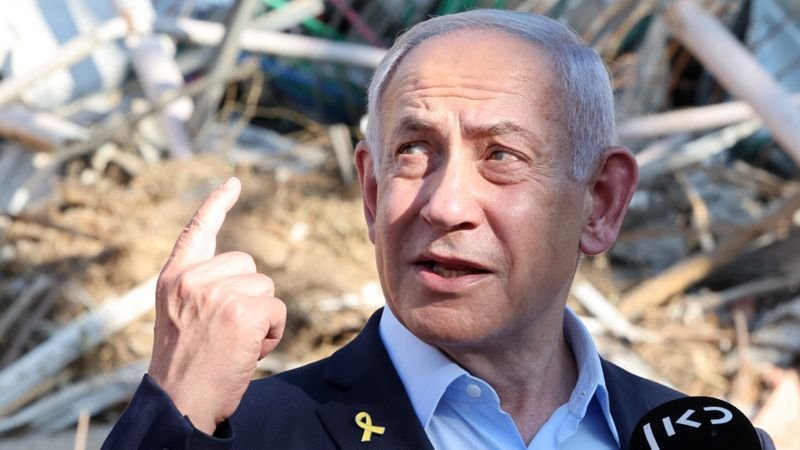
Former President Donald Trump has both threatened and offered incentives in recent weeks. While he reiterated his willingness to bomb Iran again should it resume enrichment at concerning levels, reports also suggest his administration has floated ideas of easing sanctions and unlocking billions in Iranian assets in exchange for a civilian nuclear agreement. Trump has denied these claims, but the mixed messaging complicates any potential diplomatic thaw.
3. Opportunity for National Unity?
In his most recent speech, Khamenei emphasized unity, portraying the Iranian people as collectively standing against foreign aggression. This rare moment of cohesion, if strategically used, could allow him to introduce limited reforms or strengthen nationalistic fervor. However, analysts like Vaez argue that Khamenei’s aversion to fundamental change may prevent him from capitalizing on this moment in any meaningful way.
V. Regional Dynamics and the Path Ahead
1. Frayed Trust with the West
Khamenei’s long-standing mistrust of Western nations has only deepened in the wake of the strikes and the collapse of previous agreements. The unilateral U.S. withdrawal from the 2015 nuclear deal remains a sore point, and the timing of Israel’s recent offensive—just before planned talks between Iran and Washington—has further eroded hopes for negotiations.
2. Evolving Arab Relations
Interestingly, Iran’s Arab neighbors have softened their rhetoric in recent years. Once vocal critics of Tehran’s regional ambitions, several Gulf states now show signs of rapprochement. This shift offers Iran an alternative diplomatic path—but whether Khamenei is willing to explore regional cooperation remains uncertain.
3. Risks of Isolation and Escalation
If Iran chooses a path of renewed nuclear development and increased militarization, it risks greater international isolation and potentially more devastating attacks. Conversely, embracing diplomacy could offer economic relief and strategic breathing room, though it would require significant compromises that could weaken the hardline factions within the regime.
Conclusion
Ayatollah Khamenei finds himself at a decisive junction in the twilight of his leadership. The joint strikes by Israel and the United States have rattled his regime to its core—damaging its military structure, exposing vulnerabilities in its nuclear program, and creating a storm of internal and external challenges. While he projects an image of resilience, the decisions he makes in the coming months will determine not only the future of Iran’s government but also the broader stability of the Middle East. Whether he chooses to retrench or reform, the Islamic Republic stands on the brink of transformation.