






Tanzania is rapidly enhancing its role in regional commerce through the transformation of the Port of Mtwara into a major trade and logistics hub. With modern infrastructure upgrades and new foreign interest, the port is gaining prominence as a strategic gateway to East and Southern Africa. The revitalization effort is not just about boosting trade volume but also positioning Tanzania as an attractive destination for international investors seeking access to the African market.


I. Strategic Importance of the Mtwara Port
1. Infrastructure Overhaul Positions Port for Global Markets
The expansion of the Port of Mtwara includes the construction of a new, modern berth capable of handling large cargo vessels. This development marks a critical shift in Tanzania’s logistics capabilities, enabling the country to handle increased maritime traffic efficiently. As a result, Mtwara is no longer just a regional outpost but a rising player in international shipping networks.

2. Driving Tanzania’s Economic Diplomacy
The transformation of the port aligns with the Tanzanian government’s broader efforts to strengthen its economy through infrastructure-led growth. Under President Samia Suluhu Hassan’s administration, economic diplomacy has become central to national strategy. By investing in logistics and trade facilities, the government aims to create more avenues for exports, facilitate international business, and elevate Tanzania’s global economic standing.
II. International Interest and Investment Opportunities
1. U.S. Endorsement Signals Growing Confidence
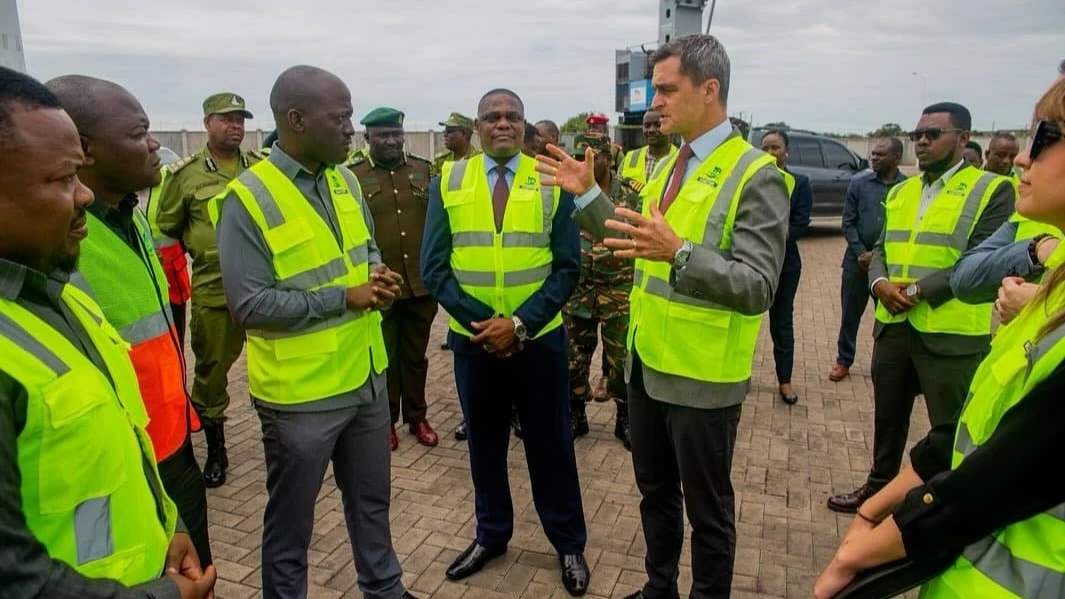
Recent visits by international dignitaries, such as Andrew Lentz, the Acting U.S. Ambassador to Tanzania, reflect the growing interest in Mtwara’s potential. During his tour of the port, Lentz praised the improvements and expressed a strong interest in future cooperation between the U.S. and Tanzania. This endorsement signals to global markets that Tanzania is open for business and offers a stable, investment-friendly environment.

2. Boosting Foreign Direct Investment (FDI)
As the port becomes more efficient and reliable, it serves as a catalyst for attracting foreign direct investment. Investors view modern ports as essential infrastructure that reduces shipping costs, shortens delivery times, and improves trade competitiveness. Mtwara’s transformation could trigger new investments in logistics, warehousing, and industrial development in the surrounding regions.
3. Expanding Trade Across Borders
Beyond its national significance, the Port of Mtwara plays a crucial role in connecting Tanzania with neighboring countries. The improved logistics infrastructure supports trade flows into landlocked nations such as Malawi, Zambia, and parts of Mozambique. This regional connectivity enhances Tanzania’s status as a trade facilitator and reinforces its importance within the Southern African Development Community (SADC).
III. Local Impact and National Development Goals
1. Creating Jobs and Stimulating Local Economies
The port upgrade is expected to generate employment opportunities for local communities. From dockworkers to logistics coordinators, the development will create new roles that support livelihoods and stimulate local economies. As trade volume increases, supporting industries such as transportation, warehousing, and retail are likely to experience growth as well.
2. Encouraging Tourism and Regional Visibility
Mtwara’s new infrastructure may also boost the region’s tourism appeal. Improved accessibility and economic development often lead to increased interest from domestic and international tourists. With its coastal location and cultural richness, Mtwara has the potential to develop into a multi-faceted economic zone that includes both trade and tourism.
3. Supporting National Export Goals
The port’s modernization directly contributes to Tanzania’s long-term goal of becoming an export-driven economy. By offering a more efficient route to global markets, local producers—especially in agriculture and mining—can now access international buyers more easily. This could lead to increased foreign exchange earnings and reduce dependency on imported goods.
IV. Regional Integration and Global Connectivity
1. A Gateway to Continental Trade Agreements
As Africa moves forward with the African Continental Free Trade Area (AfCFTA), efficient ports like Mtwara are essential to its success. Tanzania’s investment in port infrastructure positions the country to benefit from increased intra-African trade. Mtwara can serve as a logistical backbone for exporters and importers looking to trade within the continent more easily and cost-effectively.
2. Enhancing Tanzania’s Role in Maritime Trade
With access to the Indian Ocean, the Port of Mtwara offers a direct maritime route to major global shipping lanes. This enhances Tanzania’s ability to engage in global trade and logistics. The port’s modernization allows it to handle larger vessels and higher cargo volumes, improving the country’s competitiveness in the global supply chain.
3. Strengthening International Partnerships
The port’s development has also prompted increased engagement with foreign governments and companies. From diplomatic visits to new investment proposals, Mtwara’s progress serves as a platform for deeper international cooperation. The improvements reflect Tanzania’s commitment to being a reliable partner in global commerce.
Conclusion
The revitalization of the Port of Mtwara marks a transformative moment in Tanzania’s journey toward becoming a regional trade powerhouse. Backed by strategic infrastructure investments, supportive leadership, and growing international interest, the port is set to play a key role in driving economic development, fostering regional integration, and strengthening Tanzania’s global trade presence. As the gateway opens wider to East and Southern Africa, Mtwara stands not just as a port—but as a symbol of Tanzania’s rising stature on the world stage.