




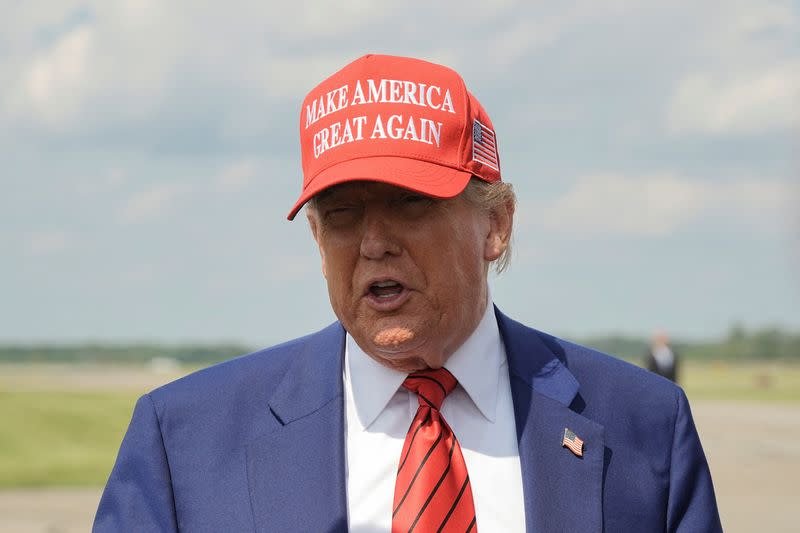


In a move that has sparked both admiration and controversy, Pakistan has officially nominated former U.S. President Donald Trump for the Nobel Peace Prize. The recommendation came in recognition of his “decisive diplomatic intervention” during a critical period of heightened tensions between India and Pakistan. The two nuclear-armed neighbors were on the brink of a broader war earlier this year, and Trump’s involvement is being credited by Islamabad for preventing a catastrophic conflict in the region. This development revives global debate over Trump’s international legacy and his aspirations for recognition as a global peacemaker.

I. Trump’s Role in the India-Pakistan Ceasefire
1. Escalation of Conflict in Kashmir
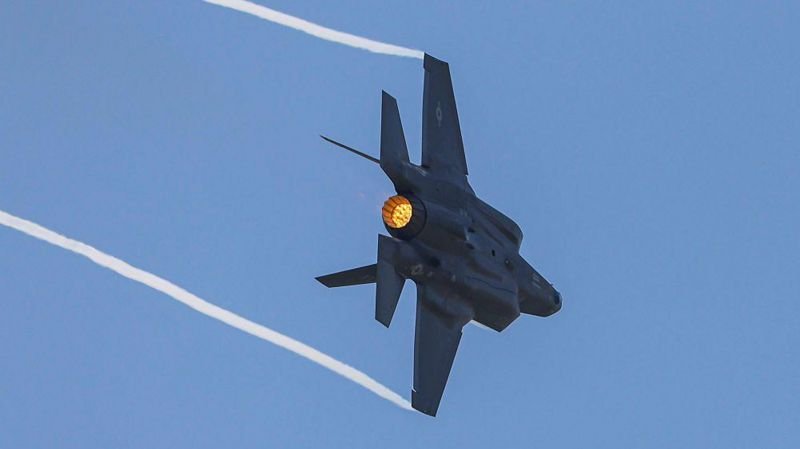
Earlier this year, South Asia witnessed one of its most alarming flare-ups in decades as India and Pakistan exchanged multiple days of cross-border attacks in the disputed Kashmir region. The violence reached levels unseen since the 1971 war, with dozens of casualties on both sides. The region, already volatile due to historical and territorial disputes, was teetering on the edge of full-scale war, drawing concern from the international community.
2. The Ceasefire Agreement of May 8
On May 8, a ceasefire was reached between Islamabad and New Delhi, reportedly with mediation by the United States. Pakistan’s government has publicly credited then-U.S. President Donald Trump for his strategic diplomatic engagement with both nations. According to an official statement, Trump demonstrated “strategic foresight” and “stellar statesmanship,” leading to a crucial de-escalation of tensions. The truce was achieved just as another wave of strikes had begun to ravage the Kashmir region.
II. Pakistan’s Praise for Trump’s Diplomacy
1. Averting Nuclear Conflict
In its formal nomination statement, Pakistan emphasized Trump’s unique role in averting what could have escalated into a full-scale war between two nuclear powers. Officials stated that the former president helped “avert a broader conflict between the two nuclear states that would have had catastrophic consequences for millions of people in the region and beyond.” The praise highlighted Trump’s ability to act quickly and decisively in the face of an imminent international crisis.
2. A Testament to Dialogue Over War
The statement from Islamabad went on to position Trump as a “genuine peacemaker,” noting that his actions reflect a firm belief in resolving disputes through dialogue rather than military aggression. This rhetoric aligns with Trump’s broader messaging on foreign policy, where he often highlights diplomacy as his preferred method for dealing with international tensions.
III. India’s Mixed Response
1. New Delhi’s Denial of U.S. Mediation
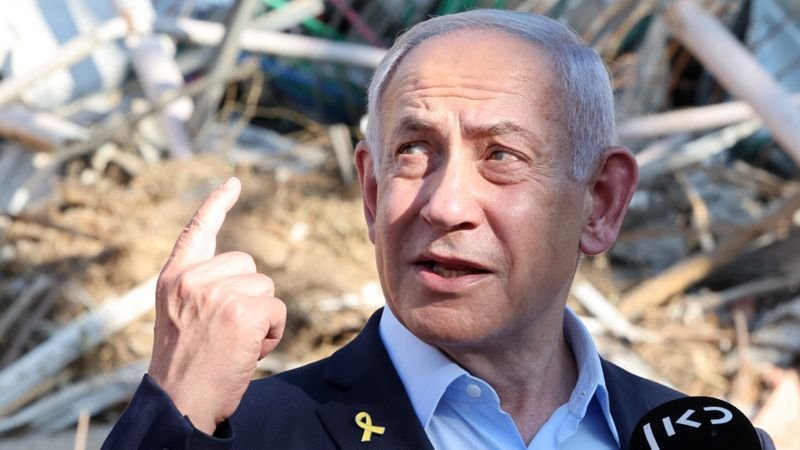
While Pakistan hailed Trump’s intervention, Indian officials offered a starkly different version of events. New Delhi was quick to downplay the United States’ involvement, asserting that the ceasefire was achieved through direct communication between Indian and Pakistani officials. This divergence in narratives underscores the complex and often fragile nature of international diplomacy, particularly in a region marked by deep-rooted animosities and political sensitivities.
2. Narrative Control and National Interests
India’s rejection of U.S. mediation may also stem from its strategic interest in presenting itself as an autonomous regional power capable of managing its own security matters. Recognizing external influence in brokering peace could be interpreted as a limitation of that sovereignty. Nevertheless, the existence of multiple accounts does not diminish the diplomatic weight Trump’s administration may have carried behind the scenes.
IV. Trump’s History with the Nobel Peace Prize
1. A Long-Standing Aspiration
Donald Trump has long sought recognition as a global peace broker. During and after his presidency, he frequently referenced efforts to mediate international conflicts, including those in the Middle East and Eastern Europe. He has previously expressed disappointment for not receiving the Nobel Peace Prize, even after facilitating normalization agreements between Israel and several Arab nations under the Abraham Accords.
2. Frustration with Recognition
In a recent post on his Truth Social platform, Trump lamented, “I won’t get a Nobel Peace Prize for stopping the War between India and Pakistan… no matter what I do, including Russia/Ukraine, and Israel/Iran.” The former president’s frustration highlights his perception of bias within the Nobel selection process and a lack of recognition for what he views as significant diplomatic achievements.
V. Global Crises and Trump’s Criticism of Successors
1. Middle East Conflicts and Biden’s Foreign Policy
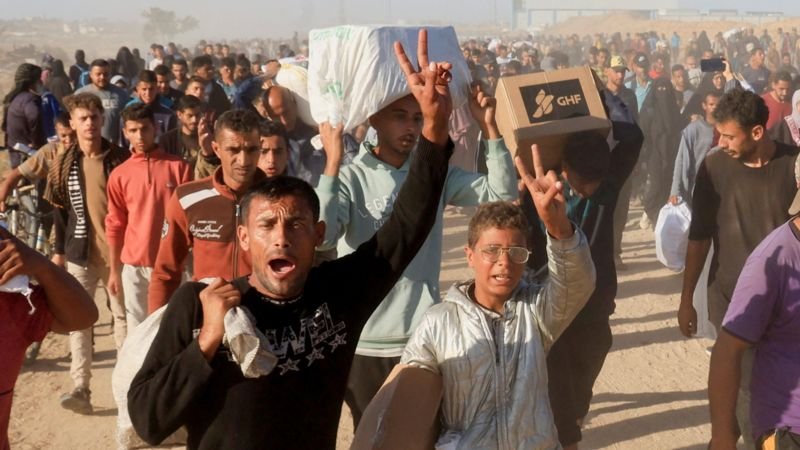
Trump has not shied away from criticizing President Joe Biden’s handling of international conflicts. He particularly targeted Biden’s inability to resolve ongoing crises in Gaza and Ukraine, which have drawn widespread condemnation and humanitarian concern. Trump has pointed to these situations as evidence of failed diplomacy, contrasting them with what he views as his own successful interventions.
2. Recent Israel-Iran Hostilities
A new and dangerous front has emerged in the Middle East with Israel launching airstrikes on Iran, targeting nuclear facilities and high-ranking military personnel. In retaliation, Iran has carried out drone and missile attacks into northern and southern Israel. According to Iranian state media, over 400 people have been killed, while Israel has reported at least 24 deaths. Trump has indicated that he will make a decision regarding U.S. military involvement in Iran within two weeks, signaling that his role in diplomacy may again become a focal point of international discourse.
VI. International Reactions to the Nomination
1. Mixed Global Sentiment
Trump’s nomination for the Nobel Peace Prize has elicited varied reactions. Supporters argue that his administration’s diplomatic efforts in multiple hotspots worldwide, including the Indian subcontinent, merit recognition. Critics, however, see the nomination as politically motivated, given Trump’s polarizing nature and his own contentious record in office.
2. Nobel Committee’s Independence
It is important to note that any individual, organization, or government can nominate a living person for the Nobel Peace Prize. However, the final decision rests with the Norwegian Nobel Committee, which maintains its own criteria for evaluating nominees. Trump’s nomination does not guarantee selection, but it does place his actions under formal scrutiny and consideration.
Conclusion
Donald Trump’s nomination for the Nobel Peace Prize by Pakistan underscores the enduring impact of his foreign policy and his controversial yet undeniable influence on global affairs. While opinions remain divided on the extent and authenticity of his role in the India-Pakistan ceasefire, Islamabad’s formal recognition suggests that his actions were meaningful in at least one corner of the international community. As new conflicts emerge and old ones persist, the conversation around diplomacy, recognition, and peace-making will continue to evolve—whether Trump ultimately secures the prize or not.