





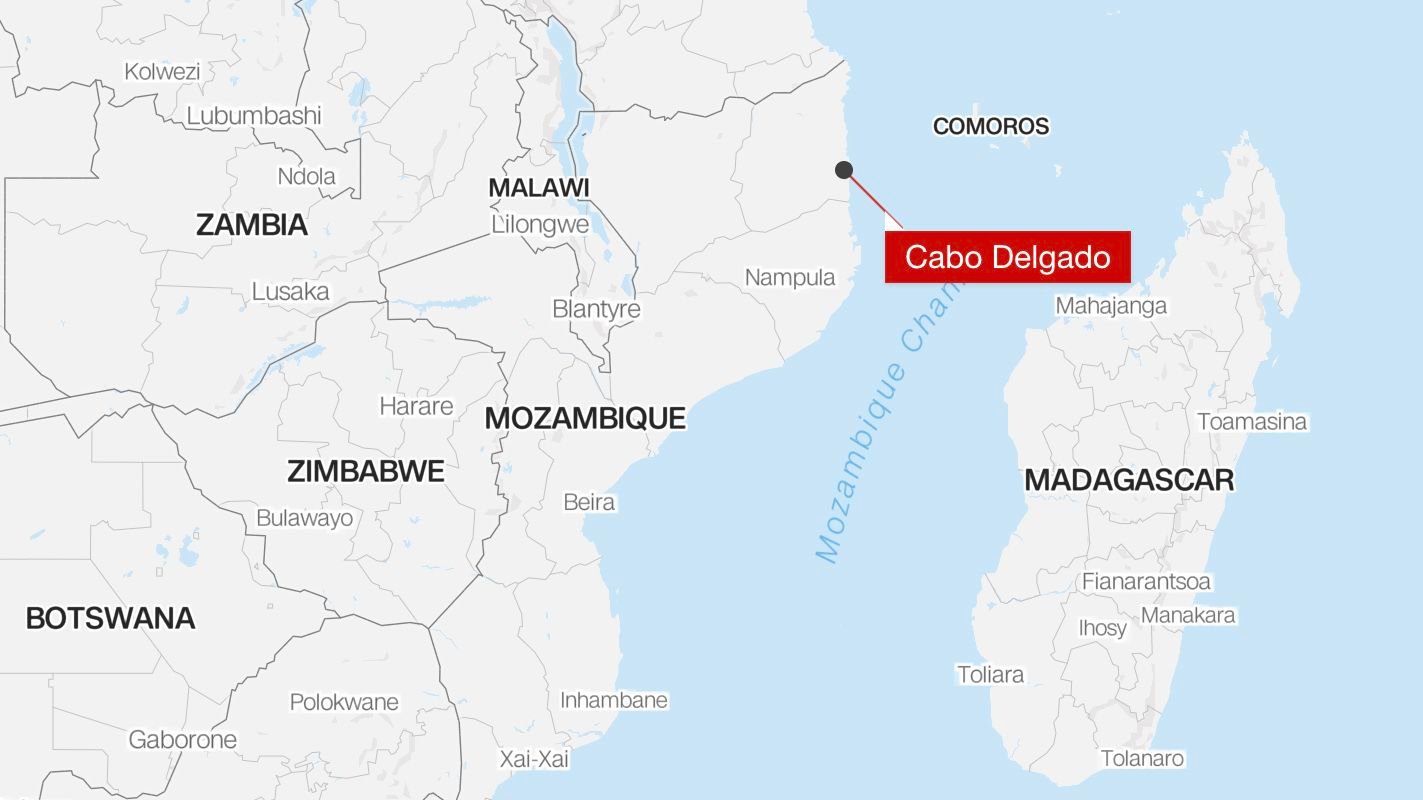


In northern Mozambique’s conflict-ridden Cabo Delgado province, a humanitarian crisis is escalating as jihadist militants abduct at least 120 children, according to Human Rights Watch (HRW). The rise in kidnappings marks a troubling development in a region already devastated by years of insurgency, displacement, and natural disasters.


I. A Resurgence of Violence and Abductions
1. Rising Kidnappings in Cabo Delgado
Over the past few days, HRW has reported the abduction of over 120 children by a local jihadist group linked to the Islamic State, commonly referred to as al-Shabab (distinct from the Somali group of the same name). These children are reportedly being used for a variety of exploitative purposes — from transporting stolen goods and performing forced labor, to being forced into marriages or even recruited as child soldiers.
2. A Worsening Security Landscape
Mozambique has been struggling to contain the insurgency in Cabo Delgado since 2017. Despite military assistance from Rwanda, South Africa, and other regional allies, the violence remains widespread. In 2020, militants shocked the world by launching a brutal campaign that included the beheadings of civilians — many of them children. The recent wave of abductions signals a worrying resurgence in the conflict’s intensity.
II. Children Caught in the Crossfire
1. Forced Into Militancy and Exploitation
Testimonies gathered by human rights organizations indicate that children are being groomed or coerced into militant ranks. Others are enslaved for logistical support roles, such as carrying looted supplies from raided villages. For many abducted girls, the ordeal includes being forced into marriage with insurgent fighters.
2. A Devastating Toll on Families and Communities
The mass abductions have left communities in anguish, with parents desperately searching for any trace of their missing children. The psychological and emotional toll, coupled with the already dire economic situation, has compounded the suffering of local populations.
III. A Humanitarian Emergency Overlooked
1. Widespread Displacement and Food Insecurity
According to the United Nations, over 600,000 people have been displaced by the insurgency, with violence spilling into neighboring provinces. The humanitarian toll continues to mount. The Norwegian Refugee Council (NRC) estimates that over 5 million people across Mozambique now face critical food insecurity, with nearly 1 million at emergency hunger levels.
2. Natural Disasters Deepen the Crisis
Cabo Delgado’s vulnerability has been amplified by repeated climate shocks, including several recent cyclones. These weather events have wiped out infrastructure, flooded fields, and made humanitarian access even more difficult. This convergence of conflict and climate disaster has plunged the region into what aid workers describe as a “neglected crisis.”
IV. International Aid and Government Response
1. Insufficient Action From Authorities
Human Rights Watch has called on the Mozambican government to intensify its efforts to locate and rescue kidnapped children. While the state has been battling the insurgents for years, critics argue that existing military strategies have failed to prevent atrocities or protect vulnerable populations.
2. Impact of Foreign Aid Cuts
The country’s limited ability to respond has been compounded by reductions in international support. U.S. President Donald Trump’s cuts to foreign aid have severely affected humanitarian programs in Mozambique, leaving critical initiatives underfunded or suspended. These cuts have not only weakened emergency relief efforts but have also undermined long-term development projects aimed at stabilizing the region.
V. A Cry for Global Attention
1. Aid Groups Call for Renewed Focus
Jan Egeland, Secretary General of the Norwegian Refugee Council, recently visited Cabo Delgado and warned that the crisis is spiraling further out of control. “Climate shocks, increasing violence, and spiraling hunger are having a terrible impact on the population,” Egeland said. His remarks underscore a broader appeal by aid organizations for more global attention and resources.
2. Humanitarian Projects in Peril
Many critical projects run by NGOs are now in limbo due to funding cuts or logistical constraints. With violence cutting off access to vulnerable communities, and climate change destroying infrastructure, the operational capacity of humanitarian agencies has been pushed to the brink.
Conclusion
The resurgence of child kidnappings in northern Mozambique highlights the deepening crisis in Cabo Delgado. As insurgent violence intensifies, children have become the most vulnerable victims—forced into militancy, labor, or early marriages. Despite ongoing military efforts and regional cooperation, the Mozambican government has been unable to contain the insurgency or protect its civilians. With foreign aid dwindling and humanitarian needs rising, there is a pressing need for renewed international engagement. The lives of thousands of children depend on urgent, coordinated action before the situation spirals further into tragedy.








