



Technological Advancements Transforming Our World
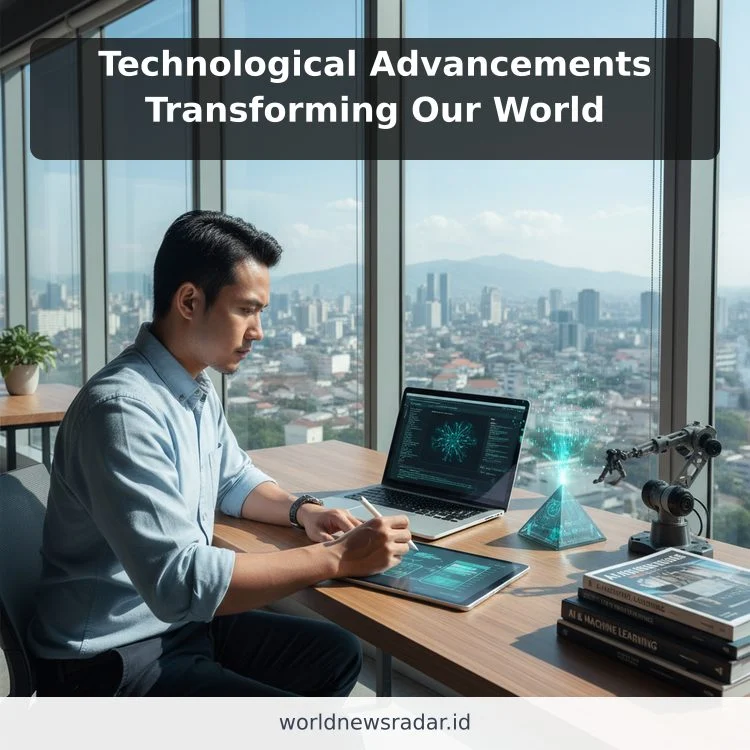
In an age where information travels at the speed of light, keeping abreast of the latest developments is not merely a choice but a necessity. The relentless march of innovation continues to reshape every facet of human existence, from how we communicate and conduct business to how we receive our daily dose of news. This article, proudly brought to you by WorldNewsRadar.id, delves into the monumental technological advancements that are fundamentally transforming our world. We will explore how these breakthroughs are creating unprecedented opportunities, addressing complex global challenges, and at times, introducing new dilemmas. From artificial intelligence to biotechnology, and from the burgeoning metaverse to sustainable energy solutions, the landscape is shifting at an astonishing pace. Staying informed through reliable sources like a trusted newspaper or a comprehensive online news platform is crucial to understanding these monumental shifts. As we navigate this ever-evolving technological frontier, understanding its implications becomes paramount for individuals, businesses, and governments alike. We aim to provide a clear, insightful, and factual overview that will help our readers comprehend the magnitude of these changes, drawing from the latest insights much like one would expect from top-tier news organizations such as BBC News.


The Dawn of Artificial Intelligence and Machine Learning
Artificial Intelligence (AI) and Machine Learning (ML) are undeniably at the forefront of technological transformation, fundamentally altering industries and daily life. These sophisticated technologies enable machines to perform tasks that typically require human intelligence, including learning, problem-solving, and decision-making. We see AI manifested in countless applications, from the predictive text on our smartphones to the complex algorithms driving self-driving cars. In healthcare, AI is revolutionizing diagnosis and drug discovery, with algorithms analyzing medical images to detect diseases like cancer with greater accuracy than human experts, and accelerating the identification of potential drug compounds in pharmaceutical research. The financial sector utilizes AI for fraud detection, algorithmic trading, and personalized financial advice, leading to more efficient and secure transactions. Retail giants leverage ML to analyze consumer behavior, personalize shopping experiences, and optimize supply chains, resulting in increased efficiency and customer satisfaction. The impact is profound; for instance, according to a report by Accenture, AI could boost economic growth by an average of 1.7 percentage points across 16 industries by 2035. Understanding these shifts is vital for anyone following world news, as AI’s influence continues to expand into politics, security, and global economics.

Revolutionizing Connectivity with 5G and IoT
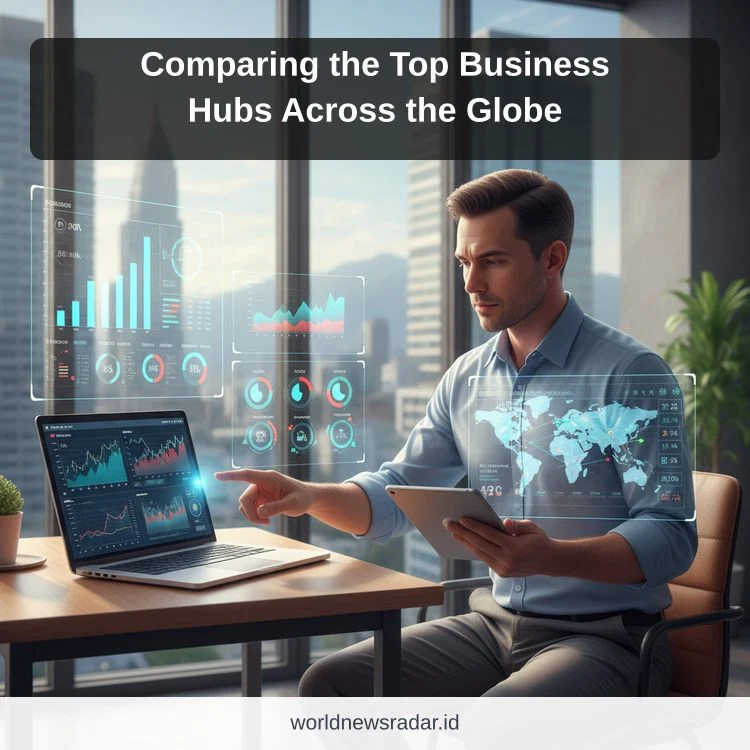
The advent of 5G technology marks a quantum leap in global connectivity, offering unprecedented speeds, ultra-low latency, and greater capacity compared to its predecessors. This isn’t just about faster downloads; 5G is the backbone that will unlock the full potential of the Internet of Things (IoT), intertwining our physical and digital worlds in ways previously unimaginable. IoT refers to the vast network of physical objects embedded with sensors, software, and other technologies that connect and exchange data over the internet. Imagine smart cities where traffic lights adapt in real-time to congestion, waste management systems optimize collection routes, and public safety surveillance becomes more reactive and predictive. In industrial settings, 5G-enabled IoT devices facilitate predictive maintenance for machinery, reducing downtime and operational costs significantly. Smart homes, already a burgeoning market, will become more seamlessly integrated and automated, with appliances communicating effortlessly to anticipate our needs. The agricultural sector is also seeing transformative changes, with smart sensors monitoring soil conditions and crop health, optimizing irrigation and fertilization, leading to higher yields and reduced resource consumption. According to Statista, the number of active IoT devices is projected to grow from 15.1 billion in 2023 to 29.7 billion in 2030, underscoring the massive scale of this interconnected future, a trend often highlighted in daily news reports on technological infrastructure.

Advancements in Biotechnology and Healthcare
Biotechnology stands as a beacon of hope, driving monumental advancements in healthcare, agriculture, and environmental sustainability. From gene editing to personalized medicine, these breakthroughs are not only extending human lifespan but also improving the quality of life significantly. CRISPR-Cas9 technology, for instance, has revolutionized gene editing, allowing scientists to precisely modify DNA sequences, offering potential cures for genetic diseases like cystic fibrosis, sickle cell anemia, and Huntington’s disease. This precision also opens up avenues for developing crops with enhanced nutritional value and resistance to pests and diseases, addressing global food security challenges. Personalized medicine, another core aspect of biotech, utilizes an individual’s genetic profile, lifestyle, and environment to tailor medical treatments. This approach moves away from the one-size-fits-all model, leading to more effective therapies with fewer side effects, particularly in oncology and pharmacology. Furthermore, advancements in vaccine technology, exemplified by the rapid development of mRNA vaccines, demonstrate the incredible speed and efficacy biotechnology can achieve in combating global health crises. Regenerative medicine, focusing on repairing or replacing damaged tissues and organs, also shows immense promise, with stem cell therapies and 3D bioprinting paving the way for future medical interventions. This area of innovation frequently makes headlines in daily news due to its profound ethical and societal implications, prompting vital discussions globally.
The Rise of Sustainable Technologies
As the world grapples with the escalating climate crisis, sustainable technologies have emerged as a critical frontier in innovation. These advancements are focused on minimizing environmental impact, conserving resources, and transitioning towards a greener future. Renewable energy sources, particularly solar and wind power, have seen exponential growth and efficiency improvements. Solar panels are becoming more affordable and efficient, and wind turbines are growing in size and power output, making these energy sources increasingly competitive with fossil fuels. Battery technology, crucial for storing intermittent renewable energy, is also undergoing rapid evolution, with advancements in lithium-ion and solid-state batteries promising greater energy density and faster charging times for electric vehicles and grid-scale storage. Beyond energy generation, sustainable technologies encompass a wide array of innovations. Carbon capture and storage (CCS) technologies are being developed to remove carbon dioxide from industrial emissions and the atmosphere, mitigating greenhouse gas concentrations. Furthermore, advancements in sustainable agriculture, such as vertical farming and precision agriculture, reduce land and water usage while increasing food production. Eco-friendly materials, like biodegradable plastics and recycled construction materials, are also playing a vital role in reducing waste and promoting circular economy principles. The push for these technologies is a constant topic in world news, reflecting global efforts to tackle climate change and achieve environmental stability.
Navigating the Metaverse and Web3
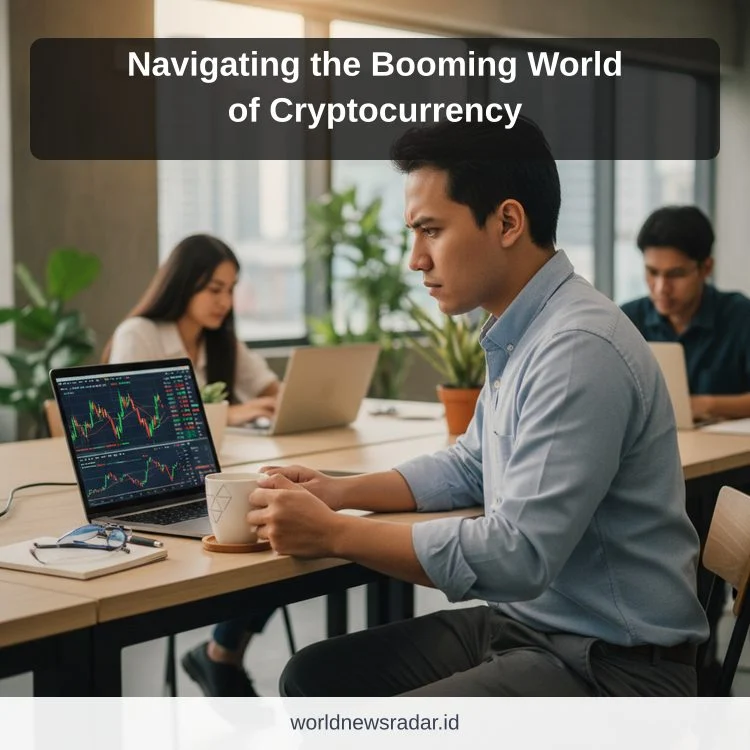
The concepts of the Metaverse and Web3 represent the next evolutionary stage of the internet, promising to revolutionize how we interact, work, and play in digital spaces. The Metaverse is envisioned as a persistent, interconnected virtual world where users, represented by avatars, can engage in a myriad of activities, from attending virtual concerts and conducting business meetings to owning digital assets and exploring fantastical landscapes. This immersive experience is facilitated by technologies like virtual reality (VR) and augmented reality (AR), which blur the lines between the physical and digital realms. Web3, on the other hand, is the underlying decentralized internet infrastructure that will power much of the Metaverse. Built on blockchain technology, Web3 aims to give users more control over their data and digital identities, moving away from centralized platforms dominated by tech giants. Cryptocurrencies and Non-Fungible Tokens (NFTs) are integral to Web3, enabling secure digital ownership and transactions within these virtual economies. Imagine purchasing a plot of virtual land in the Metaverse as an NFT, building a digital storefront, and selling virtual goods or services using cryptocurrency – this is the future Web3 enables. While still in nascent stages, major tech companies and startups are investing billions, recognizing the immense potential. Challenges abound, including interoperability, scalability, and ethical considerations, but the promise of a more open, user-centric internet as a new world news frontier is undeniably intriguing, captivating the attention of investors and technologists alike.
Ethical Dilemmas and Societal Impact of Technology
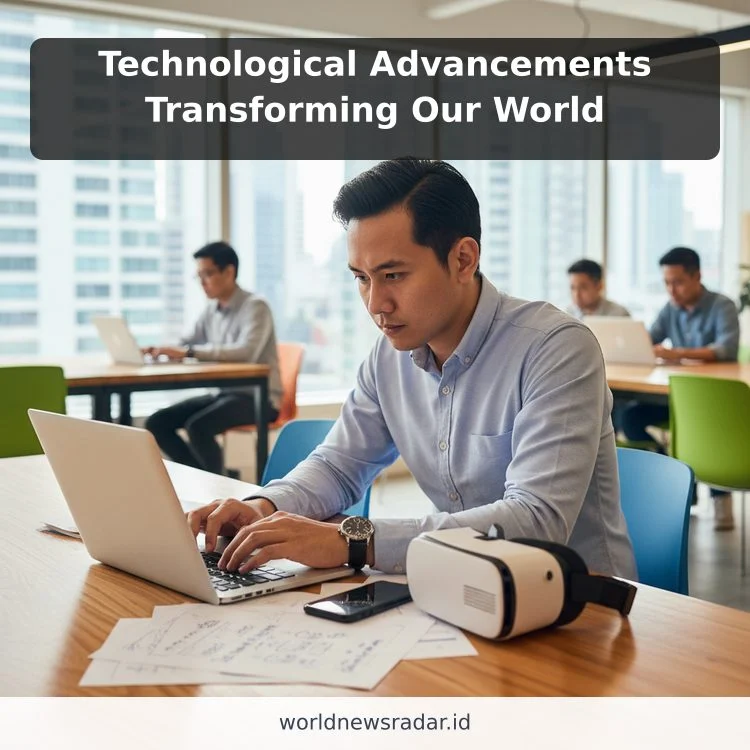
While technological advancements offer immense promise, they also introduce complex ethical dilemmas and profound societal impacts that require careful consideration. The rapid progress in fields like AI and biotechnology, for instance, raises critical questions about privacy, bias, and control. AI algorithms, trained on vast datasets, can inadvertently perpetuate and even amplify existing societal biases, whether in facial recognition software leading to wrongful arrests or in hiring algorithms discriminating against certain demographics. The collection and analysis of personal data by ubiquitous devices and platforms provoke serious privacy concerns, necessitating robust data protection regulations. In biotechnology, the ability to edit genes in human embryos, while offering potential cures for diseases, ventures into uncharted ethical territory regarding designer babies and unforeseen long-term consequences for the human gene pool. Automation, driven by AI and robotics, poses a significant threat to traditional employment structures, potentially leading to mass job displacement and exacerbating economic inequality. The spread of misinformation and disinformation through social media platforms, amplified by algorithmic recommendations, undermines democratic processes and societal cohesion. These are not merely abstract problems but tangible challenges that demand a multidisciplinary approach involving policymakers, technologists, ethicists, and the public. As reported by news outlets globally, navigating these ethical landscapes will be crucial in ensuring that technological progress serves humanity’s best interests, not its detriment. Discussions around these issues permeate our daily news, as the implications are far-reaching and touch every aspect of life, demanding urgent and thoughtful engagement from all sectors of society to prevent unforeseen negative consequences that could unravel the fabric of our communities and global stability. A truly informed population, relying on comprehensive world news coverage, is vital to guiding these crucial discussions effectively.
The Future Landscape: Challenges and Opportunities
As we peer into the future, the technological landscape continues to promise both unprecedented opportunities and formidable challenges. The convergence of AI, biotechnology, and quantum computing could unlock solutions to some of humanity’s most intractable problems, from climate change and disease to poverty and resource scarcity. Imagine quantum computers accelerating drug discovery beyond our current capabilities, or AI systems optimizing global energy grids for maximum efficiency and minimal waste. However, realizing these potentials requires overcoming significant hurdles. Cybersecurity threats will continue to escalate in sophistication, demanding constant innovation in defense mechanisms. The digital divide, which currently separates those with access to technology from those without, could widen further, necessitating concerted global efforts to ensure equitable access and digital literacy. Ethical governance of advanced AI and autonomous systems will be paramount to prevent misuse and ensure alignment with human values. Furthermore, the societal adaptation to rapid technological change, particularly concerning workforce retraining and the redefinition of work, will be an ongoing challenge. Education systems must evolve to equip future generations with the skills needed for an AI-driven economy. Governments and international organizations will play a crucial role in fostering responsible innovation, creating regulatory frameworks that encourage progress while safeguarding public interest. This ongoing narrative of challenge and opportunity is a constant feature across a wide range of news, from a local newspaper to international BBC News reports, highlighting the universal impact of technology on our collective future. The ability to harness these advancements responsibly will determine our trajectory as a civilization, making informed public discourse and careful policy-making more critical than ever. The constant evolution requires adaptive strategies and a global commitment to inclusive and ethical technological development.
Impact on Politics and Global Governance
Technological advancements are profoundly reshaping the landscape of politics and global governance, introducing new mechanisms for citizen engagement while simultaneously presenting novel challenges to traditional power structures. Digital platforms have revolutionized political discourse, allowing for unprecedented levels of public participation, rapid dissemination of information, and the mobilization of social movements. However, this same connectivity also facilitates the spread of misinformation, propaganda campaigns, and cyber warfare, posing significant threats to democratic processes and national security. Countries are increasingly leveraging AI for intelligence gathering, surveillance, and autonomous weaponry, raising complex ethical questions about the future of warfare and international relations. Furthermore, the rise of global tech giants, whose influence often transcends national borders, challenges the sovereignty of states and the efficacy of traditional regulatory frameworks. The regulation of emerging technologies, such as AI and cryptocurrency, has become a pressing international issue, with nations grappling to establish common standards while protecting their strategic interests. The digital economy, empowered by blockchain and other Web3 technologies, introduces new forms of cross-border transactions and digital identities that governments are struggling to define and control, leading to intricate legal and geopolitical considerations. The ongoing trade disputes and geopolitical tensions surrounding technological supremacy, particularly in areas like 5G infrastructure and semiconductor manufacturing, underscore the critical role technology plays in defining global power dynamics. Keeping up with these developments through reliable world news sources, like a well-respected newspaper or a comprehensive online news portal, is essential for understanding the evolving geopolitical landscape and the future of global cooperation and competition, a frequent topic on BBC News and other major international outlets.
The Transformation of Business and Economy
The business and economic sectors are undergoing a radical transformation driven by technological advancements, fundamentally altering how goods and services are created, distributed, and consumed. Automation, powered by robotics and AI, is optimizing manufacturing processes, increasing efficiency, and reducing labor costs, leading to a new era of smart factories. E-commerce platforms, enhanced by AI-driven personalization and logistics, continue to dominate retail, reshaping consumer expectations and challenging traditional brick-and-mortar businesses. The gig economy, facilitated by mobile applications and digital marketplaces, has restructured employment models, offering flexibility but also raising debates about worker rights and social safety nets. Blockchain technology is revolutionizing financial services by enabling secure, transparent, and decentralized transactions, challenging established banking systems and paving the way for new forms of digital assets and smart contracts. Data analytics, leveraging big data and machine learning, empowers businesses with unprecedented insights into market trends, customer behavior, and operational efficiencies, enabling data-driven decision-making. Furthermore, the rapid pace of innovation fosters intense competition, pushing companies to continuously adapt and embrace digital transformation to remain relevant. Startups, often fueled by venture capital, are disrupting established industries with innovative technological solutions, demonstrating the agility needed in this dynamic environment. The global supply chain, once vulnerable to disruptions, is becoming more resilient and transparent through the application of IoT and blockchain, allowing for real-time tracking and optimized logistics. These economic shifts are constantly scrutinized in business sections of daily news and financial newspapers, providing crucial insights for investors, entrepreneurs, and policymakers navigating the complexities of the modern global economy.
Future of Education and Work
The intricate relationship between technological advancements and the future of education and work is rapidly evolving, demanding a paradigm shift in skill development and career pathways. The rise of automation and AI is augmenting human capabilities in many professions while simultaneously rendering certain traditional jobs obsolete. This necessitates a strong emphasis on lifelong learning and upskilling, equipping the workforce with competencies such as critical thinking, creativity, complex problem-solving, and emotional intelligence—skills that are less susceptible to automation. Education is also undergoing a profound transformation. Online learning platforms, virtual reality simulations, and AI-powered personalized learning tools are making education more accessible, customizable, and engaging. Imagine medical students practicing complex surgeries in a VR environment or history lessons coming alive through augmented reality. The traditional classroom model is being challenged, moving towards hybrid learning environments and competency-based education. The concept of “work” itself is expanding beyond the conventional 9-to-5 office setup, with remote work, flexible schedules, and the gig economy becoming increasingly prevalent, accelerated by technologies that enable seamless virtual collaboration. Businesses are investing in training programs to reskill their employees for roles that harness emerging technologies, rather than being displaced by them. The ability to adapt to new tools and methodologies, to collaborate effectively across geographical boundaries, and to continuously learn will be paramount for individual career longevity and economic resilience. Educational institutions, guided by insights from world news on industry trends, are redesigning curricula to prepare students for jobs that may not even exist yet, emphasizing adaptability and digital fluency as core competencies for the future workforce.
Conclusion
The journey through the intricate world of technological advancements confirms an undeniable truth: we are living in an era of unprecedented change. From the transformative power of AI and the omnipresence of 5G and IoT, to the ethical frontiers of biotechnology and the promise of sustainable solutions, every sector of human endeavor is being reshaped. WorldNewsRadar.id is committed to providing comprehensive and timely coverage of these monumental shifts, ensuring our readers remain informed and prepared for what lies ahead. The rise of the Metaverse and Web3 heralds a new digital frontier, while accompanying challenges in ethical governance, data privacy, and the future of work demand thoughtful societal engagement. As individuals, businesses, and governments, our ability to adapt, innovate responsibly, and embrace continuous learning will determine our collective progress. Stay connected with WorldNewsRadar.id for your daily news and in-depth analysis. The future is not a passive outcome but an active creation, shaped by our choices and guided by an informed understanding of these powerful technologies. Engage with the discourse, understand the implications, and contribute to building a future that leverages technology for the betterment of all. Your reliable newspaper and online news source will be crucial in navigating this ever-evolving landscape, much like BBC News provides global context.