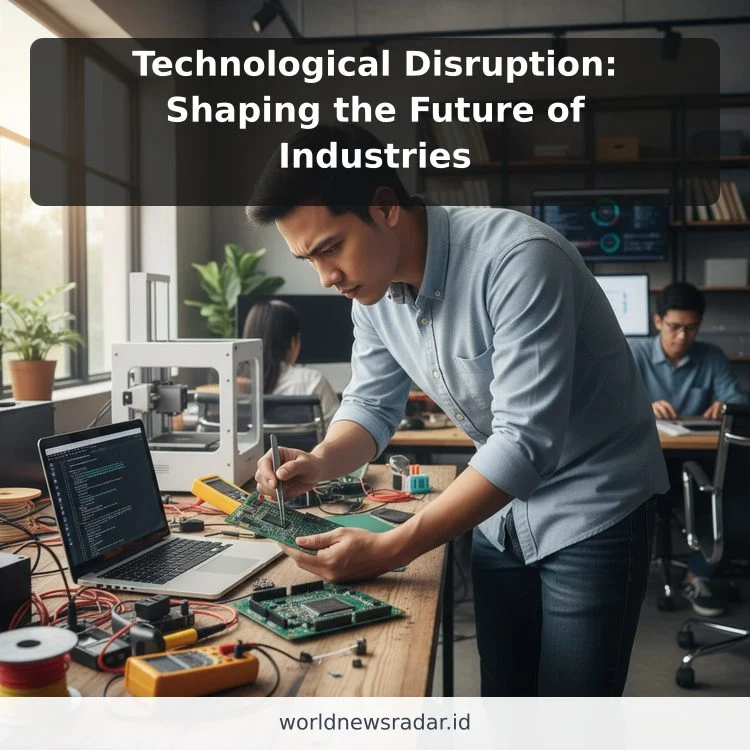
In an era defined by rapid advancements, the very fabric of our global society is being reshaped at an unprecedented pace. From the bustling corridors of finance to the quiet innovation labs, a powerful force is at play: technological disruption. This isn’t merely about new gadgets or software updates; it’s a fundamental reimagining of how industries operate, how businesses create value, and how individuals live and work. The challenges posed by this relentless innovation are manifold, demanding constant adaptation and foresight. Businesses that fail to recognize and embrace these shifts risk obsolescence, while those that proactively harness them stand to gain immense competitive advantages. This article, brought to you by Worldnewsradar.id, will delve into the multifaceted impact of modern technology, exploring how it is fundamentally altering key sectors and what strategies are essential for navigating this transformative landscape. We’ll examine the core drivers of this disruption, provide concrete examples of its impact, and highlight the actionable insights necessary for success in this ever-evolving environment, drawing parallels from what you might read in a typical newspaper or even from the comprehensive coverage found on BBC News.


Understanding the Core Drivers of Technological Disruption
Technological disruption isn’t a singular event but a continuous process fueled by several interconnected drivers. At its heart lies the exponential growth of computing power, adhering to Moore’s Law, which has provided the foundation for increasingly complex and capable systems. Artificial Intelligence (AI) and Machine Learning (ML) are paramount among these drivers, enabling machines to learn from data, make predictions, and automate tasks previously requiring human intellect. For instance, in healthcare, AI-powered diagnostics can identify diseases like cancer with greater accuracy and speed than human doctors alone, as evidenced by studies published in leading medical journals. Similarly, in finance, algorithmic trading, driven by sophisticated AI, processes vast amounts of market data in milliseconds, executing trades that would be impossible for human traders to manage. The ubiquitous availability of high-speed internet and the proliferation of smart devices have also created a vast network for information exchange, fostering innovation and enabling new business models. Cloud computing provides scalable and flexible infrastructure, democratizing access to powerful computing resources for startups and established enterprises alike, freeing them from the high costs of maintaining their own data centers. Blockchain technology, initially popularized by cryptocurrencies, is now finding applications beyond finance, offering secure and transparent ways to manage supply chains, verify identities, and even conduct elections. The synergy of these technologies creates a powerful force, constantly pushing the boundaries of what’s possible and fundamentally challenging existing paradigms across all sectors of the global economy, as regularly discussed in daily news analyses.
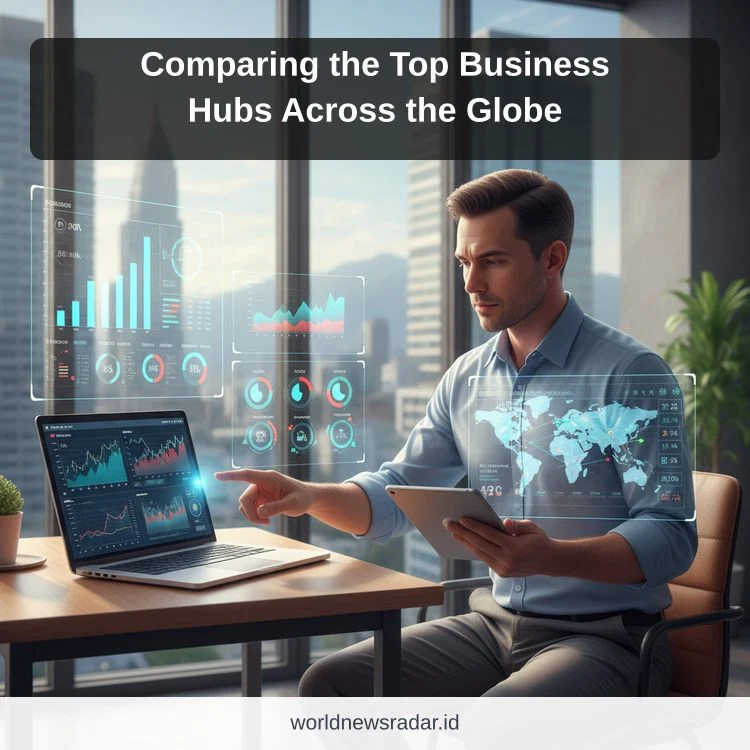

Redefining Industries: From Manufacturing to Services
The impact of technological disruption is profoundly reshaping industries across the spectrum, from traditional manufacturing to the most modern service sectors. In manufacturing, the advent of Industry 4.0 – characterized by automation, robotics, and the Internet of Things (IoT) – is creating “smart factories.” These facilities use interconnected sensors and intelligent machines to monitor production processes in real-time, anticipate maintenance needs, and optimize efficiency. For example, major automotive manufacturers like Mercedes-Benz and BMW employ highly automated assembly lines where robots perform tasks with precision and speed far beyond human capabilities, leading to higher quality and lower production costs. 3D printing, or additive manufacturing, is revolutionizing prototyping and even end-product manufacturing, allowing for rapid iteration and customization, particularly in specialized fields like aerospace and medical devices. In the service sector, the upheaval is equally dramatic. Financial services are experiencing a fintech revolution, with mobile banking, robo-advisors, and peer-to-peer lending platforms bypassing traditional banking structures. Companies like PayPal and Square have transformed payment processing, while challenger banks offer entirely digital experiences. Healthcare is seeing a surge in telemedicine, wearable health monitors, and AI-driven drug discovery, making medical care more accessible and personalized. The retail industry has been fundamentally altered by e-commerce giants like Amazon, which leverage data analytics and sophisticated logistics to offer unparalleled convenience and selection, pushing traditional brick-and-mortar stores to adapt or perish. Even the media landscape, a constant subject in world news, has shifted dramatically with the rise of digital platforms, challenging traditional newspapers and broadcasters to innovate their delivery and content models to stay relevant.

The Evolving Landscape of Work and Employment
Technological disruption is fundamentally transforming the nature of work and the landscape of employment, generating both challenges and opportunities. Automation, powered by robotics and artificial intelligence, is taking over repetitive and routine tasks, leading to efficiency gains but also raising concerns about job displacement. For instance, customer service centers are increasingly deploying AI-powered chatbots to handle common inquiries, freeing human agents to address more complex issues. Similarly, in logistics, automated warehouses utilize robots to sort and move packages, streamlining operations and reducing labor costs. This shift necessitates a re-evaluation of educational systems and workforce development programs. The demand for new skills, particularly in areas like data science, cybersecurity, AI development, and digital literacy, is escalating rapidly. Continuous learning and upskilling are no longer optional but essential for individuals to remain relevant in a dynamic job market. Gig economy platforms, facilitated by mobile technology, have created new flexible work arrangements, allowing individuals to offer services like ridesharing (Uber, Lyft) or food delivery (DoorDash, Grab) on demand. While offering flexibility, these platforms also introduce debates about worker rights, benefits, and job security. The rise of remote work, accelerated by the COVID-19 pandemic, has been largely enabled by collaboration tools and high-speed internet, allowing companies to tap into a global talent pool and offering employees greater work-life balance, but also presenting challenges in team cohesion and managing distributed workforces. Societies must grapple with the ethical and social implications of these changes, exploring universal basic income or other social safety nets to support those whose jobs are displaced, a topic frequently discussed in daily news analyses and policy debates around the globe.
Navigating the Ethical and Regulatory Labyrinth
As technological disruption accelerates, it inevitably leads to complex ethical dilemmas and calls for robust regulatory frameworks. The pervasive collection and analysis of personal data, fundamental to many AI applications and digital services, raise serious concerns about privacy. Companies leveraging big data, such as social media platforms, often face scrutiny for their data collection practices and how that data is used, potentially for targeted advertising or even political manipulation. This has fueled the implementation of regulations like GDPR in Europe and CCPA in California, aiming to give individuals more control over their personal information. The development of advanced artificial intelligence brings forth questions of algorithmic bias, fairness, and accountability. If an AI system makes a discriminatory decision, who is responsible? For example, AI-powered facial recognition systems have been found to have higher error rates for certain demographic groups, leading to calls for ethical AI development and rigorous testing. The potential for autonomous weapons systems also presents a profound ethical challenge, prompting international debates on the control and morality of lethal autonomous weapons. Monopoly power held by tech giants, enabled by network effects and access to vast data sets, is another significant regulatory concern. Governments worldwide are investigating antitrust issues related to companies like Google, Apple, Facebook, and Amazon, fearing that their dominance stifles competition and innovation. Cybersecurity threats, ranging from data breaches to critical infrastructure attacks, underscore the need for international cooperation and strong national security measures to protect digital assets and public safety. Navigating this intricate landscape requires a delicate balance between fostering innovation and safeguarding societal values, a challenge that governments and international bodies are actively addressing, often highlighted in the world news and policy briefings.
Strategies for Success in a Disruptive Era
In an era defined by continuous technological disruption, individuals, businesses, and governments must adopt proactive strategies to thrive. For individuals, lifelong learning and skill development are paramount. Investing in education and training, particularly in areas like digital literacy, critical thinking, problem-solving, and adaptability, will be crucial for navigating evolving job markets. Embracing a growth mindset, rather than resisting change, allows for continuous personal and professional development. Businesses, regardless of their size or industry, must foster a culture of innovation. This involves encouraging experimentation, allocating resources for research and development, and being willing to pivot business models when necessary. Companies like Netflix, which transitioned from DVD rental to streaming, exemplify this adaptability. Strategic partnerships with technology startups or academic institutions can accelerate innovation and provide access to cutting-edge research. Digital transformation is no longer optional but a necessity. This entails integrating digital technologies across all business functions, from customer relations to supply chain management, to enhance efficiency and customer experience. Embracing data analytics to inform decision-making is also critical. Governments play a vital role in creating an ecosystem conducive to innovation while mitigating its risks. This includes investing in digital infrastructure, reforming educational systems to meet future workforce demands, and developing agile regulatory frameworks that can keep pace with technological advancements without stifling progress, a constant subject in world news and economic forums. Encouraging public-private partnerships can also drive significant technological breakthroughs and ensure their responsible implementation. By focusing on these proactive strategies, societies can harness the immense potential of technological disruption to drive economic growth, societal progress, and an improved quality of life for all, as often discussed in detailed analyses, much like those found on BBC News.
The Imperative of Continuous Adaptation and Foresight
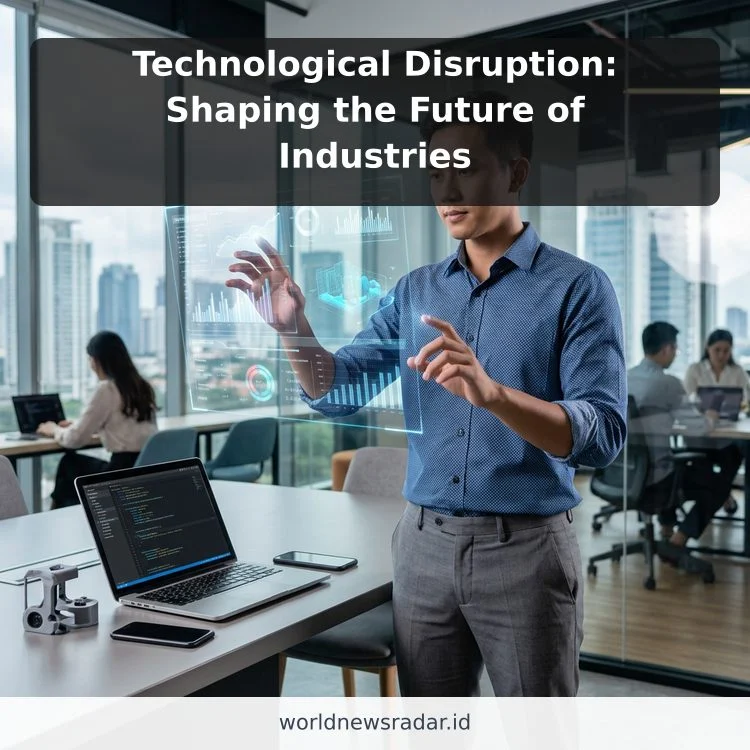
The relentless march of technological disruption demands not just adaptation, but a proactive stance of continuous foresight. Simply reacting to changes as they occur is no longer sufficient; individuals, businesses, and nations must cultivate the ability to anticipate future trends and prepare for them. This involves rigorous trend analysis, investing in scenario planning, and fostering a deep understanding of emerging technologies. For instance, while AI and blockchain are currently at the forefront, exploring the potential of quantum computing or advanced biotechnologies today will shape future strategies. Businesses, in particular, must develop organizational agility, allowing them to rapidly reconfigure resources, processes, and strategies in response to market shifts. This means moving away from rigid hierarchical structures towards more flexible, cross-functional teams that can innovate quickly. Companies that embed innovation into their DNA, making it an ongoing process rather than a sporadic effort, are better positioned to weather disruptive storms. Beyond internal adjustments, fostering ecosystems of innovation is crucial. This includes collaborating with startups, universities, and even competitors to co-develop solutions and share knowledge. Open innovation models can accelerate progress and distribute the risks associated with cutting-edge research. Governments must also assume a role as enablers, crafting policies that encourage investment in R&D, protect intellectual property, and ensure a fair competitive landscape. This can involve creating regulatory sandboxes for new technologies, allowing for experimentation under controlled conditions, and supporting digital literacy initiatives across the population. The long-term implications of technological disruption extend to societal structures, requiring continuous dialogue on topics like equitable access to technology, digital divides, and the future of democratic institutions in an increasingly data-driven world, subjects frequently explored in daily news and global policy discussions. Failure to engage in this continuous adaptation and foresight risks not just economic stagnation, but societal instability, making it a critical imperative for all stakeholders.
Embracing the Digital Frontier: Opportunities and Challenges
Embracing the digital frontier presents an unparalleled array of opportunities, alongside significant challenges, for every sector. The sheer scale of data now available, often referred to as big data, offers unprecedented insights into consumer behavior, market trends, and operational efficiencies. Businesses can leverage these insights to personalize customer experiences, optimize supply chains, and identify new market niches. For example, retailers use purchase history and browsing data to recommend products, dramatically increasing engagement and sales. The global connectivity offered by the internet has democratized access to markets, allowing small businesses to reach international customers and fostering the growth of e-commerce across various platforms. This has opened up new avenues for economic development, particularly in developing nations looking to participate in the global economy. Furthermore, the rise of digital platforms has enabled new forms of collaboration and innovation, from open-source software development to crowdsourcing initiatives that harness collective intelligence to solve complex problems. However, these opportunities are intertwined with considerable challenges. Cybersecurity threats are escalating in sophistication and frequency, imposing substantial costs on businesses and governments for data protection and recovery. The increasing interconnectedness of systems means that a single breach can have cascading effects across an entire network or even industry. Ethical concerns surrounding data privacy and algorithmic bias continue to be thorny issues, demanding robust governance and careful consideration of social impact. The digital divide persists, where disparities in access to technology and digital literacy can exacerbate existing inequalities, leaving certain populations behind. Moreover, the rapid pace of change itself can be a challenge, requiring constant investment in upskilling and infrastructure to remain competitive. Addressing these challenges requires concerted effort from policymakers, industry leaders, and educators to create an inclusive and secure digital environment, ensuring that the benefits of technological progress are widely shared, as regularly highlighted by reputable sources like BBC News when covering technology and societal impact.
The Fusion of Physical and Digital Worlds: Cyber-Physical Systems
A profound aspect of current technological disruption is the increasing fusion of the physical and digital worlds, giving rise to cyber-physical systems (CPS). These systems integrate computing, networking, and physical processes, enabling real-time interaction and control between machines and their environments. The Internet of Things (IoT) is a prime example, where everyday objects are embedded with sensors, software, and other technologies to connect and exchange data over the internet. Smart homes, with devices ranging from intelligent thermostats (like Nest) to automated lighting systems, vividly illustrate this. In industrial settings, the Industrial Internet of Things (IIoT) connects machinery on factory floors, enabling predictive maintenance, optimizing production flows, and reducing downtime. For instance, sensors on manufacturing equipment can detect subtle vibrations or temperature changes indicating potential failures, triggering maintenance alerts before a breakdown occurs, saving companies millions in lost productivity. Autonomous vehicles, another form of CPS, integrate sensors, AI, and control systems to navigate roads and make driving decisions without human intervention, promising to revolutionize transportation and logistics. Smart cities leverage CPS to manage traffic, optimize energy consumption, and deliver public services more efficiently, using networks of sensors and data analytics to improve urban living. The integration of augmented reality (AR) and virtual reality (VR) into these systems allows for immersive experiences, from training simulations in complex industrial environments to remote assistance for technicians, where experts can guide on-site workers through AR overlays. However, this fusion also introduces new complexities, particularly regarding cybersecurity, as physical infrastructure becomes vulnerable to digital attacks, and the reliability of these systems becomes critical for public safety and national security. The potential for these systems to transform everything from healthcare to defense is immense, and their development is a central theme in discussions about future technological advancements and their societal implications, often covered in depth by world news outlets.
Innovation Ecosystems and Global Collaboration
The scale and complexity of modern technological disruption necessitate robust innovation ecosystems and unprecedented global collaboration. No single entity, whether a company, a research institution, or a government, possesses all the resources, knowledge, or talent to drive and manage these transformative changes alone. Innovation ecosystems are dynamic networks comprising startups, established corporations, universities, venture capitalists, government agencies, and even non-profits, all working together to foster new ideas, develop technologies, and bring them to market. Silicon Valley stands as a quintessential example, but similar hubs are emerging globally, from Tel Aviv to Shenzhen. These ecosystems thrive on the free exchange of ideas, access to funding, and a supportive regulatory environment. Global collaboration is equally critical. Many of the grand challenges facing humanity, such as climate change, global health crises, and sustainable development, require technological solutions that transcend national borders. Research on areas like fusion energy, quantum computing, or advanced materials often involves international consortia pooling resources and expertise. The development of vaccines during pandemics, for example, heavily relies on rapid global data sharing and collaborative research efforts. Open source movements, fueled by communities of developers worldwide, demonstrate the power of distributed collaboration in creating foundational software and tools. International forums and organizations play a crucial role in setting standards, harmonizing regulations, and facilitating cross-border data flows that enable technological progress. Furthermore, addressing the ethical and societal implications of powerful new technologies, from AI governance to the weaponization of drones, demands global dialogue and multilateral agreements. A fragmented approach, characterized by protectionism or isolated research, risks hindering progress and increasing disparities. Therefore, fostering an interconnected world that prioritizes knowledge sharing, mutual investment, and cooperative problem-solving is paramount for harnessing the full potential of technological disruption for the benefit of all, a recurring theme in the daily news narratives about the globalized economy and scientific endeavors.
The Human Factor: Creativity, Adaptability, and Ethical Leadership
Amidst the profound shifts brought by technological disruption, the human factor remains the most critical variable. While machines excel at processing data and automating tasks, uniquely human attributes like creativity, critical thinking, emotional intelligence, and ethical judgment become even more indispensable. The future of work will increasingly demand individuals who can generate novel ideas, solve complex problems that AI cannot yet tackle, and navigate ambiguous situations with nuanced understanding. Cultivating creativity is not just about artistic pursuits; it’s about fostering innovative thinking in all fields, enabling individuals to conceptualize new products, services, or solutions to societal challenges. Adaptability, the willingness and ability to learn new skills and embrace change, is no longer a soft skill but a core competency. The half-life of skills is shrinking rapidly, meaning continuous learning and unlearning are essential for career longevity. This requires educational systems to shift focus from rote memorization to fostering lifelong learners and critical thinkers. Ethical leadership is paramount in an age where technology has the power to reshape societies for better or worse. Leaders in business, government, and civil society must grapple with complex ethical dilemmas, ensuring that technological advancements serve humanity’s best interests. This involves making conscious decisions about data privacy, algorithmic fairness, the responsible use of AI, and preventing the misuse of powerful tools. Organizations must embed ethical considerations into their innovation processes from the outset, rather than treating them as afterthoughts. Furthermore, empathy and emotional intelligence become vital in building resilient teams, fostering collaboration, and understanding the diverse impacts of technology on different communities. The ultimate goal of technological progress should be to augment human capabilities, not replace human essence. By prioritizing the development of these uniquely human attributes, societies can ensure that technological disruption leads to a future that is not just more efficient, but also more equitable, sustainable, and humane, a sentiment often echoed in thoughtful analyses found across various news platforms, including comprehensive reports from BBC News.
Kesimpulan
Technological disruption is an undeniably powerful and pervasive force, charting an irreversible course for the future of industries and societies alike. As explored throughout this article from Worldnewsradar.id, from the transformative impacts of AI and IoT redefining manufacturing and service sectors to the complex ethical quandaries presented by data privacy and algorithmic bias, the landscape is in constant flux. The imperative for individuals, businesses, and governments to embrace continuous adaptation, foster innovation, and commit to ethical leadership has never been more critical. The examples are clear: passive resistance guarantees obsolescence, while proactive engagement opens doors to unprecedented opportunities for growth and societal advancement. We must collectively invest in lifelong learning, cultivate robust innovation ecosystems, and develop agile regulatory frameworks to harness this power responsibly. Ignoring these profound shifts is not an option. Dive deeper into these critical developments and stay ahead of the curve. Visit Worldnewsradar.id for the latest breaking news and in-depth analyses on how technology continues to shape our world, offering insights comparable to what you would find in any reputable daily news publication or from the extensive reports provided by BBC News, ensuring you are well-informed to navigate the complexities of our rapidly evolving global landscape. Stay informed, stay innovative!