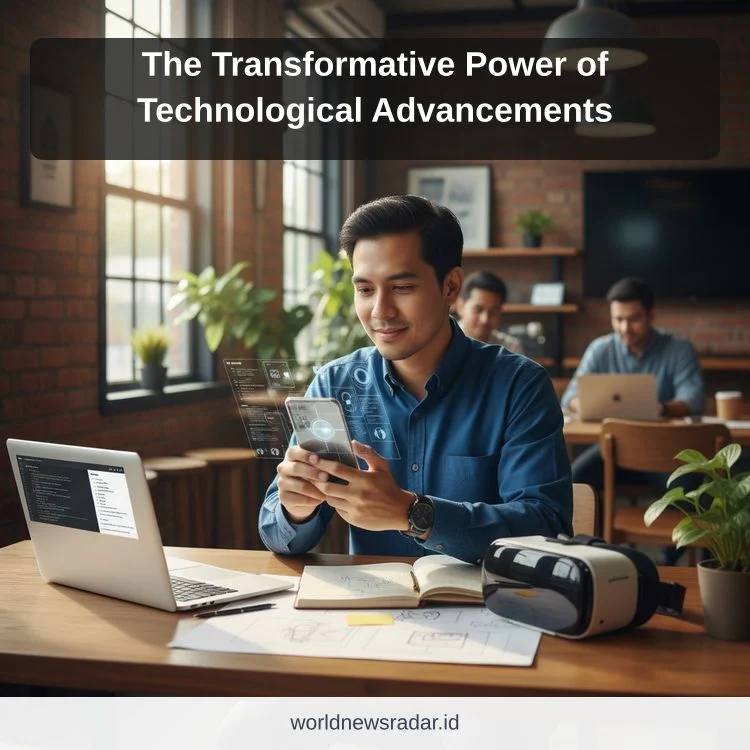




In an era defined by rapid evolution, few forces have shaped our collective destiny as profoundly as technological advancements. From the earliest rudimentary tools to the sophisticated algorithms powering our modern world, innovation has consistently pushed the boundaries of what’s possible, redefining societal structures, economic landscapes, and even our most fundamental understanding of human potential. Today, we stand at the precipice of an unprecedented digital revolution, where breakthroughs in artificial intelligence, biotechnology, quantum computing, and sustainable energy are reshaping industries, creating new opportunities, and confronting us with complex ethical dilemmas. This article, fitting for a global news platform like WorldNewsRadar.id, delves into the transformative power of these developments. We will explore how these innovations aren’t merely incremental improvements but fundamental shifts that are redefining daily life, influencing geopolitical dynamics, and setting the agenda for future generations. Understanding these changes, much like keeping up with the daily news or a reputable newspaper’s coverage, is crucial for anyone navigating the complexities of the 21st century. As reported by numerous outlets, including what one might read in a BBC News update, the pace shows no sign of slowing, necessitating a deeper dive into their profound implications.


Reshaping Global Politics and Governance
Technological advancements have become an undeniable force in the realm of global politics and governance, profoundly altering how nations interact, how power is wielded, and how citizens engage with their leaders. The internet and social media, in particular, have fundamentally democratized information flow, allowing for rapid dissemination of news and opinions across borders, challenging traditional media gatekeepers, and enabling unprecedented levels of citizen mobilization. We’ve seen this in countless political movements, from the Arab Spring uprisings facilitated by social media coordination to contemporary protests organized and amplified through digital platforms. However, this democratization carries a double-edged sword; the same technologies can be exploited for misinformation campaigns, foreign interference in elections, and the erosion of trust in established institutions. Cybersecurity, once a niche concern, is now a paramount national security issue, with states investing heavily in defending critical infrastructure and confronting state-sponsored hacking. The rise of surveillance technologies, from facial recognition to vast data collection, also presents complex ethical and legal challenges regarding privacy and civil liberties, forcing governments to grapple with regulating these powerful tools while balancing security concerns. The political sphere, much like the economy, is in a constant state of flux due to these innovations, demanding adaptable and forward-thinking policy responses from leaders worldwide.

Transforming the Global Economy and Business Models
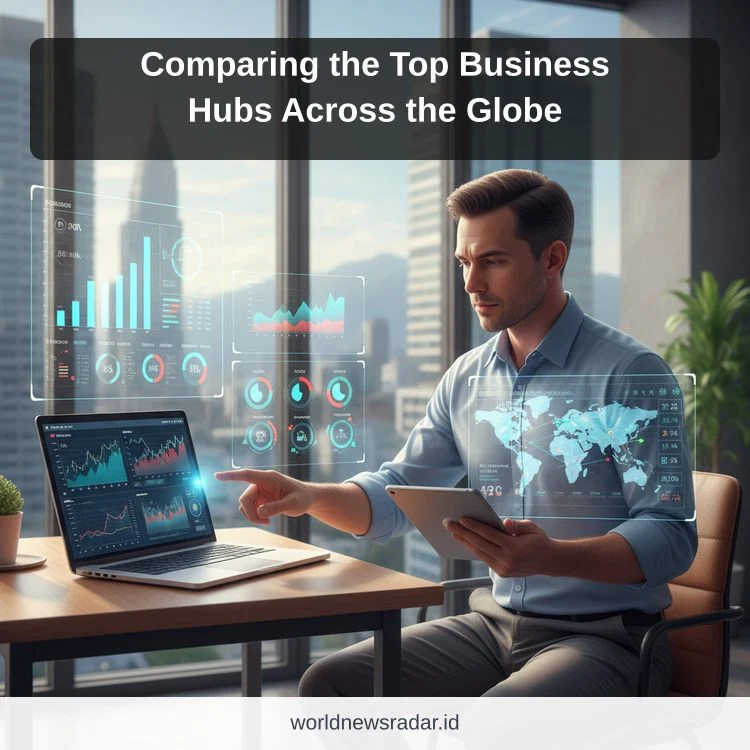
The global economy is undergoing a seismic shift, largely driven by continuous technological advancements that are redefining everything from manufacturing processes to consumer behavior. Automation, powered by robotics and artificial intelligence, is revolutionizing industries, increasing efficiency and productivity but also raising concerns about job displacement and the need for workforce retraining. The gig economy, facilitated by mobile applications and digital platforms, has emerged as a significant economic force, offering flexible work arrangements but also sparking debates about labor rights and worker protections. E-commerce has expanded exponentially, breaking down geographical barriers and creating a truly global marketplace for goods and services, allowing small businesses to reach international customers while simultaneously intensifying competition. The rise of cryptocurrencies and blockchain technology presents a fundamental challenge to traditional financial systems, offering decentralized alternatives for transactions and record-keeping, though their volatility and regulatory status remain subjects of intense scrutiny. Companies that fail to adapt to these technological currents risk obsolescence, while those that embrace innovation often leapfrog competitors. This dynamic environment, ripe with both opportunity and disruption, requires businesses to be agile, constantly innovating, and keen observers of the technological landscape, much like staying updated with the latest world news to understand market trends.

Driving Innovation in Healthcare and Biotechnology
Nowhere is the transformative power of technology more evident than in healthcare and biotechnology, where breakthroughs are extending lifespans, improving quality of life, and offering new hope for previously untreatable conditions. Genetic engineering, particularly the advent of CRISPR-Cas9 technology, has opened doors to editing DNA with unprecedented precision, offering potential cures for genetic diseases and revolutionizing drug discovery. Personalized medicine, tailored to an individual’s genetic makeup and lifestyle, is becoming a reality, moving away from a one-size-fits-all approach to treatment. Wearable health trackers and remote monitoring devices are empowering individuals to take proactive roles in managing their health, providing real-time data to both patients and providers. Artificial intelligence is being deployed in diagnostics, analyzing medical images with greater accuracy than humans, and assisting in drug development by sifting through vast datasets to identify potential compounds. Telemedicine, particularly critical during global health crises, has proven its capacity to deliver healthcare services remotely, increasing access for underserved populations. Biomedical research, fueled by supercomputing and advanced data analytics, is accelerating at an astonishing pace, promising even more revolutionary treatments in the near future. These advancements are not only scientific triumphs but also redefine ethical boundaries, necessitating careful consideration and public discourse.
Revolutionizing Education and Information Access
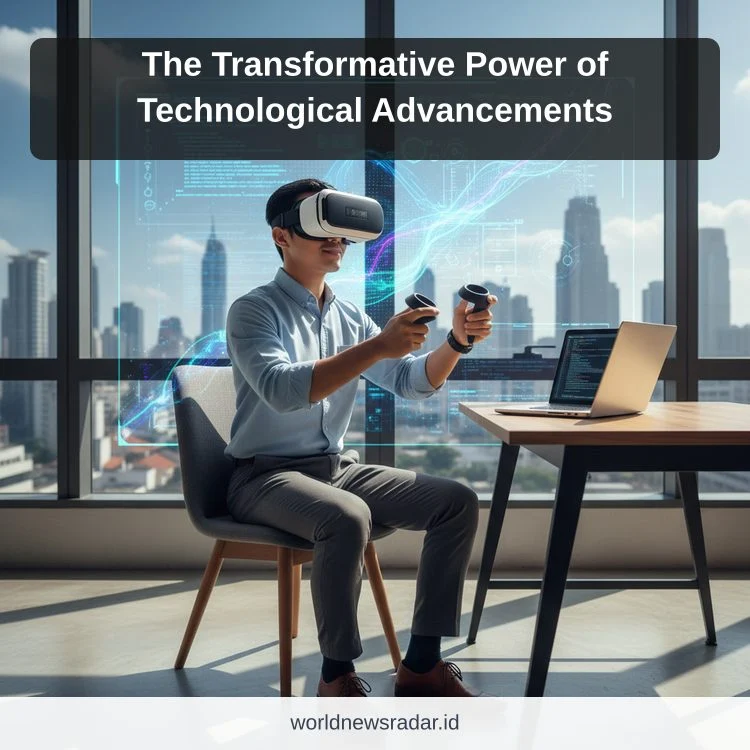
The landscape of education and access to information has been fundamentally reshaped by technological advancements, democratizing learning and breaking down geographical barriers. Online learning platforms, accelerated by the recent global pandemic, have made specialized courses and entire degree programs accessible to anyone with an internet connection, regardless of their location or socio-economic background, mirroring the broad reach of online news. Massive Open Online Courses (MOOCs) from prestigious universities now offer free or low-cost learning opportunities, enabling continuous upskilling and reskilling for a global workforce. Digital libraries and vast online databases have replaced or augmented traditional physical resources, providing instant access to an unparalleled amount of information, from scientific papers to historical archives. Augmented Reality (AR) and Virtual Reality (VR) are beginning to transform classroom experiences, offering immersive simulations that bring complex subjects to life, making learning more engaging and effective. Educational technology (EdTech) startups are innovating rapidly, creating personalized learning paths and adaptive assessment tools that cater to individual student needs and learning styles. The challenge lies in bridging the digital divide, ensuring equitable access to these powerful tools for all, and critically evaluating the vast, sometimes overwhelming, amount of information available online to distinguish reliable sources from misinformation. This revolution in education is crucial for preparing future generations for an increasingly complex world.
Enhancing Daily Life and Social Interaction
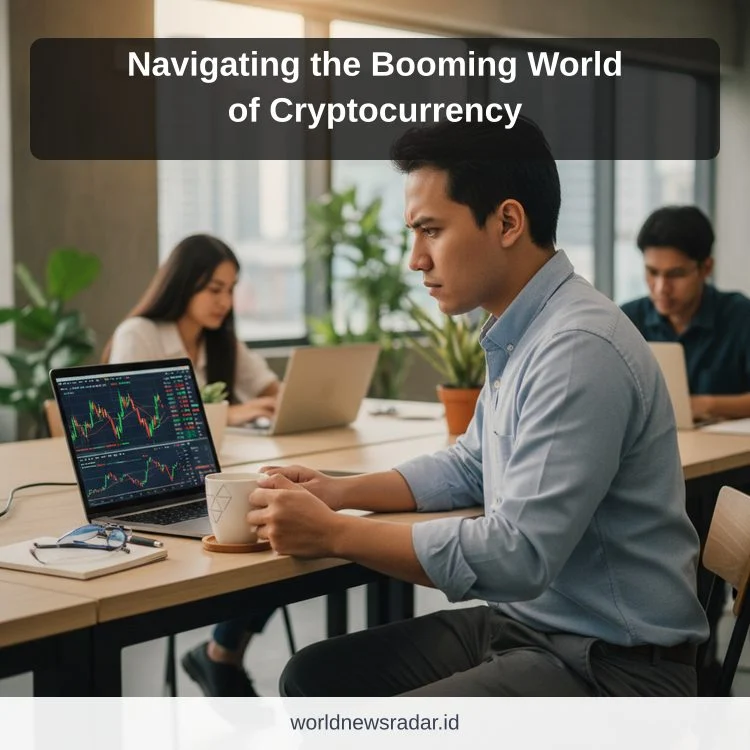
Beyond the grand schemes of politics and economics, technological advancements have profoundly permeated and enhanced our daily lives and social interactions in countless ways, often subtly intertwining with our routines. The smartphone, a ubiquitous device, has transformed from a mere communication tool into a powerful personal assistant, entertainment hub, and access point to an endless array of services. From navigating unfamiliar cities with GPS to ordering groceries, paying bills, and staying connected with loved ones across continents, mobile technology has streamlined everyday tasks and broadened our personal networks. Smart home devices, from voice-activated assistants to intelligent thermostats and security systems, are creating more efficient, comfortable, and secure living environments. Transportation has been revolutionized by ride-sharing apps, electric vehicles, and the promise of autonomous driving, aiming for safer, more efficient, and environmentally friendly travel options. Social media platforms, despite their controversies, have undeniably reshaped how we communicate, share experiences, and maintain relationships, allowing individuals to connect with communities of shared interests globally. These innovations offer unprecedented convenience and connectivity, fundamentally changing how we experience the world, mirroring the way a reliable online newspaper or daily news broadcast delivers immediate insights into current events. While offering immense benefits, it also raises questions about digital well-being, data privacy, and the nature of human connection in an increasingly virtual world.
Ethical Challenges and the Path Forward
As we marvel at the incredible pace and scope of technological advancements, it is imperative to acknowledge and proactively address the substantial ethical challenges they pose. The rapid development of Artificial Intelligence (AI) and machine learning brings forth critical questions regarding bias in algorithms, job displacement, accountability for AI decisions, and the potential for autonomous weapons systems. Data privacy and security are paramount concerns, with continuous breaches and misuse of personal information eroding public trust and demanding robust regulatory frameworks. Biotechnology breakthroughs, such as CRISPR gene editing, while offering immense therapeutic potential, also raise profound ethical dilemmas concerning designer babies, human enhancement, and equitable access to advanced medical treatments. The digital divide, which exacerbates existing inequalities by limiting access to technology and its benefits for marginalized communities, needs urgent global attention. Furthermore, the spread of misinformation and disinformation through digital platforms threatens democratic processes and societal cohesion, requiring innovative solutions for media literacy and platform accountability. Addressing these challenges is not merely a technical problem; it requires interdisciplinary collaboration among technologists, ethicists, policymakers, social scientists, and the public. Open dialogue, transparent governance, and a commitment to responsible innovation are essential to harness the positive potential of technology while mitigating its risks. Much like responsible journalism at WorldNewsRadar.id, navigating these complexities requires careful thought and a commitment to societal well-being.
Kesimpulan
The transformative power of technological advancements is an inescapable truth of our modern world, profoundly influencing every facet of life from global politics and the economy to personal wellness and social interaction. We’ve explored how innovations in AI, biotechnology, and digital platforms are reshaping industries, revolutionizing healthcare, democratizing education, and even redefining how we experience daily life. These developments, much like the constant flow of daily news from a trusted newspaper or an online news source such as WorldNewsRadar.id, demand our continuous attention and critical engagement. While the benefits in terms of efficiency, connectivity, and human capability are immense, we must simultaneously confront the complex ethical dilemmas they present, from privacy concerns to algorithmic bias and the digital divide. The future calls for a proactive and balanced approach, ensuring that technological progress serves humanity’s best interests. It is imperative that individuals, businesses, and governments collaborate to foster responsible innovation, develop ethical guidelines, and implement inclusive policies that ensure equitable access to and benefits from these powerful tools. Stay informed, engage in the conversation, and contribute to shaping a future where technology truly empowers all. For continuous updates on these fast-evolving topics and other critical world news, consider WorldNewsRadar.id your go-to source, much like consulting a reliable outlet such as BBC News for comprehensive global coverage.