





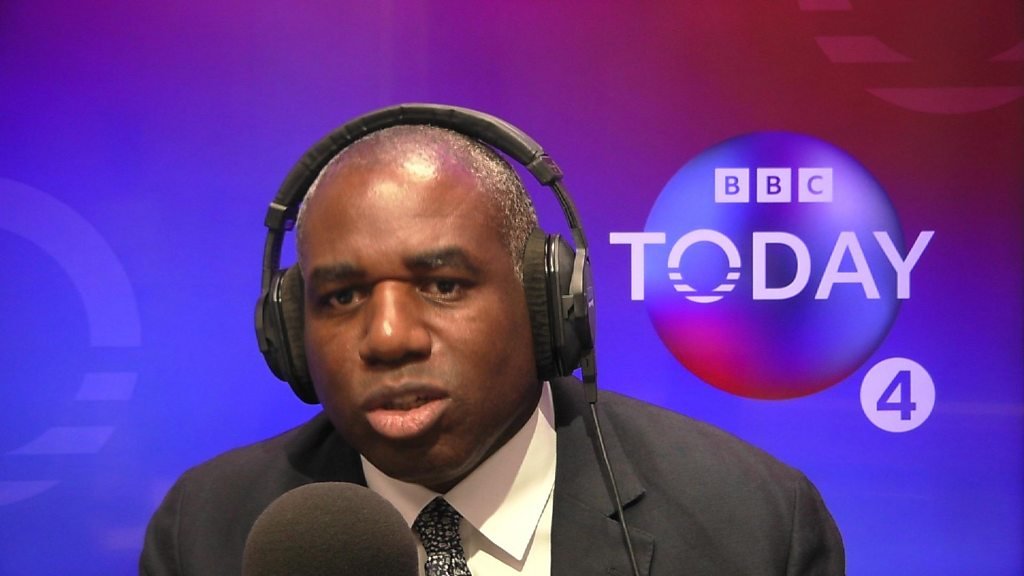


As hostilities between Iran and Israel continue to intensify, UK Foreign Secretary David Lammy has reaffirmed Britain’s commitment to defending its national interests in the Middle East. Speaking to Members of Parliament, Lammy confirmed that the UK has raised its regional “force protection” to the highest level, signaling a heightened state of alert due to Iran’s threats to retaliate for U.S. strikes on its nuclear facilities.

While stressing that the United Kingdom had no role in the U.S. airstrikes, Lammy also made it clear that Iran must not be allowed to develop nuclear weapons. He urged Iran to engage in immediate negotiations with the United States, describing the current situation as a significant threat to global stability.
I. UK’s Strategic Military Posture in the Middle East
1. Precautionary Measures and Military Deployment
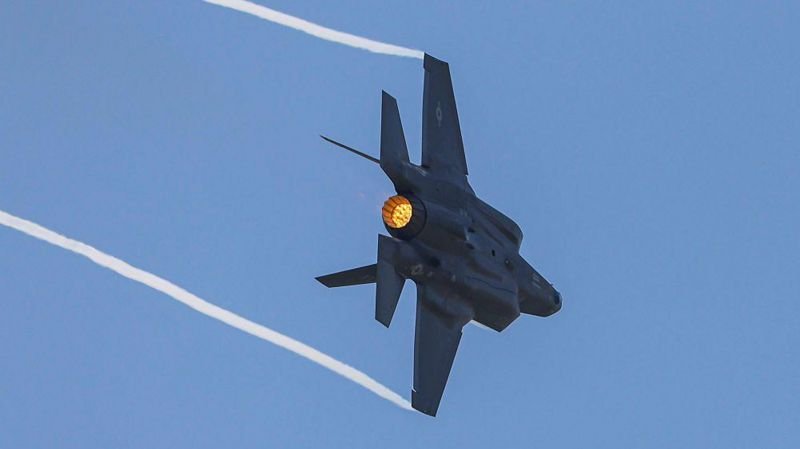
In response to the escalating conflict, the UK has dispatched additional military assets, including Typhoon jets and air-to-air refueling aircraft, to the Middle East. These deployments are intended to offer contingency support across the region and safeguard British personnel and allies. “Be in no doubt, we are prepared to defend our personnel, our assets, and those of our allies and partners,” Lammy stated firmly in the House of Commons.
This comes amid growing concerns over Iranian retaliation, especially after Tehran vowed to respond to the recent U.S. attacks on its nuclear infrastructure.
2. Evacuation and Safety of British Nationals
Lammy also revealed that the Royal Air Force had successfully evacuated 63 British citizens from Tel Aviv to Cyprus, where they are now en route to the UK. More evacuation flights are expected in the coming days.
One British national was confirmed injured during Iranian missile attacks on Israeli territory. Meanwhile, UK authorities have instructed citizens in Qatar to shelter in place, following similar guidance issued by the U.S. government.
According to reports from the BBC, there is a “credible threat” to the U.S.-led Coalition Air Operations Centre located at Al-Udaid Air Base in Qatar, further elevating the risk level for British and allied personnel in the region.
II. Navigating a Complex International Landscape
1. A Measured Stance on U.S. Strikes
While Foreign Secretary Lammy acknowledged the gravity of Iran’s nuclear ambitions, he stopped short of endorsing the legality of the U.S. strikes. Instead, he described the matter as one for the Trump administration to address.
Lammy reiterated, however, that “the strikes cannot destroy the knowledge Iran has acquired over several decades, nor any regime ambition to deploy that knowledge to build a nuclear weapon.”
This nuanced position reflects the UK’s ongoing challenge of maintaining diplomatic ties with both the U.S. and European allies, while also upholding international law and de-escalation principles.
2. Diplomatic Push Over Military Action
Rather than rallying behind military intervention, the UK government has centered its efforts on diplomatic solutions. Lammy warned that further retaliatory actions from Iran, such as targeting U.S. bases or blockading the Strait of Hormuz, would be a “catastrophic mistake.”
The Strait of Hormuz is one of the world’s most vital maritime shipping routes, particularly for oil. Any disruption could significantly impact global energy markets and escalate the conflict into a regional or even global crisis.
III. Political Reactions Within the UK
The Labour government has been criticized for its ambiguous stance on the American and Israeli strikes. Shadow Foreign Secretary Priti Patel accused the government of “trying to hide and obfuscate” its position, demanding clarity for the British public. “The British public deserve to know if their government supports degrading the threat of Iran to us and our allies, or whether it is all too happy to sit on the moral fence,” Patel asserted.
Conversely, Liberal Democrat foreign affairs spokesperson Calum Miller criticized the military strikes by the U.S. and Israel, describing them as part of a “might is right” strategy that could lead to a full-scale war and undermine the international rules-based order.
These divergent views highlight the internal challenges the UK faces as it attempts to balance diplomacy, defense, and global credibility.
IV. Global Implications and Strategic Outlook
1. The Bigger Picture: Regional Stability at Risk
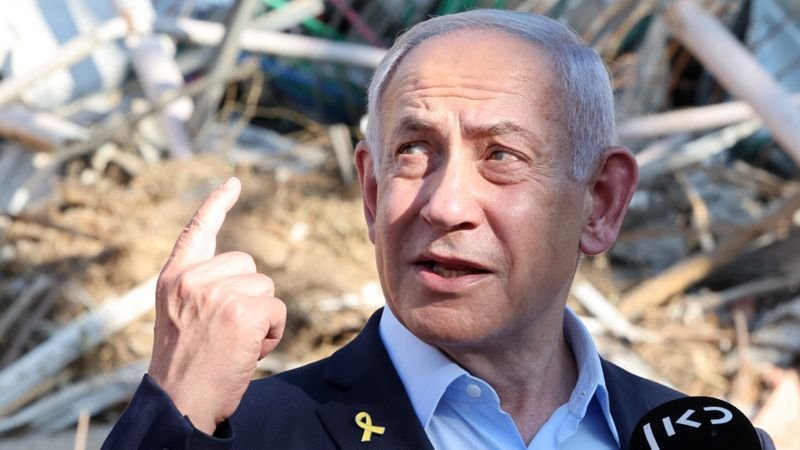
President Donald Trump announced that the U.S. airstrikes had “totally obliterated” three Iranian nuclear facilities. However, Lammy emphasized that the true effectiveness of these strikes remains unclear, especially given Iran’s extensive knowledge and experience in nuclear development.
Iran has repeatedly denied seeking nuclear weapons, asserting that its nuclear program is for peaceful purposes only. Nevertheless, international skepticism persists, fueled by intelligence assessments and Iran’s refusal to comply fully with international inspections.
2. The Risk of Broader Conflict
There is a growing concern among analysts and foreign policy experts that the Iran-Israel tensions could spill over into a larger regional war, especially if the ceasefire agreements fail or if Iran follows through on its threats.
The presence of foreign military forces, including the UK, the U.S., and NATO allies, adds further complexity. Any attack on coalition bases or international personnel could rapidly escalate the situation, drawing more countries into a direct confrontation.
Conclusion: The Road Ahead for the UK in a Volatile Middle East
David Lammy’s recent statements underscore the United Kingdom’s delicate position in a rapidly deteriorating Middle East security environment. While the UK government has expressed its readiness to protect national and allied interests, it has also consistently called for restraint, diplomacy, and a return to negotiations.
By neither fully endorsing nor condemning the U.S. strikes, the UK aims to preserve its diplomatic leverage while avoiding entanglement in a potential regional war. However, this balancing act may prove increasingly difficult as pressures mount from both domestic critics and international allies.
In the coming days, the global community will watch closely to see whether Iran chooses negotiation over retaliation — and whether the UK can maintain its role as a stabilizing force in an increasingly unstable region.








