




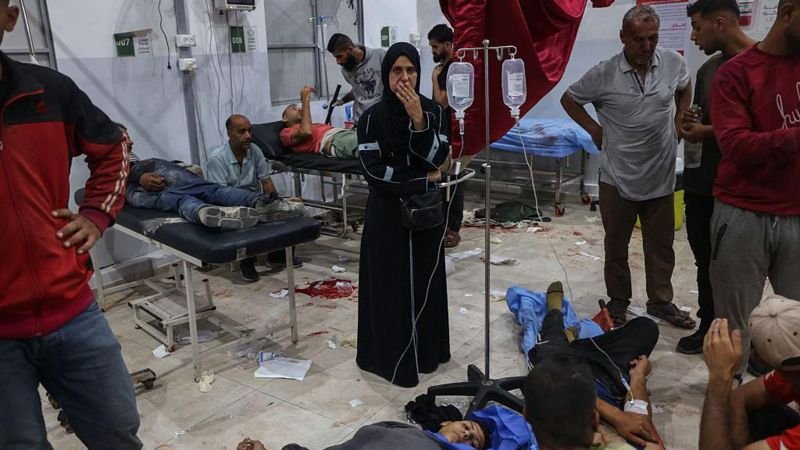


At least 46 Palestinians were shot dead by Israeli forces while waiting for aid in two separate incidents in Gaza, according to hospital and rescue reports. UN agencies have denounced the U.S.–Israel-backed Gaza Humanitarian Foundation (GHF) distribution system, calling it “a death trap” and “an abomination.” Despite Gaza’s escalating humanitarian crisis and near-daily deadly incidents at aid sites, global media attention has shifted following recent developments in Iran.
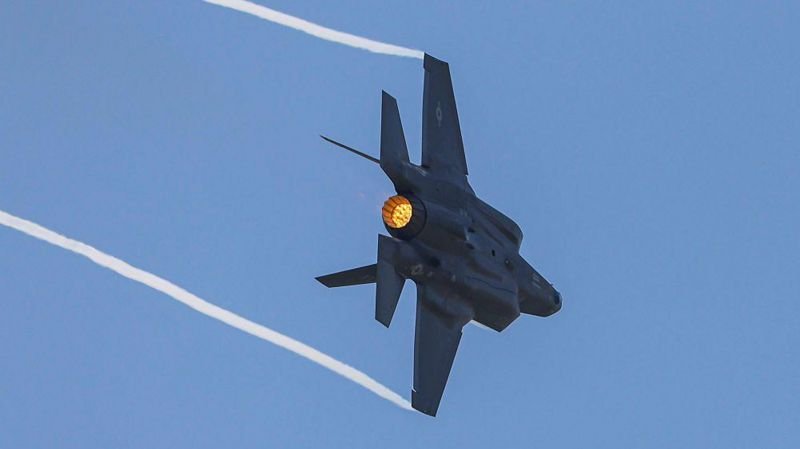

I. Aid Sites Turned Death Zones
1. Split-Site Killings in Central and Southern Gaza
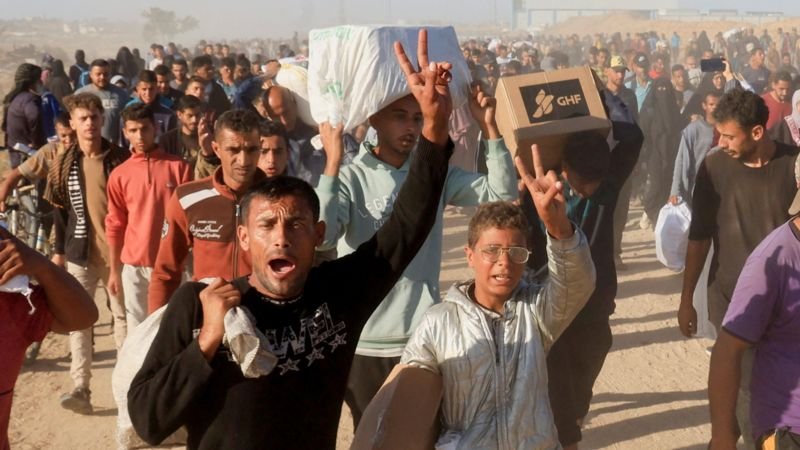
On Tuesday, chaos unfolded at two GHF-run aid points—in a central military zone near the Netzarim corridor and another near Rafah in southern Gaza—when Israeli forces opened fire on crowds waiting for food:
- In Nuseirat’s al-Awda hospital, rescuers reported 21 dead and 150 wounded, with shots fired into a crowd gathering near an IDF-operational zone.
- Additional 25 casualties were reported near a GHF site north of Rafah, where Israeli tanks allegedly advanced before opening fire at dawn.
Families described scenes of panic and bloodshed, and hospital staff lamented how wounded filled every bed and corridors. One mother questioned, “Why are our children’s lives seen as so cheap?”.
2. Conflicting Narratives
The IDF stated that gatherings occurred adjacent to operational troop zones in the Netzarim corridor and that detailed reports are still under review. They also denied knowledge of the Rafah incident, asserting there were no records of shootings at that site. Meanwhile, the GHF denied any incidents near its locations, describing the allegations as false.
II. A Death Toll on the Rise
1. Human Cost Unmasked
According to the UN human rights office, more than 410 Palestinians have been killed by Israeli gunfire or shelling while seeking aid since late May. Recent reports bring the toll near 500, with widespread injuries.
In Gaza City’s al-Awda Hospital, overwhelmed staff treated dozens of gunshot victims—some of them blood-soaked children and elderly victims lying lifeless—including an older man whose grieving wife cradled him in shock.
2. Background: GHF Operations
Launched in February 2025, the Gaza Humanitarian Foundation is an American NGO operating under U.S. and Israeli sponsorship. Despite distributing approximately 41 million meals, it has faced rejection from mainstream aid groups and the UN over concerns that its militarized methods violate humanitarian neutrality.
III. UN Fury & Legal Alarm Bells
UN officials vehemently condemned the system:
- Thameen al‑Kheetan, spokesperson for the UN human rights office, called it a “militarised humanitarian assistance” model conflicting with international law and warned the weaponization of food may constitute a war crime.
- Philippe Lazzarini, head of UNRWA, decried the GHF system as “an abomination … a death trap costing more lives than it saves”.
Fifteen human rights organizations—including TRIAL International and the Center for Constitutional Rights—warned GHF of possible war crime liability due to its militarized framework and coordination with Israeli authorities.
IV. Humanitarian Breakdown
1. Aid in a Combat Zone
Aid distribution now hinges on heavily guarded GHF hubs, encircled by IDF soldiers and secured by private contractors. These sites lie within declared Israeli military zones. Many Palestinians, like a father in Gaza City, refuse to approach them, calling them “death zones”—“I am afraid… I would return carried in one”.
2. Famine Looms
While World Central Kitchen recently resumed supply deliveries after a 12-week delay, authorities say the volume falls drastically short of need. Gaza remains on the threshold of famine as two million Palestinians—half of them children—struggle under blockade and bombardment.
V. Why This Matters
1. Erosion of Aid Neutrality
Humanitarian distribution frameworks must adhere to neutrality, independence, and impartiality. The GHF’s militarized approach—with military oversight and private security—compromises these principles, morphing aid into a strategic tool .
2. Risk of Escalating Conflict
Targeting civilians seeking essential nourishment inflames anger and despair, undermining any prospects for reconciliation or stability. It also contradicts international law, which prohibits using starvation as a method of warfare .
3. Global Accountability
A UN legal review could lead to war crime investigations. With mounting evidence, global courts may soon hold responsible parties accountable, pressuring Israel and its backers to revise their policies.
Conclusion: Aid or Ambush?
The tragic deaths of at least 46 Palestinians at GHF aid points are not isolated events—they expose a systemic failure. When food distribution mechanisms become deadly, something fundamental is broken. Humanitarian relief should be a beacon of hope, not a battlefield.
UN agencies, rights groups, and the international community must insist on transparent, impartial aid. Militarized distribution must be dismantled, and fully independent, UN-led systems reinstated. Without this, Gaza’s humanitarian emergency—already teetering on famine—will deepen further, and the lives lost in “death traps” will multiply.
The world must choose: uphold humanitarian law and protect civilians—or stand silent as aid becomes another weapon in war.