Bridging Cultures: The Evolving Landscape of Social Interactions – Your Daily Dose of World News
In an increasingly interconnected world, understanding the intricate dance of social interactions across diverse cultures is not merely an academic exercise; it’s a fundamental necessity. From the subtle nuances of non-verbal communication to the overt expressions of societal values, cultural differences profoundly shape how individuals connect, collaborate, and often, clash. As the digital age shrinks geographical distances and global events dominate the headlines, our ability to navigate these cultural chasm becomes paramount. This article, brought to you by WorldNewsRadar.id, delves into the fascinating and often complex realm of cultural bridging, exploring the challenges and opportunities presented by our ever-evolving social landscape. We will examine how technology, globalization, and shifting demographics are reshaping our interactions, and offer insights into fostering more effective cross-cultural communication, ensuring you stay informed with the latest world news and analysis, much like what you’d find in a comprehensive newspaper or from trusted sources like BBC News. Prepare to embark on a journey that deciphers the unspoken rules and celebrates the richness of human connection across borders.


The Digital Melting Pot: Technology’s Impact on Cross-Cultural Communication
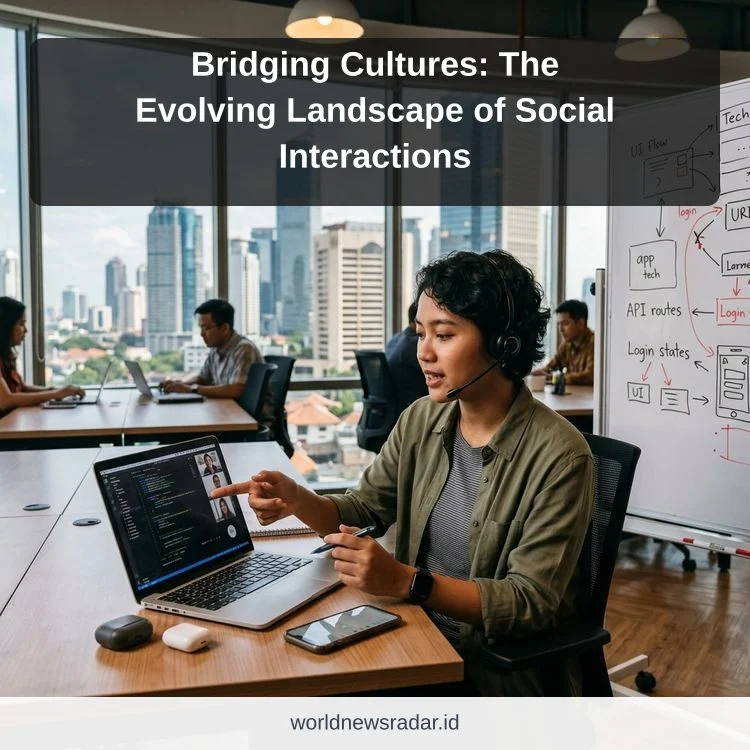
The advent of the internet and social media platforms has undeniably revolutionized how people from different cultural backgrounds interact. No longer are connections solely confined to physical proximity or the limited reach of traditional media. Platforms like Facebook, Twitter, Instagram, and LinkedIn have created a digital melting pot where individuals from every corner of the globe can engage in real-time conversations, share experiences, and even collaborate on projects. This immediate and constant exposure to diverse perspectives, as often highlighted in major world news outlets, has both its triumphs and its tribulations. On one hand, it fosters empathy and understanding, allowing individuals to learn directly from those with different life experiences. On the other hand, the absence of non-verbal cues in online communication can easily lead to misunderstandings, misinterpretations, and even conflict, especially when cultural norms regarding directness, humor, or even emoji usage differ significantly. For instance, a seemingly harmless joke in one culture might be considered deeply offensive in another, leading to unforeseen rifts that might even become subjects of daily news reports.

Globalization and the Blending of Social Norms
Globalization, driven by economic interdependence, increased travel, and the pervasive spread of information, has profoundly influenced social interactions and the blending of cultural norms. As businesses expand internationally and individuals migrate for work or education, the boundaries between distinct cultural practices become increasingly permeable. This process isn’t necessarily about one culture dominating another, but rather a dynamic exchange where elements from different societies are adopted, adapted, and integrated. Consider the global phenomenon of K-Pop, which originated in South Korea but has garnered a massive following worldwide, influencing fashion, youth culture, and even language. This widespread adoption necessitates a deeper understanding of the cultural contexts that produce such movements. However, this blending can also create tension, as traditional values encounter modern influences. For organizations operating globally, understanding these evolving norms is crucial for effective communication and successful partnerships. The daily news often reports on the successes and challenges faced by companies navigating these complex cultural landscapes, demonstrating that cultural fluency is now a business imperative, as much as it is a social one. Successful examples include multinational corporations that invest heavily in cross-cultural training for their employees, ensuring smooth collaborations across diverse teams, as often recommended in top business and world news publications.
Challenges in Bridging Cultures: Miscommunication and Stereotypes
Despite increased global interaction, several significant challenges persist in effectively bridging cultures. Miscommunication remains a primary hurdle, often stemming from differing communication styles. High-context cultures, for instance, rely heavily on implicit messages, shared understanding, and non-verbal cues, making direct verbal communication less explicit. Conversely, low-context cultures prioritize clear, direct verbal expressions, leaving little room for interpretation. When individuals from these differing contexts interact, misunderstandings are almost inevitable. An implicit “no” from a high-context individual might be entirely missed by someone from a low-context background, who expects a direct refusal. Furthermore, pervasive stereotypes continue to color perceptions and hinder genuine cross-cultural understanding. These generalizations, often amplified by sensationalized media and a lack of exposure to diverse individuals, can lead to biased judgments and prevent authentic connections. Overcoming these deeply ingrained stereotypes requires conscious effort, critical thinking, and a willingness to engage with individuals as unique beings rather than representatives of a particular group. Organizations striving for inclusivity often implement training programs designed to dismantle these biases, recognizing that a diverse workforce thrives on mutual respect and understanding – a topic frequently discussed in daily news analyses of corporate development.
Strategies for Effective Cross-Cultural Communication
To navigate the complexities of bridging cultures successfully, individuals and organizations must adopt proactive strategies for effective cross-cultural communication. One fundamental approach is developing cultural intelligence (CQ), which encompasses the ability to understand and adapt to different cultural contexts. This involves cognitive elements (knowing about other cultures), motivational elements (having the drive to learn and interact), and behavioral elements (being able to modify one’s behavior appropriately). Active listening is another critical strategy; it requires not just hearing words but also paying attention to tone, body language, and the underlying cultural context that might shape the message. Furthermore, practicing empathy – putting oneself in another person’s shoes to understand their perspective – is invaluable. For professionals engaging with international counterparts, taking the time to research and understand their cultural norms before interactions can prevent faux pas and build rapport. Simple gestures, like understanding appropriate greetings, gift-giving protocols, or even dietary restrictions, can significantly impact the success of an interaction. Many international organizations, as covered in various world news reports, mandate such training, understanding that a small oversight can have significant business implications, and that culturally competent employees are essential assets in today’s globalized workforce. Learning common phrases in a counterpart’s language, even just greetings, can also signal respect and open doors for smoother communication, a practice often highlighted in discussions about effective global diplomacy and communication, sometimes even featured on BBC News as a soft power tool.
Fostering Inclusivity in a Diverse World: Practical Tips and Case Studies
Fostering inclusivity in an increasingly diverse world goes beyond mere tolerance; it demands active engagement and a commitment to creating environments where all individuals feel valued and heard. Practical tips for achieving this include promoting open dialogue and encouraging difficult conversations about cultural differences, rather than avoiding them. For instance, in a corporate setting, companies like Google have invested heavily in diversity and inclusion initiatives, developing employee resource groups (ERGs) that provide support networks and a platform for cultural exchange among employees from various backgrounds. These initiatives often involve cultural exchange programs, diversity training workshops, and mentorship schemes that pair individuals from different cultural groups. Another powerful strategy involves celebrating cultural diversity through events, food, and shared stories, which helps to humanize differences and build bridges. Consider the success of various international film festivals or cultural awareness weeks held in many cities globally, which showcase the richness of different traditions and bring communities together. From a personal perspective, seeking out opportunities to interact with people from diverse backgrounds, whether through travel, volunteering, or community events, can significantly broaden one’s perspective and build cultural competence. These experiences combat stereotypes and foster genuine connections, contributing to a more harmonious and understanding global society, a vision often championed by daily news commentators and international organizations.
Conclusion
The journey of bridging cultures is an ongoing and dynamic process, vital for navigating our complexly interwoven world. As we’ve explored, the evolution of social interactions, driven by technology and globalization, presents both unprecedented opportunities for connection and persistent challenges in understanding. From the digital melting pot to the subtle art of non-verbal communication, every interaction is a chance to learn and grow. By embracing strategies for effective cross-cultural communication, developing cultural intelligence, and actively fostering inclusivity, individuals and societies can build stronger, more empathetic relationships. WorldNewsRadar.id is committed to bringing you the daily news and insights needed to understand these global shifts. Let us continue to learn from one another, dismantle stereotypes, and celebrate the incredible diversity that defines humanity. The future demands that we not only witness the world’s news but actively participate in shaping a more connected and understanding global community, a goal that should resonate with every reader of a reputable newspaper or listener of BBC News.