





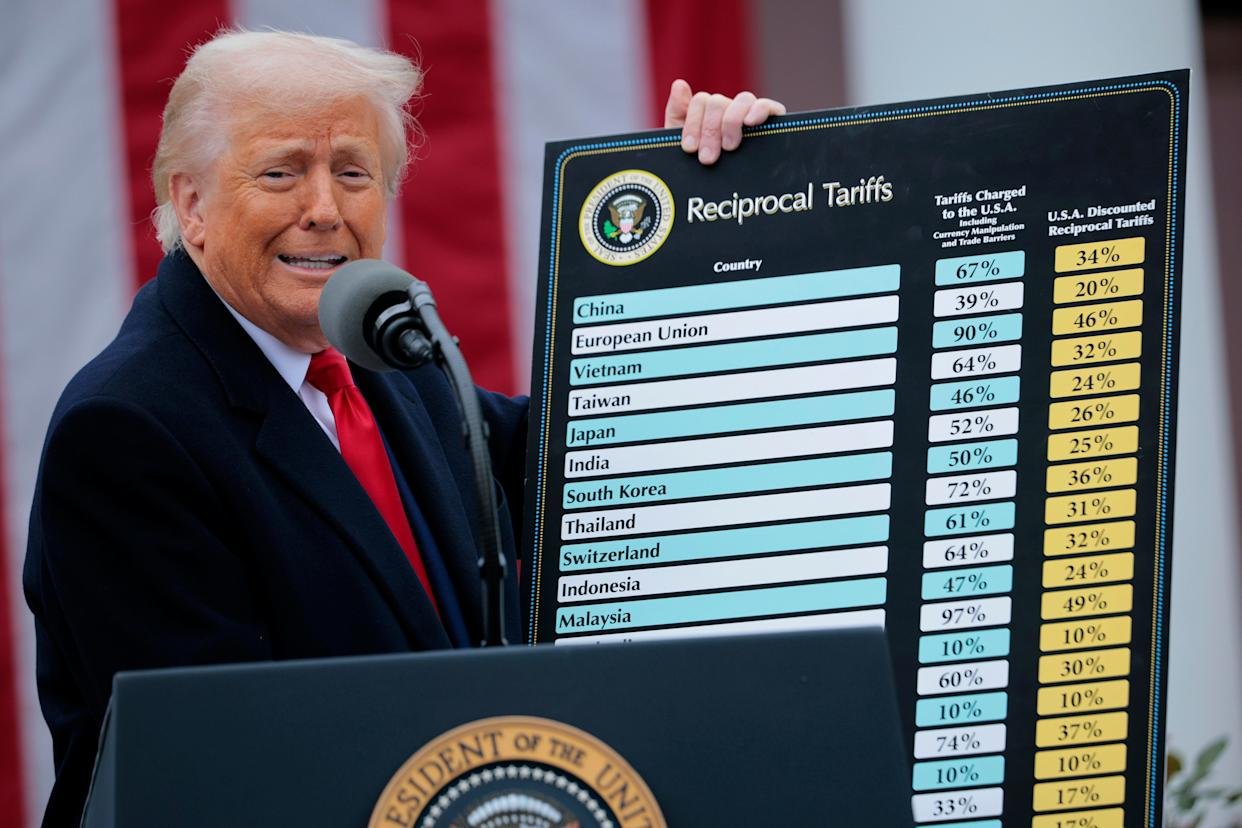
As the 90-day suspension on broad U.S. tariffs approaches its expiration on July 9, uncertainty looms over the global trade landscape. The Trump administration’s efforts to overhaul trade relationships have created anxiety among businesses and consumers alike. Economists caution that the impending tariffs—introduced in early April and dubbed “Liberation Day” by President Trump—could spark fresh inflation, destabilize financial markets, and threaten small enterprises if fully enforced.


I. Tariff Deadline and Global Economic Uncertainty
1. The Risk of Rising Costs and Inflation
President Trump’s April 2 tariff rollout introduced a universal 10% levy on U.S. imports, with the potential for much steeper country-specific duties. If no new agreements are made, tariffs as high as 49% for countries like Cambodia and up to 145% for certain Chinese products could be imposed. These elevated rates could significantly impact the prices of goods and the cost of doing business in the U.S.


2. Limited Time to Finalize Bilateral Deals
The administration has celebrated new trade arrangements with countries such as China, the U.K., and Vietnam, but many agreements remain in negotiation or undisclosed. Trump recently stated that countries would be informed soon about the tariffs their exports will face, signaling that extensions are unlikely and that many nations may be left without finalized deals by the July 9 cutoff.

II. Potential Trade Deal Outcomes
1. Three Categories of Trade Partners
Trade attorney Patrick Childress anticipates U.S. trading partners will fall into three groups after the deadline. The first will include countries that reach deals before July 9, such as Vietnam, which agreed to a 20% tariff on direct imports and 40% on transshipped goods, in exchange for tariff-free access to American goods. The U.K. also secured a framework deal promising reduced non-tariff barriers and broader U.S. market access.
2. Ongoing Talks Under Default Tariffs
A second group is expected to remain under the current 10% blanket tariff as trade discussions continue. These countries may avoid immediate hikes but still face uncertain trade conditions until agreements are finalized.

3. Nations Facing Maximum Tariffs
The third group will be those seen as uncooperative or slow to negotiate. These countries may face steep tariffs at 12:01 a.m. on July 9. Childress notes that it’s still unclear which nations will land in each category, contributing to the overall unpredictability of the situation.
III. Market Impact and Legal Complications
1. Investor Caution Amid Uncertainty
Experts like Clark Packard of the Cato Institute argue that the looming threat of higher tariffs deters long-term business planning. Uncertainty about future costs leads companies to delay investments, ultimately stifling economic growth and eroding business confidence.
2. Possible Extensions for Some Nations
Although Trump has downplayed the importance of extending the pause, Packard suggests that countries deemed cooperative may still receive additional time. Conversely, those viewed as defiant could face immediate penalty tariffs.
3. Legal Challenges to Tariff Legitimacy
Adding to the complexity, a May ruling by the U.S. Court of International Trade found that many of Trump’s tariffs were unlawful. While the decision has been temporarily blocked by a federal appeals court, a final verdict could undermine large parts of the administration’s trade policy agenda.
IV. Global Repercussions and Retaliation Risks
1. Trade Wars and Escalation
If no further deals are made, countries like those in the European Union—key trading partners for the U.S.—may respond with retaliatory tariffs. Trump has threatened to impose a flat 50% tariff on EU exports, which analysts say could ignite a full-scale trade war and shake global markets.
2. Unpredictability and Strategic Delays
According to investment firm Capital Economics, the likely outcome is a mixture of limited deals and further extensions that allow the administration to save face while maintaining pressure. Despite Trump’s insistence that extending the pause would be “no big deal,” his unpredictable approach makes it possible that some countries will be hit with full tariffs starting next week.
3. Global Resistance to U.S. Demands
Several nations, particularly in the EU, are unlikely to succumb to U.S. pressure. The 27 EU member states represent a significant portion of American exports and have considerable leverage in negotiations. Their resistance could further complicate Trump’s strategy and limit the effectiveness of unilateral trade moves.
Conclusion
As the July 9 deadline approaches, the fate of U.S. tariffs remains unclear, casting a shadow over international commerce. While a few countries have struck deals, most are still negotiating or waiting for clarity. With legal rulings pending and retaliatory threats on the horizon, the global trade community braces for a turbulent shift. The choices made in the coming days will shape economic policy, international relations, and market confidence for months to come.








